
Vandaag of morgen in huis

Kwaliteit gegarandeerd

Welkomstaanbiedingen ontgrendelen: GRATIS bezorging | Tot 80% korting | Gratis 30 dagen JoyPlus-proefperiode
Download de app
When you shop for shampoo online, you’ll quickly come across terms such as “repairing”, “intensely hydrating”, “salon quality” and “for stronger hair”. These descriptions sound appealing, but they don’t always tell you enough about the formula, ingredients or how to use it. The right choice depends mainly on your hair type, scalp and daily routine.
A shampoo may be described as being for dry, damaged or brittle hair. That doesn’t mean every user will get the same results. Claims such as “less hair breakage” or “more volume” are often based on brand research, a consumer survey or use in combination with a conditioner.
For example, according to Olaplex product information, the claim about visibly fuller hair after one wash is based on a consumer study involving 75 participants. Treat this as context, not a guarantee. Shampoo is also no substitute for medical advice if you’re experiencing hair loss, itching or a persistently flaky scalp.
A sulphate-free shampoo doesn’t contain cleansers such as sodium laureth sulfate or sodium lauryl sulfate. This may be worth considering if you have dry, coloured or sensitive hair, but sulphates aren’t automatically unsuitable. They generally cleanse more thoroughly and can be useful if you use lots of styling products or have a scalp that gets greasy quickly.
So always check the current packaging. Ingredients lists can change. A product described as nourishing may also contain fragrance, silicones or certain preservatives.
A 400 ml bottle isn’t automatically better value than a 250 ml one. Check:
As a result, a shampoo for daily use may work out differently in practice from an intensive formula that you use less often.
Start by choosing your main priority. For shampoo for dry and damaged hair, hydrating and conditioning ingredients are often worth looking for. A repairing shampoo may be described as targeting brittle lengths, heat damage or damage caused by chemical treatments.
For curls, it’s important to choose a formula that doesn’t weigh your hair down unnecessarily. According to the product information, Dancoly Rose Elastic Curl, a shampoo for curly hair, contains glycerine, rose extract and hydrolysed wheat protein, among other ingredients. Check that the rest of your routine, including your conditioner and styling product, suits your curl pattern too.
For fine or limp hair, a volumising shampoo may be more suitable than a rich oil-based formula. According to the product description, Olaplex No.4 Fine is designed for fine hair and has a lightweight cleansing base. The brand refers to a consumer-based claim; results may vary from person to person.
The first ingredients on the list usually make up a large part of the formula. Common cleansers include:
A greasy scalp may benefit from thorough cleansing, while dry hair may feel better with a less oil-stripping formula. There’s no one-size-fits-all choice for every hair type.
Look for claims that can be checked, such as vegan, paraben-free, silicone-free, pH-neutral or sulphate-free. Always check whether the claim is confirmed in the product specifications or on the packaging.
According to the product information, a vegan shampoo contains no animal-derived ingredients, but that alone doesn’t tell you whether it’s suitable for dry or sensitive hair. “Professional shampoo” often refers to its positioning, contents and how it fits into a haircare routine, rather than guaranteeing a particular result.
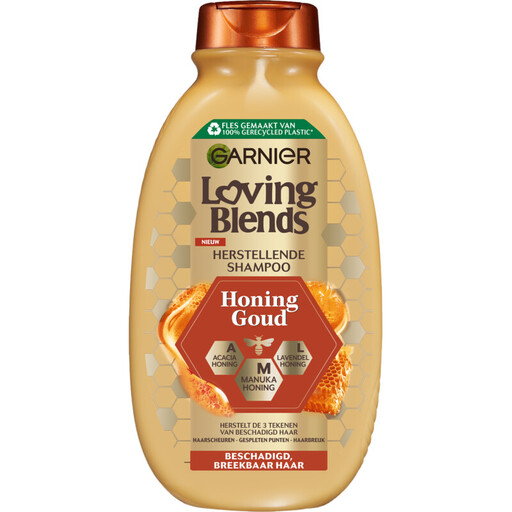
Why it suits this profile: An accessible choice for adults looking for shampoo for dry and damaged hair without committing to a large multipack. According to the product specifications, the bottle contains 300 ml.
The product page lists the full ingredients, including cleansers, glycerine, honey and beeswax. This lets you check the formula rather than relying on the word “repairing”.
According to the product specifications, it’s vegan and paraben-free, and comes in a bottle made from recycled and recyclable materials. Check the current packaging for the latest information.
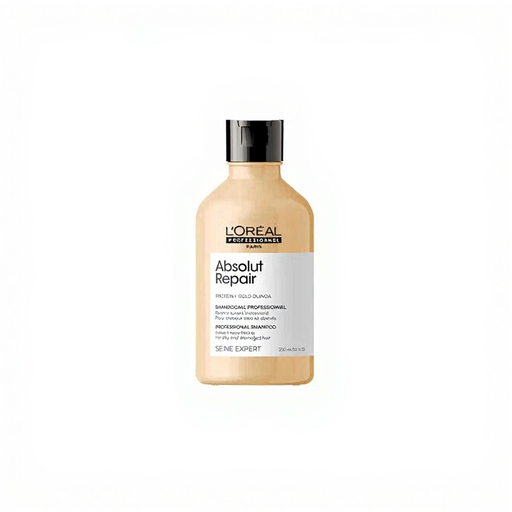
Why it suits this profile: Designed for people looking for a professional shampoo for dry or damaged hair who value clear product positioning.
The product details state clearly that the shampoo is not sulphate-free or paraben-free. This makes it easier to make an informed choice if these features matter to you.
The product description mentions golden quinoa and proteins, a vegan formula and a lightweight texture. You can then use the matching conditioner if you wish, following the instructions.
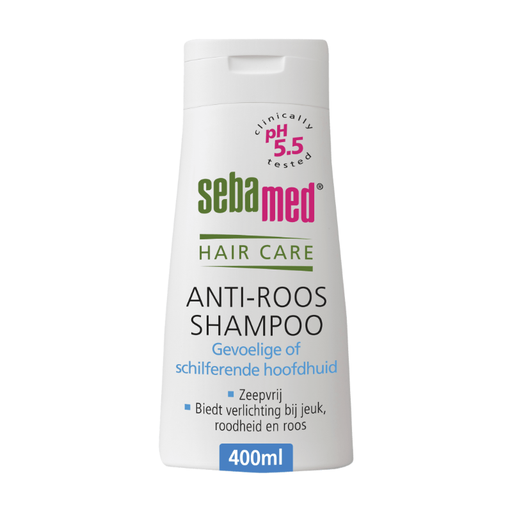
Why it suits this profile: Intended for adults specifically looking for an anti-dandruff shampoo and who prioritise their scalp-care routine over fragrance or extra styling benefits.
The packaging lists the ingredient piroctone olamine and provides clear safety instructions. Stop using it if irritation occurs, and consult a doctor if symptoms persist.
It has a 400 ml capacity and is suitable for use on wet hair, with the option to repeat the wash as instructed. The formula also contains lauryl glucoside and lactic acid, among other ingredients.
We’ve put together a complete, up-to-date list of products that meet these strict selection criteria and comply with current European safety regulations.
Look for a hydrating shampoo with ingredients such as glycerine, plant oils, proteins or conditioning agents. Avoid overly strong cleansing if your hair feels tight or rough after washing. A conditioner for the lengths can complement your routine.
It depends on your scalp, hair length, exercise habits and styling products. A greasy scalp may need more frequent washing; dry or curly hair often needs less. Use a small amount, focus the massage on your scalp and rinse thoroughly.
A shampoo for hair loss may be described by a brand as helping to care for the scalp or hair, but shampoo can’t diagnose or treat a medical cause of hair loss. If your hair loss is sudden or persistent, it’s better to speak to your GP than simply switch to a different bottle.
