
Vandaag of morgen in huis

Kwaliteit gegarandeerd

Welkomstaanbiedingen ontgrendelen: GRATIS bezorging | Tot 80% korting | Gratis 30 dagen JoyPlus-proefperiode
Download de app
Buying shampoo seems simple, until you have to choose between a repairing shampoo, a moisturising formula, an anti-dandruff shampoo, silver shampoo or a sulphate-free shampoo. Marketing terms don’t always make the choice any clearer. A product labelled “repair” or “professional” won’t automatically suit your hair or scalp.
Use this practical guide to focus on what really matters for everyday use: your hair’s needs, the ingredients, the amount in the bottle and the price per millilitre.
Terms such as “repair”, “volume” and “up to 90% less hair breakage” are often based on the brand’s own research or customer reviews. So don’t take these claims as guaranteed results. For example, Syoss links its claim about reduced hair breakage to using the shampoo with its conditioner. Olaplex’s claim about fuller-looking hair is based on a consumer study involving 75 participants, according to the product information.
Look beyond the marketing copy and check details you can verify, such as hair type, quantity, ingredients and directions for use.
A 1,000 ml bottle may seem more expensive than a 250 ml bottle, but it could work out cheaper per wash. On the other hand, a multipack isn’t always a good choice if the formula doesn’t suit your hair. Divide the price by the number of millilitres, and check the shelf life after opening too — for example, 6M or 12M if shown on the packaging.
A product can contain plant-based ingredients and still include fragrance, sulphates or silicones. If you have a sensitive scalp, fragrances or certain preservatives may be worth looking out for. If you’re specifically looking for a sulphate-free shampoo, check the current ingredients list on the packaging. Formulas can change.
Many shampoos contain cleansing agents such as sodium laureth sulfate. That isn’t automatically good or bad: whether it’s suitable depends on your hair, scalp and how often you wash it. A sulphate-free shampoo may be worth considering if you’re looking for a gentler cleanse or caring for coloured hair, but always check the full formula.
Also look out for:
A shampoo multipack is practical for a household with several users, or if you already know the formula suits you. Syoss Repair is available as 6 bottles of 440 ml, making 2,640 ml in total. The Gliss-Kur Ultimate Repair Value Pack contains 6 bottles of 250 ml.
A large pump bottle, such as a professional shampoo in 550 or 1,000 ml, is handy in the bathroom but less convenient to take with you. Also check that the product description and packaging show the same quantity. Some product descriptions may list different sizes; in that case, the packaging is the definitive source.
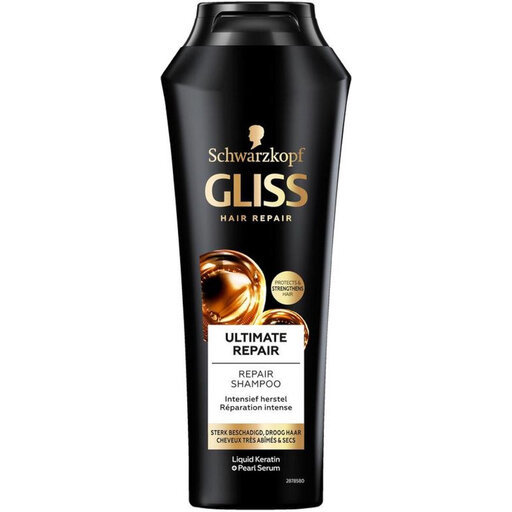
Why it suits this profile: A handy-sized bottle for anyone wanting to try a shampoo for dry and damaged hair without buying a multipack straight away.
The product information states that the bottle contains 250 ml and lists hydrolyzed keratin and hydrolyzed pearl, so you can base your choice on specific details.
250 ml; formula with keratin according to the ingredients list; designed to care for damaged hair.
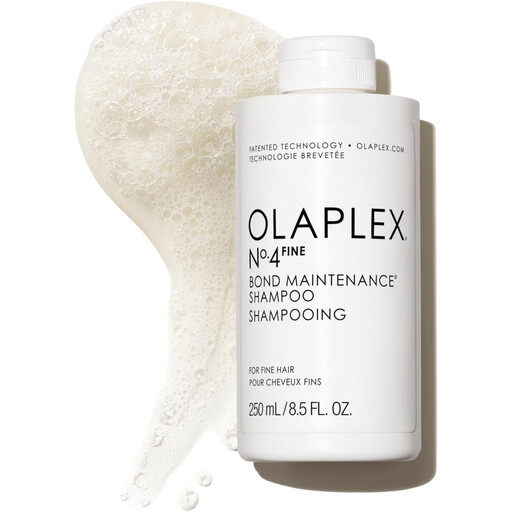
Why it suits this profile: Designed for fine or lifeless hair, and suitable for anyone who wants a lightweight cleanse alongside styling, colouring or salon treatments.
According to the product information, the formula is lightweight and contains cleansing agents such as sodium cocoyl alaninate and coco-glucoside, rather than relying on a vague promise of volume.
250 ml; designed for fine hair; product information states that it is safe for coloured hair.
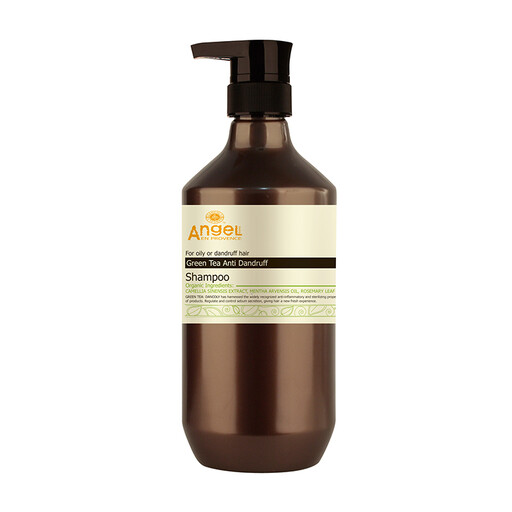
Why it suits this profile: A generous-sized bottle for adults specifically looking for an anti-dandruff shampoo and wanting to tailor how often they use it to their scalp’s needs.
The product description gives a specific quantity of 800 ml, states who it is for and recommends using it two to three times a week. Its effectiveness is not presented here as a guaranteed result.
800 ml; green tea extract and menthol according to the product information; contains zinc pyrithione according to the listed ingredients.
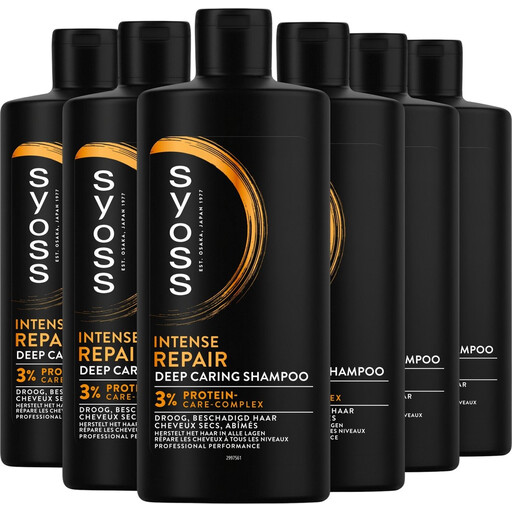
Why it suits this profile: This large multipack is a good fit for households that use shampoo regularly and want to stick to a consistent routine.
The packaging clearly states that there are six 440 ml bottles, making it easy to compare the total quantity and price per millilitre.
2,640 ml in total; vegan according to the product information; described as pH-neutral and paraben-free.
We’ve put together a complete, up-to-date list of products that meet these strict selection criteria and the applicable European safety regulations.
It depends on your scalp, your exercise and styling routine, and the product itself. You may be able to use a shampoo for oily hair more often than a deep-cleansing formula. An anti-dandruff shampoo may have specific directions on the label. Always follow the manufacturer’s current instructions for use.
Check the open-jar symbol on the packaging. “6M” generally means the product should be used within six months of opening; “12M” refers to twelve months. Keep shampoo closed, somewhere dry and out of direct sunlight.
No. A professional shampoo may have a specific formula, a larger quantity or different ingredients, but whether it suits you depends on your hair and scalp. Before buying, compare the ingredients, quantity per bottle, frequency of use and price per millilitre.
