
Vandaag of morgen in huis

Kwaliteit gegarandeerd

Welkomstaanbiedingen ontgrendelen: GRATIS bezorging | Tot 80% korting | Gratis 30 dagen JoyPlus-proefperiode
Download de app
Shampoo may seem like a simple product, but choosing the wrong one can leave your hair feeling tight, make it greasy more quickly or leave the lengths dry. Marketing terms such as “intensive care”, “up to 100%” and “natural” can easily distract you from what you really need to check: the intended use, ingredients, volume and directions.
The most common pitfalls:
Start with your main requirement:
If you are looking for shampoo for eczema and psoriasis, take extra care. Lucovitaal states that the product is a Class I medical device for managing symptoms in diagnosed eczema or psoriasis. Use it according to the packaging and consult a doctor if you are undergoing treatment, experience irritation or are unsure.
Ingredients are listed in descending order of quantity. In particular, look out for:
Always check the ingredients list on the packaging. Brands may change the formulation.
A 400 ml bottle is practical for regular use, while a 1-litre bottle with a pump may be particularly convenient in a household with several users. A multipack can reduce the price per millilitre, but it is only a sensible choice if the formula is genuinely suitable for everyone who will use it.
Wash your hair with lukewarm water, massage the shampoo mainly into your scalp and rinse thoroughly. Conditioner should generally be applied to the lengths. Avoid contact with the eyes and follow the product instructions.
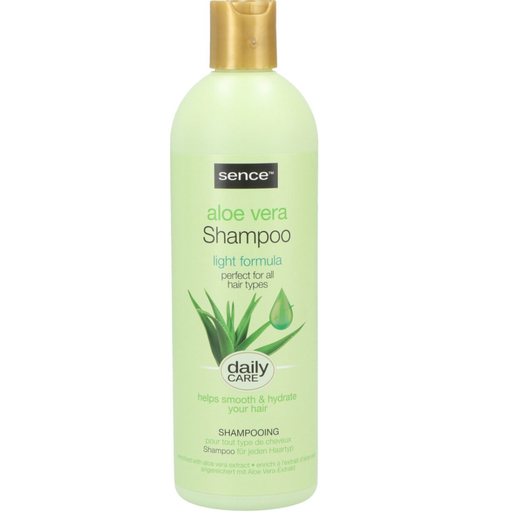
Why it suits this profile: A straightforward option if you are looking for shampoo for dry or damaged hair and want a 400 ml bottle. According to the product description, the lightweight formula contains aloe vera extract.
The variant and volume are clearly stated. Do not expect an anti-dandruff effect: this is a conditioning shampoo, not a targeted scalp treatment.
400 ml volume; aloe vera variant; intended for dry and damaged hair according to the product description.
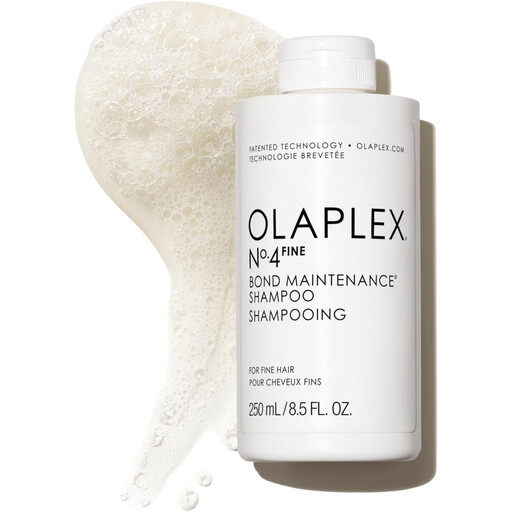
Why it suits this profile: Designed for users who pay close attention to damaged hair, softness and shine. The product description also mentions coloured and chemically treated hair.
Its intended use is more specific than shampoo for all hair types. The volume is 250 ml, so compare prices only after taking the volume into account.
Suitable for chemically treated hair according to the description; dermatologically tested according to the product information; vegan according to the stated specifications.
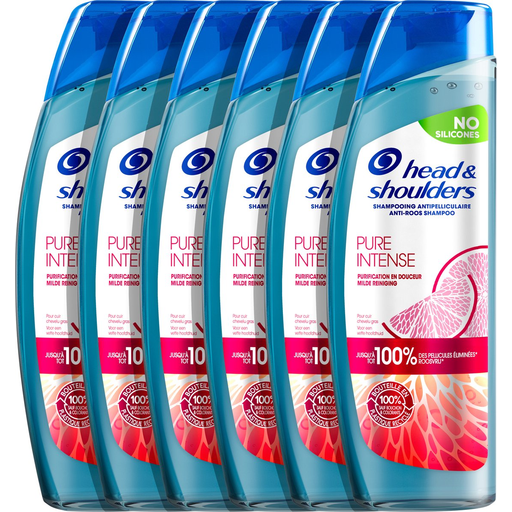
Why it suits this profile: A multipack for households that use anti-dandruff shampoo regularly and are looking for a formula for an oily scalp and greasy hair.
According to the brand’s own research, the claim “up to 100% dandruff-free” applies to visible dandruff and regular use. It should therefore not be viewed as a universal guarantee.
6 bottles of 250 ml; pH-balanced according to the product description; silicone-free formula according to the brand.
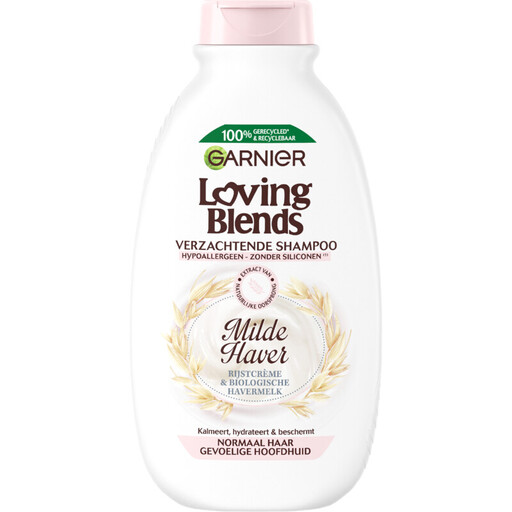
Why it suits this profile: According to the product information, this shampoo was developed for normal hair and a sensitive scalp. The formula is described as hypoallergenic and silicone-free.
The specifications state the scalp type and formula. However, if you are sensitive to fragrances or other ingredients, check the current ingredients list.
300 ml volume; oat and rice ingredients according to the ingredients list; silicone-free formula according to the product information.
We have put together a complete, up-to-date list of products that fully meet these strict selection criteria and the applicable European safety regulations.
That depends on your scalp, how often you wash your hair and your hair lengths. A mild shampoo for daily use may suit normal hair, but an oily scalp may require targeted cleansing. Do not automatically shampoo twice in one wash and follow the instructions on the packaging.
Check the expiry information and the period-after-opening symbol on the packaging. Products can change in quality after opening, particularly if they are stored somewhere warm or in direct sunlight. Close the bottle securely and keep your shampoo in a dry place.
First consider whether the itching is linked to dandruff, dryness, irritation or an existing skin condition. If you have a sensitive scalp, you may wish to choose a formula with fewer potential irritants, but always check the ingredients. If symptoms persist, or you experience redness or sores, or suspect eczema or psoriasis, it is advisable to consult a doctor.
