
If you don’t eat much toast at a time
You want to have a few pieces of toast and keep the rest sealed and dry. Small packs or a stated portion size can help you work out how much to open for one meal.


Choose sesame toast for a meal for one by looking at portion size, fibre, salt and ingredients – not just the word ‘seeds’. Small packs are handy if you only want to open some of the toast. A wholemeal option is a better fit if you’re mainly comparing fibre, but you’ll also need to check the salt content. If you have allergies, always check the current label.
For a meal for one, it makes a difference whether you can take just a small amount, which type of grain you choose and what the label says.
You want to have a few pieces of toast and keep the rest sealed and dry. Small packs or a stated portion size can help you work out how much to open for one meal.
You’re looking for the texture of sesame, but you also want to know which type of grain has been used and how much fibre the toast contains. The amount of sesame alone won’t tell you that.
You’re checking which allergens are present or comparing the salt content of toast you plan to use in the same way. Check the current packaging, even if you’ve bought the product before.
Start with the amount you want to open for one meal. Then compare the nutritional information per 100 g and read the ingredients list for the version you’re considering.
| What to consider | What to check | Who it matters to |
|---|---|---|
| Portions and storage | Check how many packs there are or the stated portion size, and follow the storage advice once opened. | If I only need a few pieces of toast, I want to be able to keep the rest sealed for another meal. Around 42% of consumers prioritise portions and storage. |
| Fibre and wholemeal | Look for wholemeal flour in the ingredients list and compare the fibre per 100 g with the amount you eat. | For a crisp sesame base, I also want to know whether the toast is made with wholemeal flour and how much fibre my portion contains. Around 33% of consumers prioritise this comparison. |
| Ingredients and salt | Read the current allergen information, including any possible traces, and compare the salt per 100 g. | If I need to avoid certain ingredients or want to take salt into account, I can’t rely on the product name alone. Ingredients and salt are the main consideration for around 25% of consumers. |
Sesame on toast doesn’t tell you which type of flour it’s made with. According to product information from Albert Heijn, regular Van der Meulen Melba toast with sesame contains 5 g of fibre per 100 g, while the wholemeal version contains 9.7 g per 100 g.
Check the type of flour in the ingredients list and compare the fibre per 100 g as well as for the amount you eat.
A fibre claim doesn’t tell you how much fibre you’ll get in a typical portion or how much salt the toast contains too. The Consumentenbond points out that this can make a fibre claim give an overly positive impression.
Read the full nutrition table and factor in both the amount of toast and your chosen topping when making a comparison.
The sesame toasts discussed here contain wheat and sesame. Depending on the product, other allergens may also be present or listed as possible traces.
Before buying, check the current ingredients list and the ‘may contain’ statement. Don’t rely solely on the product name or a previous pack.
The word ‘salt’ doesn’t confirm that the toast is made with iodised baker’s salt. According to the Voedingscentrum, using baker’s salt in bread is not compulsory.
If you want to know whether a specific toast contains iodised baker’s salt, look for an explicit statement on the product.
The differences below relate to the products or product types mentioned, not every item from each brand.
Offers regular sesame Melba toast in small packs, as well as a separate wholemeal version.
Toast sesame is an option if you’re specifically looking for sesame toast rather than Melba toast in small packs.
The Melba toast with sesame seeds has a stated portion size of 20 g, which can help you work out how much to have at one sitting.
The range includes seed crackers and sesame crispbread for anyone considering a different crunchy base.
These two products are crunchy sesame crackers that you could use as a base for toppings. They’re not sesame Melba toasts, so check the packaging carefully if you only want to open a small amount for one person.
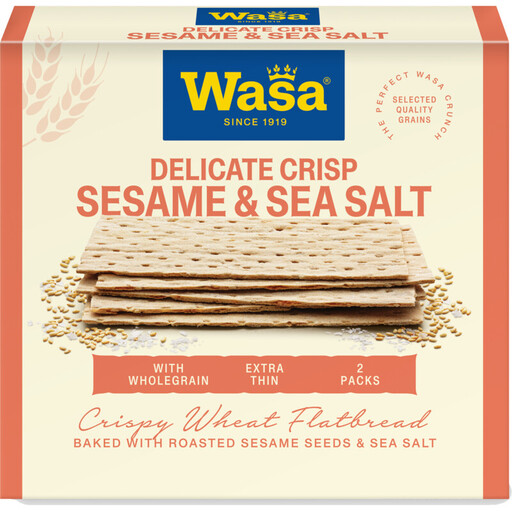 Image unavailable
A sesame cracker to consider if you’d prefer a crunchy base with toppings for your meal rather than Melba toast.
The pack contains 190 g. Check the portion size, nutritional information and current label if the amount per meal or allergens are important to your choice.
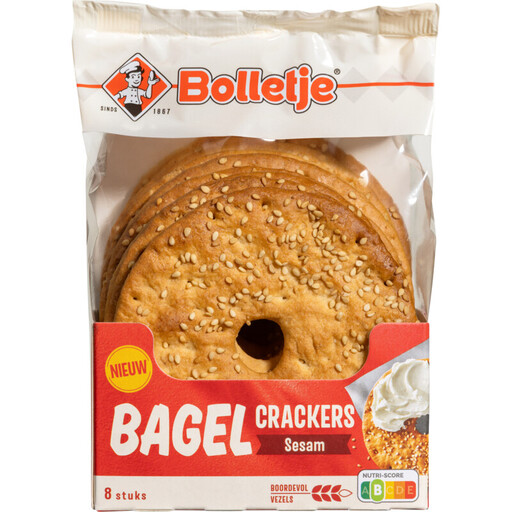 Image unavailable
A sesame bagel cracker for anyone looking for a cracker alternative to top with fillings; it’s not the same product type as Melba toast.
The pack contains 225 g. Before buying, compare the portion size, nutritional information and ingredients with the amount you plan to have for one meal.
It mainly depends on how much you want to open at once. According to product information from Albert Heijn, Van der Meulen Melba toast with sesame comes in 6 packs of 6 pieces of toast; AH Biologisch Melba toast with sesame seeds lists a 20 g portion and 5 portions per pack. Then compare the ingredients and nutritional information for the version you choose.
No. Sesame and wholemeal refer to different ingredients. Check whether wholemeal flour is listed in the ingredients and compare the fibre per 100 g; a sesame topping alone doesn’t indicate the fibre content.
At the very least, check for sesame and gluten-containing cereals, then read the full current label. The toast products mentioned contain wheat and sesame; other allergens or possible traces may also be listed, depending on the version.
Not based on the word ‘salt’ alone. The Voedingscentrum says that bread made with iodised baker’s salt can be a source of iodine, but using baker’s salt is not compulsory. Look for an explicit statement on the product to check a specific type of toast.
Follow the storage advice on the pack and seal any opened toast carefully. For the products mentioned, Van der Meulen and Jos Poell recommend storing them in a cool, dry place; AH Biologisch recommends keeping the toast in a sealed container after opening.