What should you look for?
Start with allergens and any school rules. Then choose between small pieces of toast, crackers or another grain-based option that suits how often and how the snack will be eaten.
| What to consider |
What to check before buying |
Who it matters to |
| Allergens and school rules |
Read the allergen information and any cross-contamination warning on the pack. If the snack is going to school, check your school’s policy too. |
If my child needs to avoid certain allergens, I want to know before packing whether the product is compatible with the school’s rules. For around 36% of consumers, checking allergens and school rules comes first. |
| Grain base and nutritional information |
Check whether the product name and ingredients indicate a wholegrain base. Compare fibre and salt per 100 g, and consider the portion size. |
If it’s a regular snack, I want to look beyond the visible sesame seeds. Around 29% of consumers give top priority to the choice of grain base. |
| Size and suitability for toppings |
Compare small Melba toasts with crackers or biscuits: they’re different shapes, even when they all contain sesame. |
I’m looking for something my child can eat straight away or top easily, without an awkward size. For around 21% of consumers, ease of use matters most. |
| Current product information |
Check availability before buying and read the packaging again, even if you’ve bought the product before. |
If I’m relying on a particular pack, I want to know it’s available and that the current information still suits my choice. Around 14% of consumers prioritise this up-to-date check. |
Brands to consider
These examples show how product types and label information can vary. A brand name alone doesn’t tell you whether a particular pack is suitable.
Bolletje
Bolletje Bagel Crackers Sesam are an alternative to Melba toast. According to Bolletje, they contain 7.6% roasted sesame seeds.
- The crackers can be eaten on their own or used as a base for toppings.
- The listed ingredients include wheat flour and barley malt extract. If you have an allergy, check the full allergen information and possible traces on the pack too.
Van der Meulen Melba
Jumbo lists Van der Meulen Melba Toast Sesam as small sesame toasts in a 120 g pack.
- According to Jumbo, this variety contains 7% sesame seeds, 5.0 g of fibre and 1.2 g of salt per 100 g. This makes it possible to compare its nutritional information per 100 g with that of other products.
- Jumbo lists sesame, soya and cereals containing gluten among the allergens. Check the current packaging before use.
Albert Heijn
AH Biologisch Melba toast met sesamzaadjes is an own-brand option if you’re specifically looking for Melba toast.
- The product name makes it clear that this is Melba toast with sesame seeds, not a sesame cracker.
- Albert Heijn warns that ingredients, nutritional values and allergy information may change. Check the packaging before deciding whether this pack is right for you.
Jumbo
Jumbo Party Toast met Sesam is an own-brand example of party toast with sesame. The product page lists a 150 g pack.
- Jumbo lists 8% sesame seeds, 4.2 g of fibre and 1.36 g of salt per 100 g for this product.
- The same page lists gluten, rye, sesame and wheat, and says that the item is no longer part of the online range.
Sesame products and alternatives on Joybuy
These are crunchy sesame crackers, biscuits and cracker sticks for anyone considering an alternative to small pieces of Melba toast. They aren’t all types of toast, so compare the shape and check the allergen information on each pack before choosing something for after school.
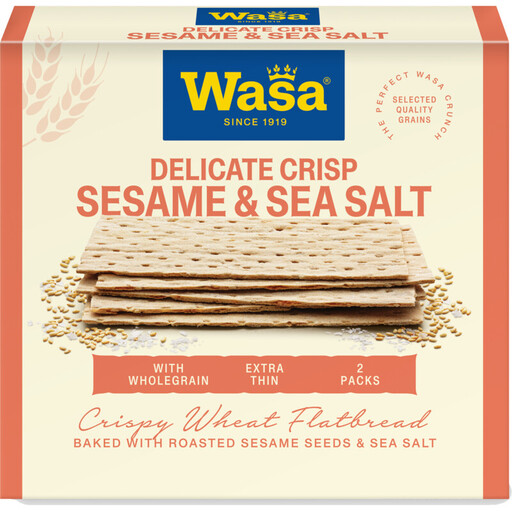 Image unavailable
Wasa Thin Crisp Sesame, 190 g
A thin sesame cracker for anyone looking for something different from small pieces of Melba toast. Check the current pack for wheat, barley and sesame, as well as any warnings about milk, before packing it for your child.
View on Joybuy
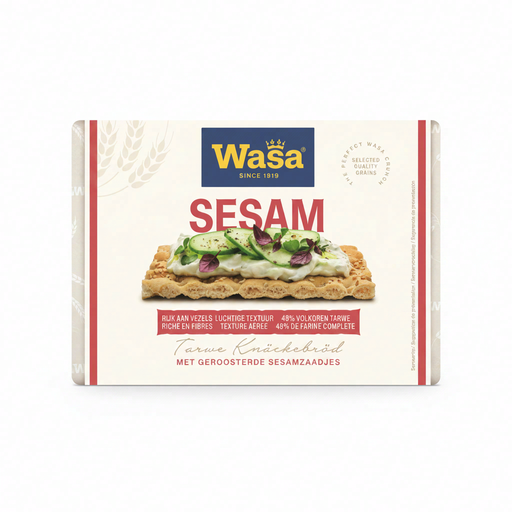 Image unavailable
Wasa Breakfast Biscuits Sesame, 250 g
A sesame biscuit for anyone looking for a snack that’s different from toast. Consider whether its biscuit shape suits the snack you have in mind, and check the allergen information on the pack, including wheat.
View on Joybuy
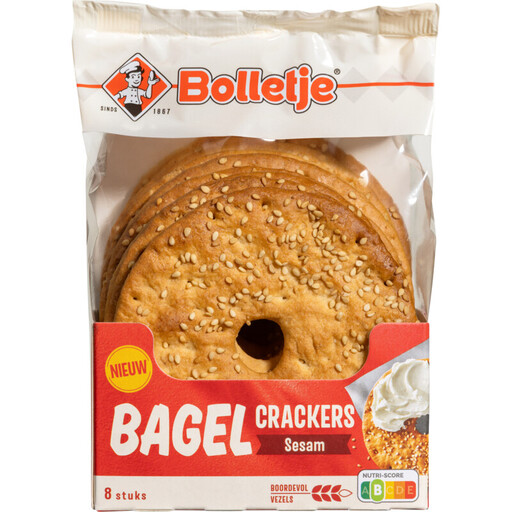 Image unavailable
Bolletje Sesam Bagel Crackers, 225 g
A sesame cracker that can be topped or eaten on its own. According to Bolletje, this variety contains 7.6% roasted sesame seeds; the listed ingredients include wheat and barley. Check the current allergen information, including possible traces, before choosing this pack for a child.
View on Joybuy
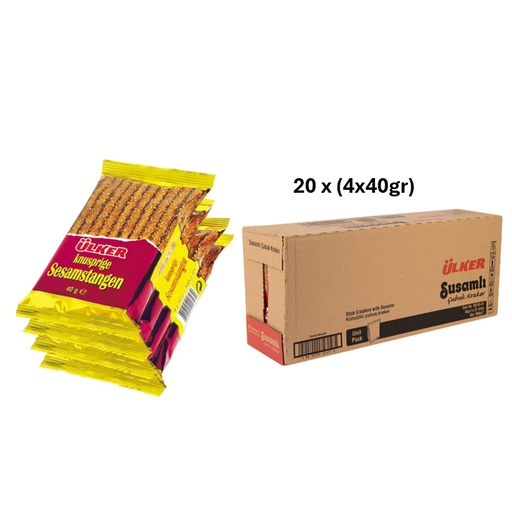 Image unavailable
Ulker Susamli Cubuk Kraker sesame cracker sticks
Cracker sticks for anyone looking for a handy sesame snack rather than toast. Check the ingredients and full allergen information on the pack, paying particular attention to wheat, sesame and milk. Also check the pack size before buying.
View on Joybuy
Frequently asked questions
Can you simply pack sesame toast for school?
First, check that the allergen information on the current packaging is suitable for your child and complies with your school’s rules. Sesame products may also list cereals containing gluten or other allergens. The Netherlands Food and Consumer Product Safety Authority highlights the importance of allergen information on food labels.
Is sesame toast automatically wholegrain?
No. Sesame seeds tell you nothing about the grain base. If you’re looking for a wholegrain product, check the product name and ingredients. The Netherlands Nutrition Centre lists wholemeal bread as one possible snack for children.
What’s the difference between sesame Melba toast and a sesame cracker?
They’re different types of product. Choose small pieces of Melba toast if that’s the size you want, or consider a cracker if you’d prefer something different to eat on its own or with a topping. Compare the ingredients and nutritional information for the specific products: containing sesame doesn’t make them interchangeable.
Does salt in toast mean it contains iodine?
No. The salt information alone doesn’t tell you whether iodised baker’s salt has been used. The Netherlands Nutrition Centre explains that this salt contributes to the iodine in bread in the Netherlands. For a particular type of toast or cracker, check the ingredients or ask the manufacturer.
Is online allergen information enough to choose a pack?
Use online product information to help you prepare, but check the current packaging before use. Albert Heijn notes that ingredients, nutritional values and allergy information may change. So the information on a page you viewed earlier may not match the pack in your hand.


