
Vandaag of morgen in huis

Kwaliteit gegarandeerd

Welkomstaanbiedingen ontgrendelen: GRATIS bezorging | Tot 80% korting | Gratis 30 dagen JoyPlus-proefperiode
Download de app
Sesame snacks come in many forms: from soft black sesame balls and sesame biscuits to crunchy sesame crackers, sesame wafers and spicy konjac snacks. That makes choosing fun, but also tricky. A striking packet doesn’t tell you much about the taste, portion size or nutritional value.
With this practical checklist, you can focus on the points that make the biggest difference for shoppers.
A product labelled low-sugar or sugar-free can still be high in energy. According to the product information, Haoxiangni Sugar-Free Black Sesame Balls contain 0 grams of sugar per portion, but deliver 573 kcal and 44.5 grams of fat per 100 grams. Maltitol provides the sweet taste here. So always check the full nutritional table, not just the front of the packet.
A 206-gram or 360-gram pack may contain lots of small sachets. That’s handy for on the go, but check how many grams one portion contains. That way, you avoid comparing the nutritional value per 100 grams with a much smaller portion from another product.
Individual packets are still useful for a lunchbox, the office or for sharing. They also help you measure out a portion in advance.
Some Chinese sesame snacks are made with a short ingredient list, such as sesame, dates and syrup. Other products also contain oil, flavour enhancers, sweeteners or multiple allergens. According to the brands’ own product information, ingredients and production warnings can vary between variants. So check the packaging before you order, especially if you have an allergy or intolerance.
Sesame is a mandatory allergen to declare in the European Union. In this range, you may also find peanuts, soya, wheat, gluten, barley and nuts. A sesame biscuit or sesame nougat can therefore contain more allergens than the product name suggests.
Look out for these declarations:
Choose based on when you want to eat the snack:
The frozen rice balls from Chinatown are not a ready-to-eat snack. They need to be prepared in boiling water and are ready only when they float to the surface, followed by about one to two more minutes of cooking.
Use the per-100-gram values to compare products fairly. Use the per-portion values to work out what you’re actually eating.
For example:
A lower energy value doesn’t automatically make a snack suitable for everyone. Taste, salt, sweetness, allergens and portion size all matter just as much.
Why this fits the profile: These crunchy crackers are an easy introduction for anyone trying Asian sesame snacks for the first time. The pack contains 100 grams split across four sachets.
The portion breakdown makes the quantity clear. The ingredient list includes wheat, sesame, barley and flavour enhancer E635, so there’s no need to guess the composition.
Not fried according to the product description, with sesame, wholemeal flour and pea fibre. Great with tea or as a savoury snack.
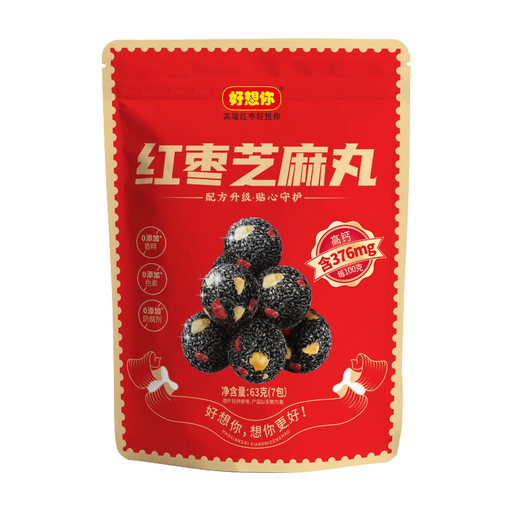
Why this fits the profile: For fans of black sesame snacks who want a soft, slightly chewy texture and a sweeter taste to enjoy with tea.
The product information states a net weight of 63 grams and 7 to 8 individual packets. So you know in advance exactly how many small portions you’re getting.
Ingredients are black sesame, red dates, maltose syrup and honey. Per portion of around 21 grams, 108 kcal is listed.
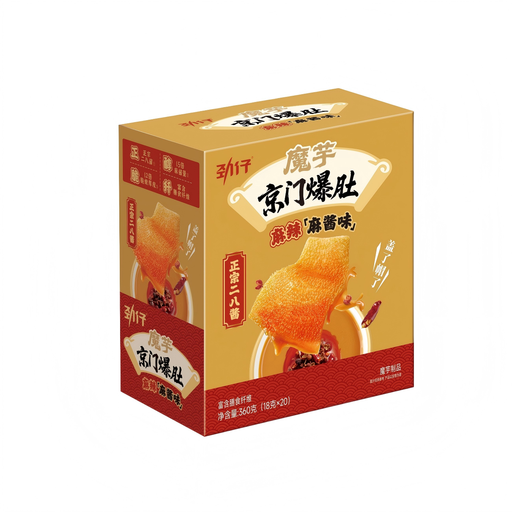
Why this fits the profile: These vegetarian snacks suit anyone looking for a savoury, chewy bite for on the go, a film night or for sharing.
The bag contains 20 portions of 18 grams. This spicy sesame snack is therefore easy to portion out. Do check the listed allergens: soya, peanut and sesame.
The product information states 196 kcal per 100 grams and a konjac content of 71.37%. The flavour combines sesame paste, peanut, chilli and Sichuan pepper.
Other variants are interesting for a specific occasion. The Little Prince sesame wafers are individually wrapped and designed as a crunchy snack with tea. Huang Lao Wu black sesame brittle combines black sesame with peanut and, according to the product information, has 590 kcal per 100 grams. For a salty, chewy bite, sesame konjac snacks or Golden Mill Sesame Spicy Strips are a good choice. Always check the ingredients and allergens again for each product.
We’ve put together a full, up-to-date list of products that fully meet these strict selection criteria and comply with current European safety regulations.
Individually wrapped products are the most practical. Think of black sesame balls, konjac snacks and some sesame wafers. They require little preparation and, as long as the packaging is sealed, stay easy to carry in a bag or lunchbox.
Some products are vegetarian or plant-based, such as several konjac snacks. Always check the ingredient list and any preparation instructions. “Vegetarian” also doesn’t automatically mean a product is free from soya, peanut, wheat or other allergens.
Most shelf-stable snacks should be stored in a cool, dry place away from direct sunlight. Seal an opened packet well to limit moisture and loss of crunchiness. Frozen products, such as filled rice balls, must be stored at -18 °C or lower according to the product information and should not be refrozen after defrosting.
