
Vandaag of morgen in huis

Kwaliteit gegarandeerd

Welkomstaanbiedingen ontgrendelen: GRATIS bezorging | Tot 80% korting | Gratis 30 dagen JoyPlus-proefperiode
Download de app
A jar of sesame sauce might seem simple to choose, but the differences between sesame paste, tahini, sesame dressing and ready-made sauces are significant. Some products contain only roasted sesame, while other varieties include oil, sugar, soy, vinegar or flavour enhancers. This affects the taste, texture, allergens and how you use the sauce.
For home cooks in the UK, there are three main pitfalls to watch out for:
If you are looking for a neutral base for a sesame dip or noodle sauce, look for a short ingredients list. The products from LIUBIJU, Sanfeng and Mee Chun in this selection are made with 100% sesame, according to the product information. That means you can add your own soy sauce, rice vinegar, chilli oil, garlic or warm water.
Other products are already flavoured. ChaoWang Sesame Seasoning contains, according to the stated product information, 60% sesame, soya oil, water, sugar, salt and spices. This can be handy when you want to make a savoury sauce quickly, but it gives you less room to build the flavour yourself.
Sesame paste or tahini is thick and concentrated. You can mix it with warm water to make a smooth sauce. For a Chinese sesame sauce for noodles, soy sauce and vinegar are good additions. For hotpot, you can also use chilli oil and garlic.
A sesame dressing is usually more liquid and ready to use. The KEWPIE and OMODAKA varieties contain, according to the product information, oil, sugar, vinegar and seasonings. They are therefore a good match for salads, sushi, dumplings, fish, meat and vegetables, without needing to mix anything first.
Do not just compare 200 ml with 200 g. The quantity and composition determine how much you use per dish. A pure paste is often suitable as a base and can be diluted; a ready-made dressing is usually used straight away.
After opening, a pure sesame paste generally needs to be stored in the fridge and used promptly. Some varieties may naturally separate oil. This is a reason to stir the paste well. Always check the packaging for the current best-before date, storage instructions and allergen information.
Sesame is listed as an allergen in all pure varieties. Blended products may add peanut, soya, wheat, egg or mustard. If you have a food allergy, the packaging is the definitive guide; product information on a web shop can change.
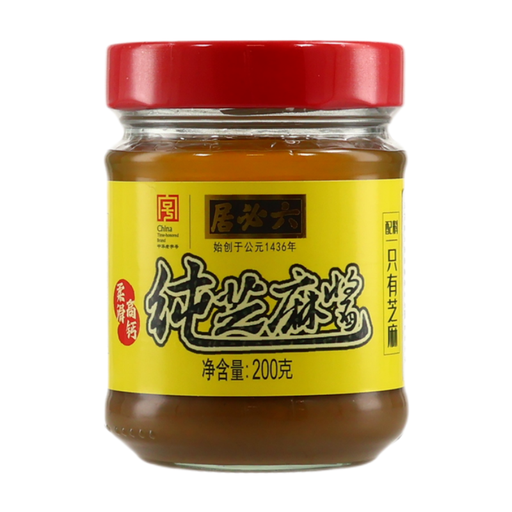
Why this fits the profile: The 200g pack is manageable for anyone wanting to try sesame sauce for the first time. According to the product description, the sauce is made from roasted sesame seeds and can be used straight away or diluted as a base.
The ingredients list is short according to the supplied product information. So you are not paying for a long list of seasonings you may not need.
100% roasted sesame according to the product listing; suitable for hotpot, cold dishes, salads and noodles.
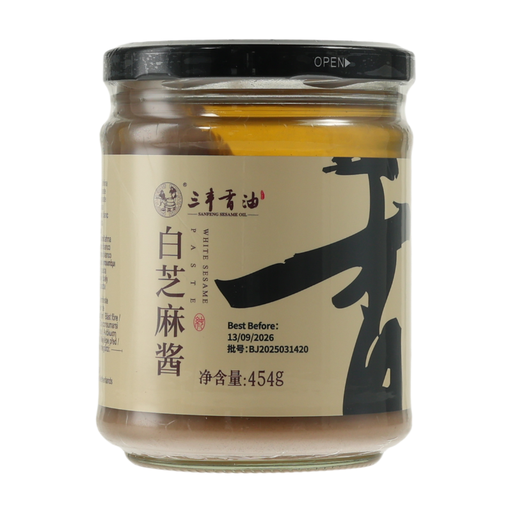
Why this fits the profile: The 454g jar offers plenty for regular use. According to the product information, the paste is made from 100% white sesame and has a creamy texture for dressings, marinades and dips.
The composition lists no added oil, preservatives or artificial ingredients. Always check the label on arrival.
454g pack; can be diluted with warm water, soy sauce or vinegar; contains only white sesame according to the product information.
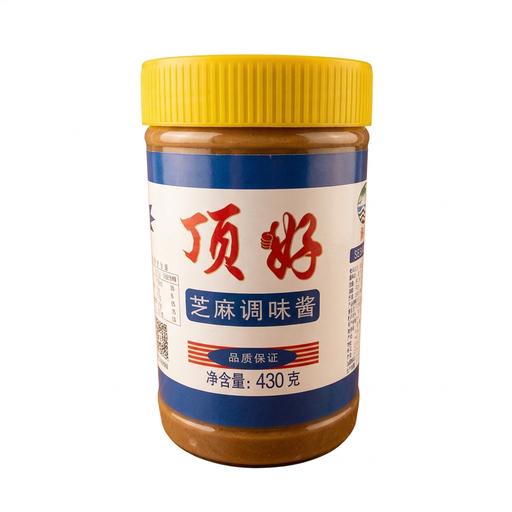
Why this fits the profile: This seasoned sesame base is intended, according to the product description, for cold noodles, hotpot, dumplings, salads and marinades. Diluting with warm water makes the texture more practical for larger meals.
The flavour is already blended. This means you do not need to buy multiple seasonings, but you should watch out for the higher salt content and the presence of soya.
430g pack; ready to use; suitable as a sesame dip, hotpot sauce, dressing or base for a marinade.
We have put together a full, up-to-date list of products that fully meet these strict selection criteria and comply with current European safety regulations.
Not always. Tahini is usually a paste of ground sesame seeds, often without extra seasonings. Sesame sauce can also be a diluted or seasoned sauce. So check the ingredients and consistency.
Store most pure sesame pastes in the fridge after opening and use them within the time stated on the label. Stir any oil separation well before using the paste. Always follow the manufacturer's storage instructions.
A pure sesame paste gives you the most control over the flavour. A seasoned variety is quicker to prepare. For a fresh salad, a ready-made sesame dressing or a diluted white sesame sauce is more practical.
