
Vandaag of morgen in huis

Kwaliteit gegarandeerd

Welkomstaanbiedingen ontgrendelen: GRATIS bezorging | Tot 80% korting | Gratis 30 dagen JoyPlus-proefperiode
Download de app
A jar of sesame sauce might seem straightforward to choose. Yet sesame paste, ready-to-use sesame dressing and a sweeter stir-fry sauce differ greatly in composition, flavour and how you use them. If you only look out for words like "roasted", "authentic" or "Japanese style", you could end up with a sauce that's too salty for a salad, too thick for noodles, or contains allergens that don't suit your household.
This guide helps you compare sesame sauces based on verifiable product information. That way, you can choose the right one for noodles, dumplings, hotpot, sushi, stir-fries or marinades.
Pure sesame paste is usually made from ground sesame seeds and has a thick, oily texture. You thin it yourself with warm water, soy sauce, vinegar or chilli oil. A ready-made dressing often already contains oil, sugar, vinegar, soy sauce and thickeners. It's ready to use straight away, but gives you less room to adjust the flavour.
For a Chinese hotpot sauce or sesame sauce for noodles, pure paste is often more practical. For a quick salad or sushi meal, a liquid Japanese sesame dressing is more convenient.
Check the ingredients list and the quantitative declaration. For example, Sanfeng White Sesame Sauce 280g lists roasted white sesame seeds as the only ingredient. With Kewpie Sesame Dressing Deep Roasted 236ML, 5% roasted sesame seeds appear in the ingredients list, alongside rapeseed oil, water, soy sauce, sugar and vinegar.
That doesn't make the Kewpie dressing unsuitable, but it is different from a pure sesame paste. So the name and packaging tell you less than the full ingredients list.
Sesame, soya, wheat, peanut, egg, mustard and shellfish appear in various Asian sauces. Always check the label, especially if you're serving the sauce to guests. Product information online can also change; the packaging of the product you receive is what counts.
Also look out for separation of oil and paste. This is normal with pure sesame sauces. A product like Mee Chun states that natural oil separation can occur and that you should stir the sauce well. After opening, some products need to be stored in the fridge.
Use this simple breakdown:
Liubiju offers both a 200 g variant and LIUBIJU Pure Sesame Paste 420g. According to the product description, these products consist of sesame with no other ingredients added. Do check the actual packaging before use.
A thick sesame paste is suitable for a hotpot dip or cold noodles, but usually needs to be stirred to loosen it. For example, mix one part paste with warm water and add soy sauce, rice vinegar, garlic or chilli oil to taste.
A dressing like Kewpie is already liquid. Shake the bottle according to the product instructions and use it straight away. A thick paste gives you more control over the final flavour; a dressing saves preparation time.
Don't just compare the price of a bottle; compare the volume too. A pack of 200 to 280 g is suitable for occasional use. A jar of 420 or 454 g makes more sense if you regularly make noodles, hotpot or dressings. For a large household or professional use, 930 ml or 1 litre might be more convenient, but check the shelf life and fridge space after opening.
Also pay attention to sugar and salt in ready-made sauces. For example, Go-Tan Wok Sesame Ketchup states 15 g sugar and 3.7 g salt per 100 g. The sauce is intended for stir-fries, dressings and marinades, making it a different type of product from pure sesame paste.
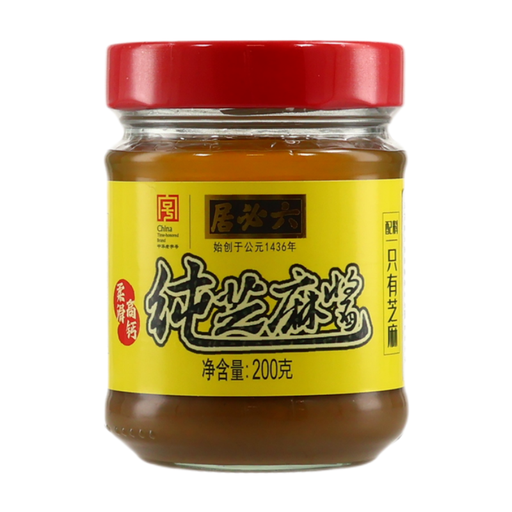
Why this fits the profile: The compact pack is suitable if you make hotpot, salad or noodles occasionally and want to try pure sesame sauce first.
According to the product information, the sauce consists of roasted sesame seeds and contains no stated added oil or sugar.
200 g; ready to use as a dipping sauce or as a base for a homemade dressing.
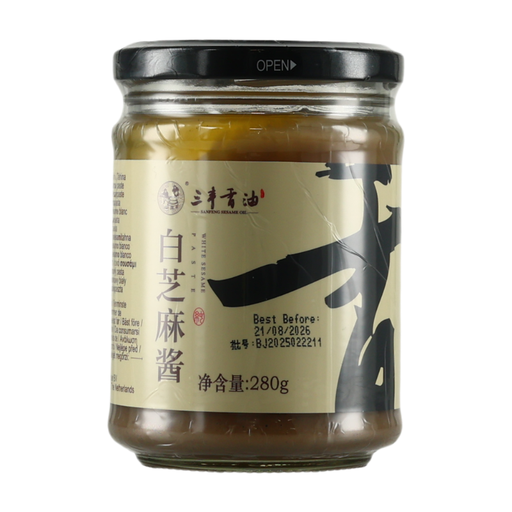
Why this fits the profile: A pure base with a creamy texture for enthusiasts who want to control the thickness and seasoning of their Chinese sesame sauce themselves.
The ingredients list states 100% roasted white sesame seeds, with no stated extra oil, preservatives or artificial ingredients.
280 g; suitable for dressings, marinades, desserts and hot dishes.
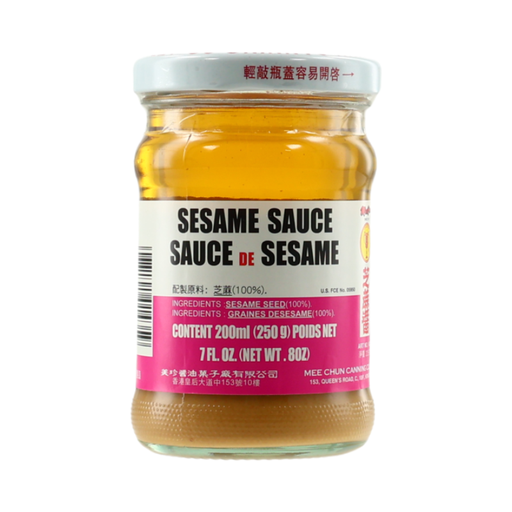
Why this fits the profile: Aimed at Chinese cold noodles, hotpot and dumplings where you mix the sauce with warm water and seasonings to your taste.
The product information states 100% roasted sesame and gives specific mixing suggestions for hotpot and cold noodles.
200 ml; stir well after natural oil separation; can be combined with soya, vinegar and chilli oil.
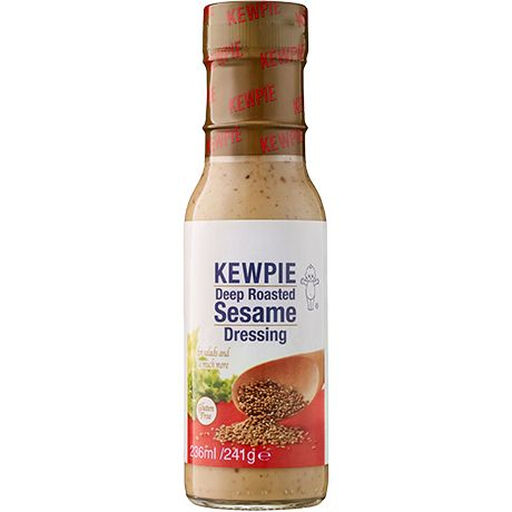
Why this fits the profile: Pour it straight over salad or vegetables, or use it as a dipping sauce for a quick meal without having to mix a base first.
The liquid dressing prevents you from buying a thick paste for an application where pouring straight away is important.
236 ml; according to the product information, it contains roasted sesame, soy sauce, vinegar and egg.
We've put together a full, up-to-date list of products that fully meet these strict selection criteria and comply with current European safety regulations.
Tahini is often used in Middle Eastern dishes like hummus and usually consists of ground sesame, sometimes with salt. Chinese sesame paste is typically made from roasted sesame and has a pronounced nutty flavour. For hotpot and Chinese cold noodles, Chinese sesame paste generally works better with soya, vinegar and chilli oil.
Stir one to two tablespoons of sesame paste until loose with warm water. Then add soy sauce, rice vinegar, garlic, chilli oil or a little sugar. Taste as you go and adjust the thickness. If you're using a ready-made sesame dressing, you can mix it straight into warm or cold noodles.
Always follow the packaging. Pure sesame paste often needs to be stored in the fridge after opening. Stir the oil and paste together first and use clean utensils. An opened dressing may also have a refrigeration recommendation. Pay attention to the stated shelf life and don't use a product if the smell, colour or packaging has clearly changed.
