
Vandaag of morgen in huis

Kwaliteit gegarandeerd

Welkomstaanbiedingen ontgrendelen: GRATIS bezorging | Tot 80% korting | Gratis 30 dagen JoyPlus-proefperiode
Download de app
A jar of sesame sauce might seem straightforward to choose at first glance. Yet products vary greatly in composition, use and flavour. Some are a pure sesame paste, while others are ready-to-use Japanese sesame dressing with oil, sugar and vinegar. There are also powdered mixes for hotpot and spicy sauces containing peanut, soya or Sichuan pepper.
The right choice therefore depends on your dish and on what you expect from the label. These checkpoints will help you avoid buying a large bottle that doesn't suit your cooking style, or a sauce that's too sweet, too salty or too spicy.
A ready-to-use sesame dressing can be used straight away, for example on salad or cold noodles. The composition often includes oil, water, vinegar, sugar, soya and thickeners. This makes the sauce easy to use, but less suitable if you want to control the thickness and seasoning yourself.
With 100% sesame paste, the base consists only of roasted sesame according to the product information. You can thin it yourself with warm water, soya sauce, rice vinegar, garlic or chilli oil. Always check the actual packaging though: information on a product page may differ from the label.
A large pack isn't automatically better value. Pure sesame paste contains a lot of oil from the sesame itself and can need more attention after opening. Some products state that they must be stored in the fridge and used within a certain period.
For a small household, a 160g or 200g jar can be more practical. If you regularly make hotpot, noodles or marinades, you may benefit from 420g or 454g. Compare the price per 100 grams or millilitres and pay attention to the recommended storage time.
A spicy sesame sauce can contain chilli, Sichuan pepper and other spices. That's not the same as a neutral Chinese sesame sauce. Also check whether it contains peanut, soya, wheat, egg, mustard or shellfish. Mixed sauces and stir-fry dressings in particular can contain multiple allergens.
If you have an allergy or intolerance, the ingredients list on the packaging is the deciding factor. Use the online product information as a first guide, but always read the label before consumption.
First, decide whether you're looking for a pure paste or a blended sauce.
If you want to make a traditional Chinese sesame sauce for hotpot or noodles, you'll usually choose a concentrated paste. For a quick salad, a ready-to-use sesame dressing is more convenient.
Check the preparation method. Haidilao Sesame Sauce Powder Spicy Flavor is a powder that, according to the product description, should be mixed with cold water, usually in a ratio of about 1:1 to 1:1.5. You can then add extra water, garlic, vinegar or chilli.
A jar like Mee Chun Sesame Sauce or Sanfeng White Sesame Sauce is ready to use, but sometimes needs to be stirred well first. Natural oil separation is normal for a sesame-based paste. A ready-to-use dressing usually just needs a shake.
Don't just compare the packaging, but also the nutritional values per 100 grams or 100 millilitres. Pay particular attention to salt, sugar and fat, as these values vary greatly between pure paste, stir-fry sauce and dressing.
For example: Haidilao powder states 6.7g of salt and 12g of sugar per 100g. ChaoWang Sesame Seasoning contains 5g of salt and 10g of sugar per 100g according to the product information. A pure sesame paste typically has no added sugar or salt, but does contain a lot of fat and energy from the sesame itself.
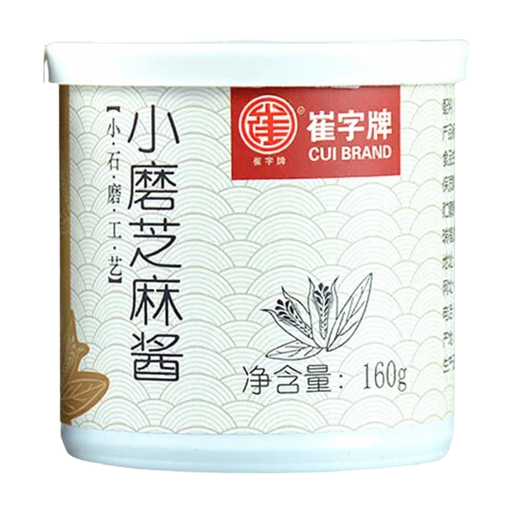
Why this suits the profile: The smaller pack is practical for anyone trying a Chinese sesame paste for the first time, or only making noodles and dumplings occasionally.
The ingredients list states sesame as the ingredient, without a long list of added flavourings. This means you can add water, vinegar or soya sauce yourself.
160g, ready to use and suitable for cold noodles, vegetables, hotpot and as a spread.
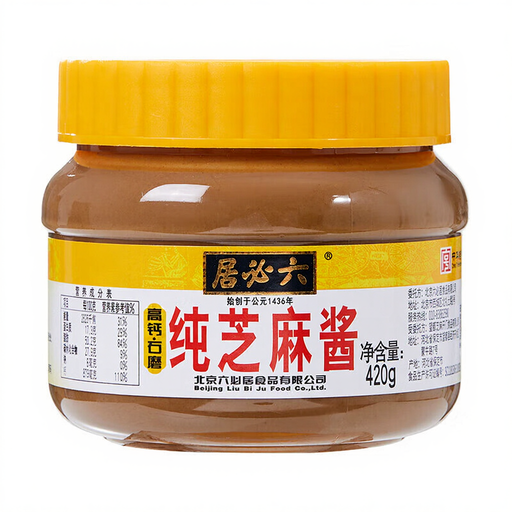
Why this suits the profile: This larger jar suits home cooks who regularly want to make a base for Chinese sesame sauce, marinades or noodle dressing.
According to the product information, the paste consists of sesame, with no added sugar or oil listed. You therefore decide the flavour and texture yourself.
420g, suitable for hotpot, cold dishes and noodles; refrigerate after opening according to the product information.
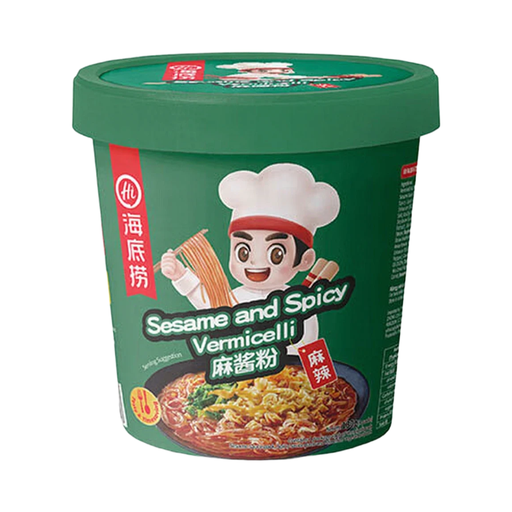
Why this suits the profile: The powder form is handy for hotpot, portion-by-portion use and fans of chilli and Sichuan pepper.
You don't need to store a large jar of opened paste. Mix the desired amount each time and adjust the thickness and spiciness with water or extra spices.
130g powder, with chilli and Sichuan pepper; suitable for hotpot, dumplings, noodles, salads and marinades.
We've put together a full, up-to-date list of products that fully meet these strict selection criteria and comply with current European safety regulations.
Tahini is usually a Middle Eastern sesame paste, often made from ground sesame. Asian sesame paste is often made from roasted sesame and therefore has a distinctly roasted, nutty flavour. The exact taste and texture vary by brand, so check the ingredients and preparation method.
That depends on the product. Store an opened paste according to the label; several products state that refrigeration and quick consumption are required. A dressing may have different storage instructions. Stir a paste well if natural oil separation occurs, and do not use the product if the packaging is damaged or the smell and texture are clearly off.
Gradually thin a pure paste with warm water or cooking liquid. Then add vinegar, soya sauce or sugar. With a spicy sesame sauce, you can use extra neutral paste, water or dressing to reduce the intensity. Do this in small amounts so the sauce doesn't become too thin.
