
当日/次日达

品质保障

开启新人专享福利: 全场免邮 | 低至 2 折 | 免费试用 30 天 JoyPlus 会员
下载 Joybuy
A steaming bowl of sesame noodles: the promise of a quick, flavorful, and satisfying meal. But the search in the noodle aisle can be overwhelming. The packaging screams for your attention, but what’s really inside? As a Product Recommendation Officer at Joybuy, I see the common pitfalls shoppers face every day. Before you buy your next pack of sesame noodles, it’s wise to know a few common traps.
The disappointment is often twofold:
These problems can be avoided by focusing on a few specific product attributes instead of marketing promises.
You don't need to decipher long ingredient lists to make a great choice. Just focus on three clear features that define the flavor and experience.
The heart of great sesame sauce noodles is the sauce. This is where the biggest difference lies:
For spicy sesame noodles, the addition of chili oil (often called 'red oil') and Sichuan peppercorns is essential for the signature numbing spiciness ('málà').
Not all instant noodles are created equal. Texture is crucial to the eating experience.
Wide sesame noodles, often made from wheat or potato starch, have a larger surface area and hold sauce well. They offer a firm, chewy bite. Thinner sesame ramen noodles cook faster and work well in a soup base, as with tantanmen noodles.The packaging says a lot about its ease of use.
Based on these objective criteria, we've selected several popular choices that cater to different preferences.
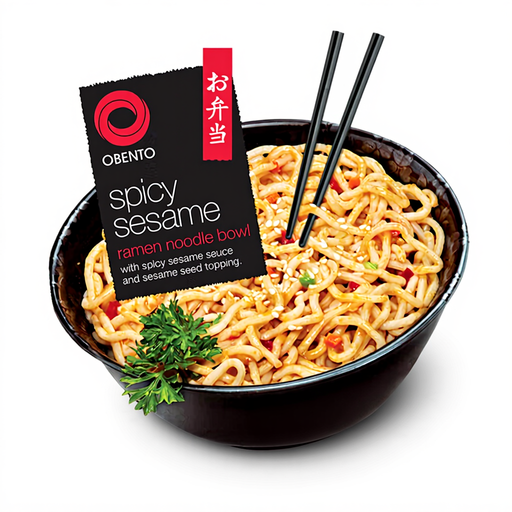
Why This Fits Their Persona: Perfect for a quick lunch at the office or an easy meal at home. Everything is in one bowl; you just need hot water. No cleanup, no fuss.
The sauce base contains sesame paste, ensuring a creamy and rich flavor instead of a watery broth. The ramen noodles are resilient and don't get mushy quickly.
A complete meal kit in a bowl. The balance between spice and nutty sesame flavor is well-calibrated for a broad audience.
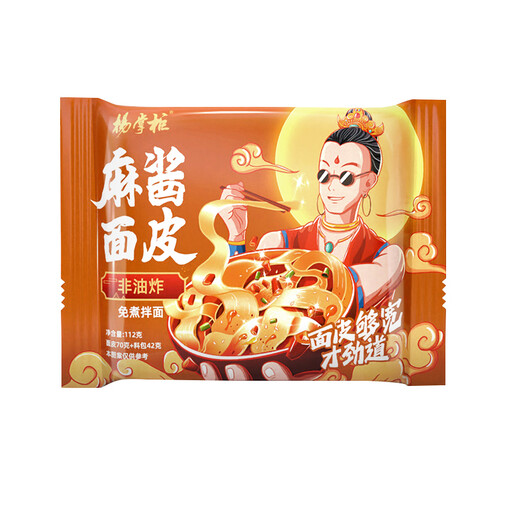
Why This Fits Their Persona: For those who value texture as much as flavor. These wide, flat noodles offer a satisfying, firm bite that's hard to find in standard instant noodles.
This product directly tackles the 'soggy noodle' pitfall. The non-fried, wide noodle sheets are specifically designed for a *chewy* and smooth texture that perfectly absorbs the thick sesame sauce.
The unique texture of the noodles is its main draw. The sauce is rich with sesame paste, delivering an authentic, creamy flavor.
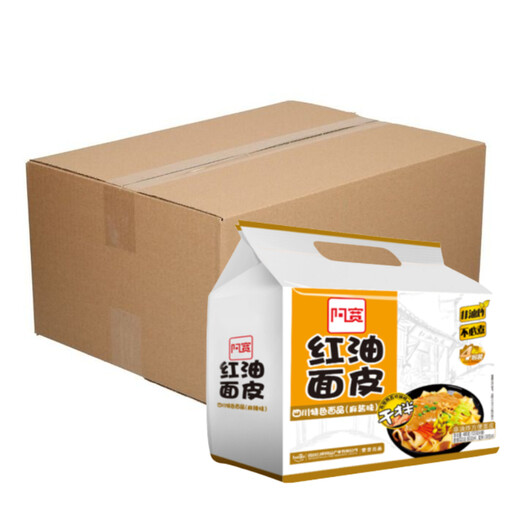
Why This Fits Their Persona: For those seeking more than just 'spicy.' These noodles deliver the signature 'málà' flavor of Sichuan, with the numbing tingle of Sichuan peppercorns and the deep heat of chili oil.
This product avoids the 'one-dimensional flavor' trap by offering a complex sauce. The ingredient list explicitly mentions chili, black sesame, and Sichuan peppercorns, which guarantees an authentic taste.
The combination of creamy sesame sauce with authentic Sichuan chili oil ('red oil') is its greatest strength. The non-fried, wide noodles provide an excellent texture.
We've curated a complete, up-to-date list of products that meet these selection criteria.
While both dishes share a base of sesame and spice, there are key differences. Japanese tantanmen noodles are a type of ramen, typically served in a creamy, spicy soup with ground meat. Chinese sesame noodles, such as Dan Dan noodles, are often 'dry' noodles (without soup) that are tossed in a thick sauce of sesame paste, chili oil, and Sichuan peppercorns.
Simple additions can make a huge difference. Consider adding:
Non-fried noodles generally contain less fat and fewer calories than their fried counterparts. They are often considered a lighter option. The texture is also different: non-fried noodles are typically more resilient and have a more pronounced 'bite,' similar to fresh pasta. The choice depends on your personal preference for flavor, texture, and nutritional values.
