What should you look for when choosing?
First decide whether you want a light accompaniment to cake or a cracker to eat on its own. Then compare the seed content and nutritional information of products in the format you prefer.
| What to consider |
What to check when buying |
Who it matters to |
| Texture and flavour |
Check whether it’s melba toast or a cracker, and whether herbs or savoury flavourings have been added alongside the seeds. |
I want to serve something small and crunchy with cake, without a substantial cracker taking the place of the cake; for around 36% of consumers, that light texture matters most. |
| Seeds and fibre |
Compare the seed content, grain base and fibre per 100 g on the packaging of the exact product. |
When I have a cracker as a snack on its own, I’m mainly looking for a pronounced seed crunch and a wholegrain base; around 36% of consumers prioritise this seed profile. |
| Label and ingredients |
Read the allergen information and salt content. If you’re checking for iodine or baker’s salt, look for iodised salt in the ingredients. |
If I need to avoid certain ingredients or am looking for specific information on the label, I want to check the packaging before choosing based on taste; around 28% of consumers put this check first. |
Brands to consider
These product ranges show how light toast differs from seed crackers. A brand name alone doesn’t tell you what’s in a different variety.
Albert Heijn
Its organic sesame melba toast is an example of a small piece of toast to serve with coffee and cake.
- For this variety, Albert Heijn lists 7% sesame, 5.2 g fibre and 1.1 g salt per 100 g.
- According to the product information, this variety contains sesame, soya, barley and wheat.
Bolletje
The seed crackers we looked at are for anyone who would rather have a distinctly crunchy cracker than light melba toast.
- Bolletje lists a wholegrain base and 45% seeds, including linseed, sunflower seeds and sesame, for its Zadencrackers Zonnebloempitten.
- The cracker ranges we looked at aren’t small pieces of melba toast and, according to the product information, contain gluten-containing cereals and sesame.
Jumbo
The listed Crackers Zaden & Pitten provide a useful point of comparison for nutritional information, but aren’t currently available to buy online from Jumbo.
- The product information lists 10.3 g fibre and 1.40 g salt per 100 g.
- Jumbo says this particular variety is no longer part of its online range.
ALDI
ALDI lists both multiseed and sesame wholegrain crackers in its Goud Gebakken range; each variety needs to be checked separately.
- There are different cracker formats with seeds or sesame to consider alongside regular melba toast.
- Check the ingredients, allergens and nutritional information on each pack. The separately listed Sun Snacks Melba Toast Naturel isn’t described as a seed variety.
Seed crackers on Joybuy
These are crackers with sesame or other seeds for anyone who wants to look beyond the light format of melba toast. For a coffee break, pay particular attention to the size and any savoury flavourings.
 No image available
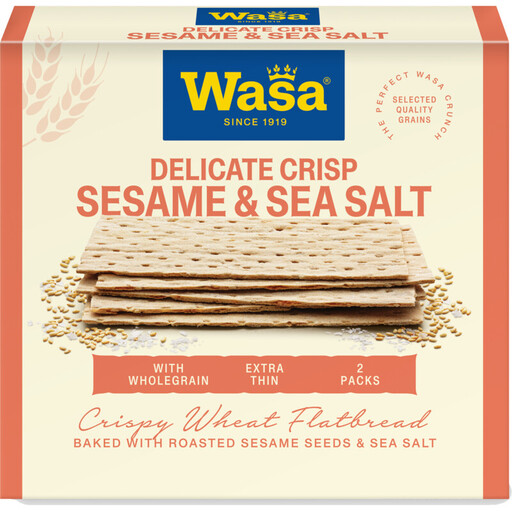
Wasa Thin Crisp Sesame 190 g
An option to consider if you’d like a thin sesame cracker with coffee and cake instead of melba toast. Check the packaging to see whether the flavour and allergens are suitable for your guests.
View on Joybuy
 No image available
Wasa High-Fiber Crackers 300 g
Worth a look if fibre in a cracker matters more to you than having a small piece of toast with cake. Compare the fibre per 100 g and the ingredients on the pack with those of your other options.
View on Joybuy
 No image available
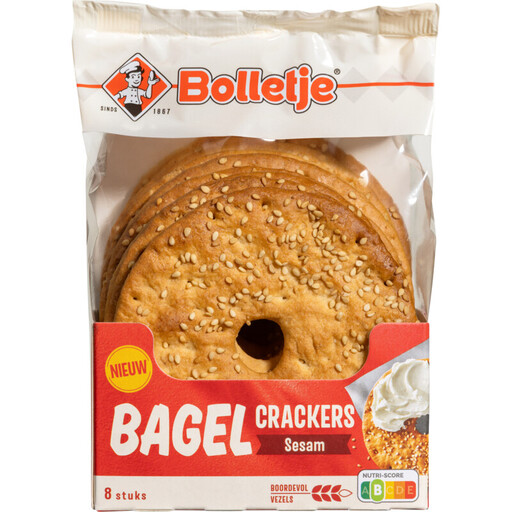
Bolletje Sesame Bagel Crackers 225 g
A sesame cracker to consider if you’d prefer something more substantial, perhaps with a topping, instead of light melba toast. Check the fibre per 100 g on the current packaging before comparing nutritional information.
View on Joybuy
 No image available
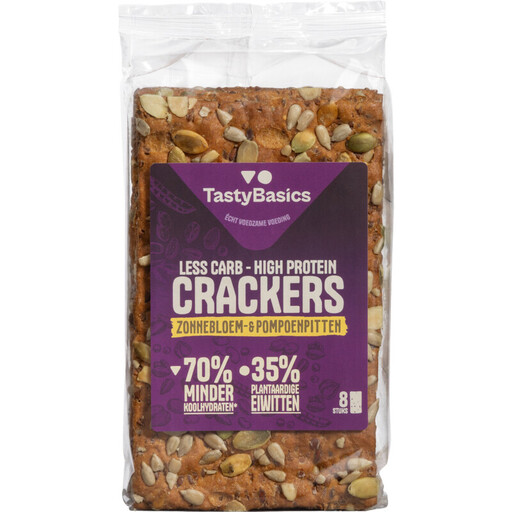
TastyBasics Crackers Sunflower Seeds 8 Pieces
A sunflower seed cracker to compare if you want the seeds to take centre stage. If you’re serving it with cake rather than as a snack on its own, consider its size and ingredients.
View on Joybuy
Frequently asked questions
Does all toast in the Netherlands contain iodine from baker’s salt?
No. Don’t assume that toast or crackers contain baker’s salt. According to the Netherlands Nutrition Centre (Voedingscentrum), bakers aren’t required to use it. For a specific product, check the ingredients list or ask your baker.
What should I look for if I need to avoid sesame or gluten?
Read the ingredients and allergen information on the exact pack, including any warnings about traces. The Netherlands Food and Consumer Product Safety Authority explains that 14 allergens must be listed on the label. The sesame melba toast from Albert Heijn that we looked at contains sesame, wheat and barley, among other ingredients, while gluten-free rice toast may carry a warning that it could contain traces of sesame.
Does a seed cracker always contain more fibre than melba toast?
No. The word ‘seed’ doesn’t tell you how much fibre a product contains. Albert Heijn lists 5.2 g fibre per 100 g for its sesame melba toast; the Jumbo Crackers Zaden & Pitten, which were previously available, listed 10.3 g per 100 g. Compare the nutritional information for varieties you can actually buy.
How can I keep opened toast crunchy?
Seal the pack tightly after opening and follow the product’s storage advice. Albert Heijn recommends keeping its sesame melba toast in a sealed tin; for the Wasa sesame cracker we looked at, the advice is to keep the packaging tightly closed.


