
Brunch host looking for small toasts to top
You’re looking for a crunchy base for toppings such as soft cheese or salad. Albert Heijn suggests these toppings for its organic sesame Melba toast; a larger cracker may call for a different presentation.


Choose sesame Melba toast if you’re looking for small, crunchy toasts to serve with soft toppings or salad. A seed cracker is a better choice if you’d prefer something sturdier; compare the nutritional information for the specific product and check the packaging for allergens in either case.
You’re looking for a crunchy base for toppings such as soft cheese or salad. Albert Heijn suggests these toppings for its organic sesame Melba toast; a larger cracker may call for a different presentation.
You want to compare the fibre and protein content of each product and are happy with a sturdier cracker. The words ‘with seeds’ don’t replace the nutritional information.
You need the ingredients and allergen information for the exact pack. The sesame toasts and seed crackers reviewed list allergens or possible cross-contamination risks in addition to sesame; this information varies by product.
First, decide whether you want to serve small toasts for toppings or a sturdier cracker. Then compare the labels of the products you’re considering for your brunch.
| What to consider | What to check when buying | Who it matters to |
|---|---|---|
| Size and toppings | Compare the size and thickness with the toppings you plan to serve. Albert Heijn suggests soft cheese and Waldorf salad as options for its sesame Melba toast. | If I want to serve bite-sized pieces with soft toppings, the toast needs to suit that presentation; for around 45% of consumers, the combination of size and topping comes first. |
| Ingredients and allergens | Read the current ingredients list and allergen information on the exact pack, including any warnings about possible allergens. | When I’m buying for guests with a food allergy, I want to know which ingredients and warnings are listed on their product before serving; for around 33% of consumers, this check takes priority. |
| Nutritional information and baker’s salt | Compare the fibre and protein content per 100 g and check the serving size. Look for baker’s salt on the label if it’s relevant to your dietary choices. | I don’t want to assume how much fibre or protein a serving contains just because the product says ‘seeds’, or assume that baker’s salt has been used; around 22% of consumers prioritise this label information. |
The sesame products reviewed list sesame and cereals containing gluten as allergens. Depending on the product, the label may also list other ingredients or warnings.
Before buying and serving, check the allergen information on the pack you’ll actually be using.
According to the Netherlands Nutrition Centre, bakers in the Netherlands aren’t required to use baker’s salt. The product style therefore won’t tell you whether it has been used.
If the type of salt used is relevant to your dietary choices, look for baker’s salt on the label rather than assuming it’s there based on the product name.
A cracker for breakfast or lunch may not have the same small size or crisp texture as Melba toast. This can affect how much topping you can add and how you present it.
Choose the product type to suit your serving plans, and check the size before putting your brunch bites together.
Albert Heijn describes its organic Melba toast with sesame seeds as a crunchy toast to serve with soft cheese or Waldorf salad, among other toppings.
The Melba Toast range includes sesame, wholemeal, multigrain and plain varieties. The label on the variety you choose will tell you which nutritional values and allergens apply.
Jumbo has listed Party Toast with Sesame as an example of a party-toast format. The product page marked this variety as no longer available in its online range.
Bolletje offers Proteïn & Low carb Crackers as a breakfast or lunch cracker. This is a different type of product from small Melba toast.
These seed crackers are options to consider for an Easter brunch. Choose one to suit the size you’re after, your toppings and the information on the pack; a cracker isn’t automatically a substitute for small sesame Melba toast.
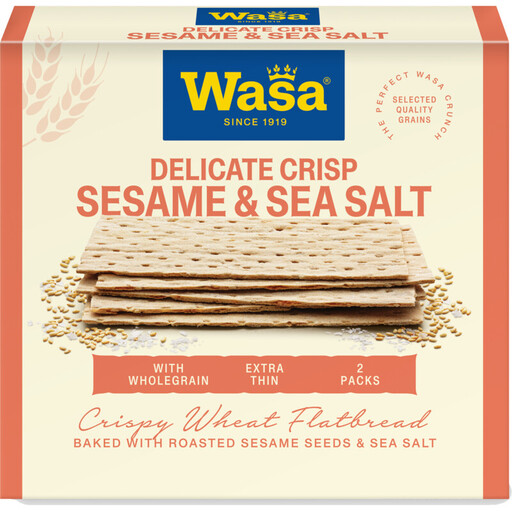 Image unavailable
A sesame cracker to consider if you’re looking for a thin, crunchy base for toppings.
If you have allergies, check the current label for cereals containing gluten and sesame, as well as the warning about possible traces of milk.
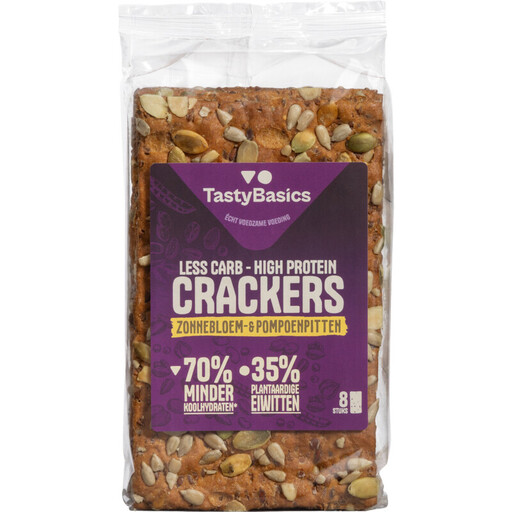 Image unavailable
A seed cracker for anyone looking to put together a sturdier brunch bite rather than a small piece of Melba toast.
Compare the nutritional information per 100 g and per serving if fibre or protein is important to your choice. If you have allergies, check the label for wheat, soya and barley, as well as warnings about possible traces of sesame or milk.
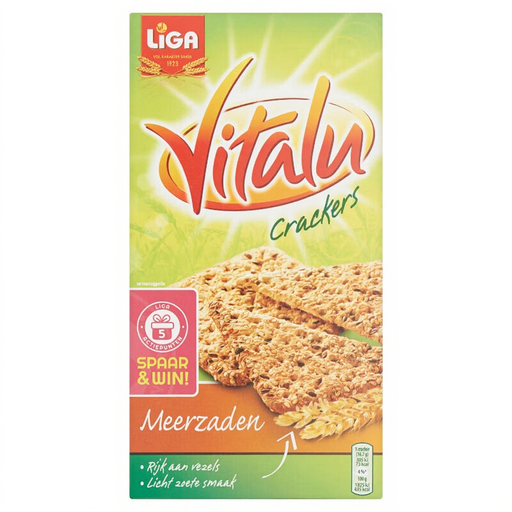 Image unavailable
A multiseed cracker to consider if its size suits your brunch.
Check the size against the toppings you plan to serve. If you have allergies, check the current label for ingredients including egg, sesame, soya, sulphites and wheat, as well as warnings about possible traces of nuts or milk.
 Image unavailable
A cracker to compare if you’re looking for a sturdier alternative to small Melba toast.
Use the nutritional information on the pack to compare products per 100 g. If you have allergies, check the label for sesame and cereals containing gluten, as well as the warning about possible traces of milk.
No. Albert Heijn states that its organic sesame Melba toast contains 5.2 g of fibre per 100 g, but ‘with seeds’ on its own tells you nothing about the nutritional value of another product. Compare the nutritional information per 100 g and the serving you plan to offer.
At the very least, check the current information on the exact pack for sesame and cereals containing gluten. The Albert Heijn and Van der Meulen varieties reviewed also list soya and barley; full allergen information may vary between varieties.
No, you can’t tell that from the word ‘organic’. According to the Netherlands Nutrition Centre, bakers in the Netherlands aren’t required to use baker’s salt. Check the label to see if baker’s salt is listed as an ingredient if it’s relevant to your choice.
Store opened Melba toast in an airtight container and keep it away from moisture. Also check the storage instructions on the packaging of the product you’ve bought.