
Soup lovers looking for fibre and a sesame crunch
If you want to have crispbread with pea soup, you can compare the wholegrain content, sesame and fibre per 100 g. A high sesame content doesn’t, by itself, tell you how much fibre a product contains.


If fibre and sesame are your priorities, Wasa Sesam Crunch Sensation is one option to have with pea soup: according to Wasa, it contains 20 g of fibre and 17 g of sesame per 100 g. If you’re after a lighter wheat crispbread, you could compare it with Wasa Sesam; Albert Heijn lists 11 g of fibre and 9.3% sesame for this variety. Whatever you choose, check the salt content and allergen information on the packaging. A sesame variety isn’t suitable if you need to avoid sesame, and ordinary wheat or rye crispbread isn’t gluten-free.
If you want to have crispbread with pea soup, you can compare the wholegrain content, sesame and fibre per 100 g. A high sesame content doesn’t, by itself, tell you how much fibre a product contains.
If the salt content of your whole meal matters to you, remember to check the crispbread too. Don’t assume that a bread substitute is automatically made with iodised baker’s salt; the Netherlands Nutrition Centre recommends checking the label.
A sesame variety specifically labelled gluten-free is different from ordinary wheat or rye crispbread. Gluten-free doesn’t mean sesame-free, either, so check the allergen information for the product you’re planning to buy.
Start with the ingredients and allergens that matter most to you. Then compare fibre and salt on the same basis, preferably per 100 g. The words ‘with seeds’ don’t tell you how those values compare.
| What to consider | What to check when buying | Who is this important to? |
|---|---|---|
| Fibre and sesame | Compare the fibre per 100 g and check which grains are used and how much sesame is listed in the ingredients. | When I have crispbread with my soup, I want a wholegrain base and a clear sesame flavour, but I also want to know how much fibre it contains. For around 42% of consumers, this would be the main factor in their choice. |
| Salt and baker’s salt | Compare the salt per 100 g and per serving; check the label separately to see whether baker’s salt is listed. | With a meal that includes pea soup, I want to take the salt in the side dish into account without assuming that eating crispbread provides iodine. Salt and this label check would be the top priorities for around 33% of consumers. |
| Gluten and sesame | Read the current allergen information, including any ‘may contain’ warnings; choose a product specifically labelled gluten-free if needed. | If I need to avoid gluten or sesame, suitable ingredient and allergen information matters more than the texture I want. For an estimated 25% of consumers, this check would be the main reason behind their choice. |
The figures vary by product: Wasa lists 20 g of fibre per 100 g for Sesam Crunch Sensation, while Jumbo lists 4.9 g per 100 g for its Knäckebröd Sesam.
Compare the fibre per 100 g and check which grains and seeds are actually in the product.
According to Albert Heijn, gluten-free Wasa Sesame & Sea Salt contains sesame and may contain milk, mustard and soya. Ordinary Wasa sesame varieties contain gluten-containing cereals.
Avoid sesame products if you need to avoid sesame. If you need a gluten-free product, check both the gluten-free label and the full allergen information.
According to the Netherlands Nutrition Centre, bread doesn’t have to be baked with baker’s salt. The product category alone therefore won’t tell you whether iodised baker’s salt has been used in a particular crispbread.
Check the ingredients on the current packaging rather than assuming crispbread contains iodine.
These product ranges show why it’s worth comparing individual varieties: the same brand may offer both ordinary sesame products and a separate gluten-free variety.
Wasa offers, among other products, a wheat variety with sesame, a wholegrain rye variety with sesame and a separate gluten-free sesame variety.
The own-brand range includes a wheat crispbread with sesame, which you can compare with other sesame varieties based on its nutritional values.
Bolletje describes its Luchtig Knäckebröd Sesam as a light sesame variety.
ALDI Netherlands describes Goud Gebakken Knäckebröd Sesam as a light wheat crispbread with sesame.
Ryvita Sesame Crispbread is a rye product with sesame; the composition listed is provided by Ryvita International.
These two Joybuy products are sesame crispbread and a closely related sesame cracker for anyone looking for something crunchy to have with pea soup. If fibre, salt and allergens affect your choice, compare the current packaging for both.
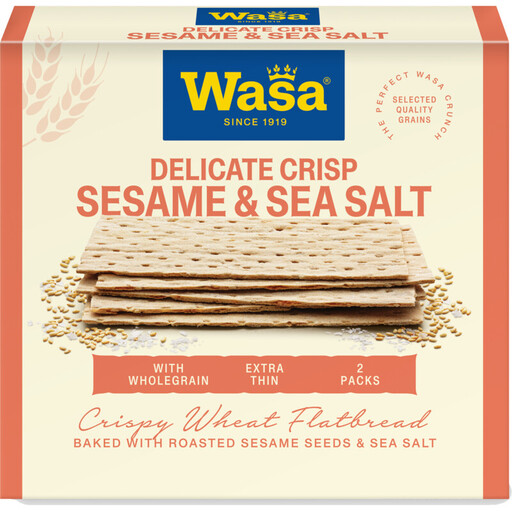 Image unavailable
A sesame cracker to consider with pea soup if you’re looking for a thin option. The pack contains 190 g; check the current allergen information if you need to avoid wheat, barley or sesame.
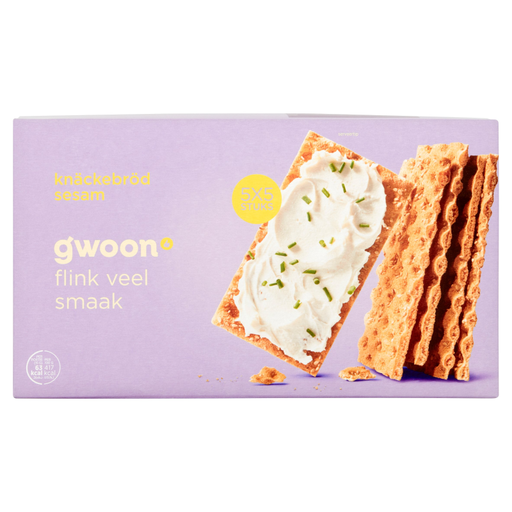 Image unavailable
A sesame crispbread to consider with soup if you’re looking for a pack of 5. Check the current packaging for wheat and sesame, and if you have an allergy, read the information about possible traces of soya too.
No. Sesame or the word ‘crispbread’ on the pack doesn’t confirm the iodine content. According to the Netherlands Nutrition Centre, using baker’s salt when baking isn’t compulsory; check the label to see whether baker’s salt is listed for that product.
Only choose a product specifically labelled gluten-free, and check the current packaging. Albert Heijn lists Wasa Sesame & Sea Salt as a gluten-free sesame variety, but it contains sesame and may contain milk, mustard and soya. According to Wasa, Sesam Crunch Sensation contains gluten-containing cereals.
No. Compare sesame and fibre separately on the label. Wasa lists 17 g of sesame and 20 g of fibre per 100 g for Sesam Crunch Sensation, while Jumbo lists 9.5% sesame and 4.9 g of fibre per 100 g for its Knäckebröd Sesam.
Keep it somewhere dry and seal the pack well once opened. Also follow the storage instructions on the packaging of the product you buy.