
Vandaag of morgen in huis

Kwaliteit gegarandeerd

Welkomstaanbiedingen ontgrendelen: GRATIS bezorging | Tot 80% korting | Gratis 30 dagen JoyPlus-proefperiode
Download de app
Sesame crackers are perfect for breakfast, lunch, with a bowl of soup, with dips or as a crunchy snack with your tea. However, the range varies enormously. One type is a light crispbread with a relatively high fibre content, while another is more of a sweet sesame snack or biscuit.
As Joybuy Product Recommendation Officer, I filter the most important product information in a practical way. This helps you quickly see which sesame crackers, crackers with sesame or black sesame snacks suit your eating occasion.
A packet with sesame on the front may only contain a small amount of sesame seed. Always check the ingredients list and, if available, the percentage indication. In the range, the sesame content varies from 2% in Garden Soda Biscuits to 11.5% in Wasa Thin Crisp Sesame and 12% in Bolletje Light Crispbread Sesame-Free.
A higher percentage doesn’t automatically mean you’ll prefer the taste, but it does give you a better idea of what you’re buying.
Crackers with sesame can contain fibre from wholemeal flour, rye, oats, inulin or added plant-based fibres. Look at the nutritional information per 100g. For example, g'woon Crispbread Sesame contains 6.9g of fibre per 100g, Bolletje Light Crispbread has 7.8g and Wasa Breakfast Biscuits Sesame has 9g.
A sesame biscuit or crunchy sesame snack, on the other hand, can be relatively high in sugar. Zonnatura Sesame Crunch, for instance, lists 42g of sugars per 100g. That makes it more of a sweet snack than a replacement for wholemeal crackers at lunchtime.
Thin crackers are practical for toppings, but can break more easily under a heavy load. Bagel crackers have a firmer bite and are suitable for eating on their own or pairing with cream cheese and hummus. Sweet sesame snacks and biscuits are better suited to a small treat moment than a full meal.
Also pay attention to portion packaging. Individually wrapped products are handy for on the go, but may use more packaging material.
First, look at the first ingredients. If wholemeal flour or wholemeal wheat is listed first, it forms a significant part of the product. According to the product information, Wasa Breakfast Biscuits Sesame contains 49% wholemeal flour and 11% sesame seeds. Wasa Thin Crisp Sesame contains 43% wholemeal wheat and 11.5% sesame seeds.
With Bolletje Sesame Bagel Crackers, the base is wheat flour, with 7.6% toasted sesame seeds. This type is therefore particularly interesting if you’re looking for a crunchy cracker with a distinct sesame flavour, without wholemeal flour being the primary grain ingredient.
Always compare products on the same basis: per 100g. With fibre-rich crackers, look at the fibre content, but also check the sugar, fat and salt. A product with lots of fibre can still be relatively high in fat or salt.
Examples from the available product information:
These figures help you compare products objectively. They don’t tell you which choice is right for you; that depends on taste, portion size and when you plan to eat them.
Sesame is a legally required allergen declaration. Many sesame crackers also contain wheat, gluten, barley, milk, soya, egg or nuts. Always check the actual packaging, especially if you have an allergy or intolerance.
With imported snacks, ingredients and nutritional values may differ from those in British products. For example, Pacific Soda Cracker lists wheat, sesame, barley and the additive E635. Huang Lao Wu Black Sesame Brittle contains sesame and peanuts. The product information for Yanghang Black Sesame Filling Crisp lists wheat, soya, milk and egg, among others.
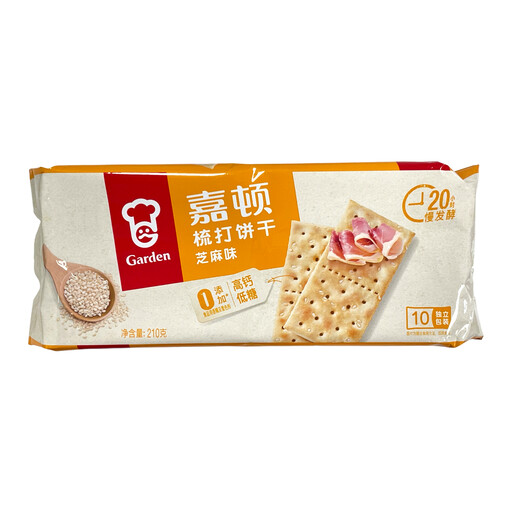
Why this fits the profile: An accessible soda cracker for anyone wanting to try sesame for the first time with dips, soup or as a standalone snack.
The product information states 2% sesame, so the ratio is clear and you can adjust your expectations to a mild sesame flavour.
Light, crunchy texture; 210g pack; suitable for dips, soups and salads.
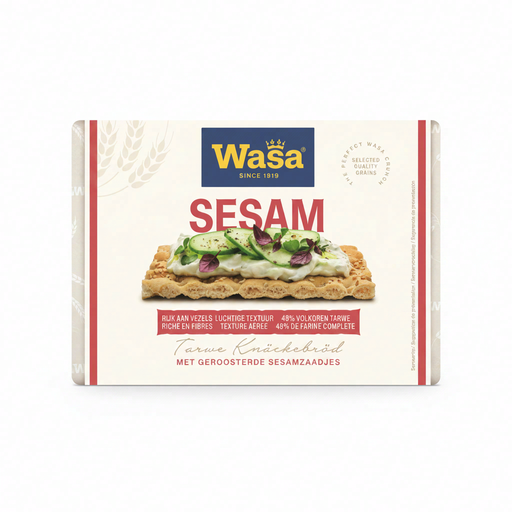
Why this fits the profile: A versatile option for breakfast and lunch, with wholemeal wheat and a clearly stated sesame percentage.
The product description specifies 49% wholemeal flour, 39% wheat flour and 11% sesame seeds, so the grain base remains verifiable.
9g fibre per 100g; 14g protein; works with both sweet and savoury toppings.
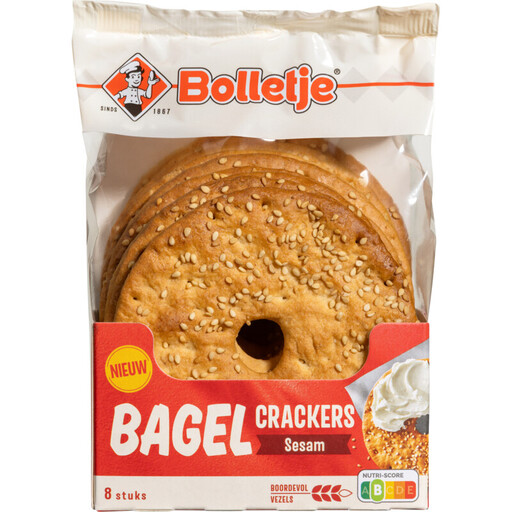
Why this fits the profile: The sturdy bagel shape and toasted sesame suit topped crackers, drinks parties and eating from the hand.
The product information states 7.6% toasted sesame seeds and 6.9g fibre per 100g, rather than just a general flavour claim.
225g content; 455 kcal, 11g protein and 1g salt per 100g; pairs with cream cheese, hummus or jam.
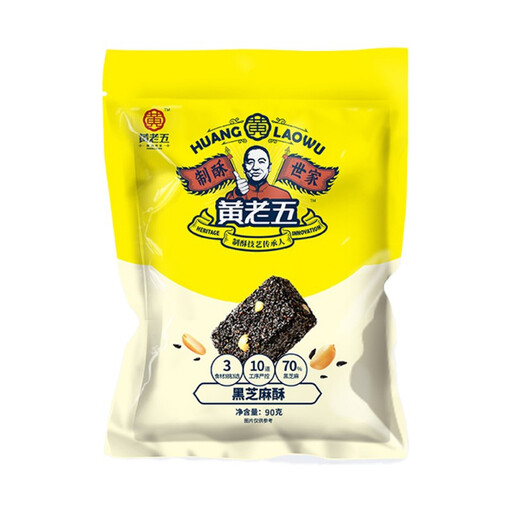
Why this fits the profile: A small, individually wrapped sesame biscuit for with tea or as a sweet snack, not as a standard breakfast cracker.
The product information clearly lists sesame, peanuts, sugar and maltose syrup. This makes its sweet nature obvious upfront.
90g; individually wrapped; 21.9g protein per 100g; suitable for a portion with tea.
We’ve put together a full, up-to-date list of products that fully meet these strict selection criteria and comply with current European safety regulations.
That depends on the type. Wholemeal crackers with sesame, such as Wasa Breakfast Biscuits Sesame or g'woon Crispbread Sesame, are designed as a base for toppings. Combine them with cheese, hummus, quark or vegetable spread, for example. For a full meal, also check the portion size and what you put on top.
Sesame crispbread is usually a dry, thin grain cracker with a crunchy texture. Sesame biscuits and brittle often contain sugar, syrup or maltodextrin and are sweeter. According to the product information, Zonnatura Sesame Crunch consists of 51% sesame seeds, but also contains cane sugar, honey and 42g of sugar per 100g. So use this as a sweet snack, not automatically as a bread substitute.
Store opened sesame crackers and snacks in a cool, dry place, tightly sealed. Moisture will make the texture soft. Follow the date and storage instructions on the packaging. With individually wrapped products, an unopened portion usually stays protected, but always check that the packaging is intact.
