
Vandaag of morgen in huis

Kwaliteit gegarandeerd

Welkomstaanbiedingen ontgrendelen: GRATIS bezorging | Tot 80% korting | Gratis 30 dagen JoyPlus-proefperiode
Download de app
A beautiful sharing board or serving tray might seem simple to choose. Yet many purchases end up disappointing. A product can look spacious in a photo, but in reality be too small for nibbles. Care, portability and material are also not always properly considered. If you compare serving trays and boards on colour or price alone, you might only discover after a few weeks that the product isn't dishwasher-safe or is awkward to store.
With these points in mind, you can make a more informed choice for a serving plate, serving board, snack board, cheese board or tray that suits your household.
A long cheese board looks festive on the table, but needs plenty of space. A serving board measuring 70 x 18 cm is suitable for a long presentation of cheese, tapas and nibbles, but less practical on a small coffee table. So check not just the diameter, but also the height, shape and available storage space.
For a fruit bowl or salad bowl, depth is especially important. A shallow fruit bowl keeps small fruits neatly visible, while a deeper bowl works better for salad, bread or larger portions.
Wood, ceramic, glass and stainless steel all have different properties. A wooden serving tray gives a warm look, but is usually not suitable for prolonged soaking. Glass looks light and neutral, but can break. Porcelain is ideal for a smart table presentation, but needs care with knocks.
A stainless steel plate is practical for families, campers and heavy daily use. Do check whether the product is suitable for the oven, induction hob, microwave or dishwasher. These features are not automatically guaranteed for every metal plate.
"Easy to clean" doesn't always mean dishwasher-safe. Some wooden boards and trays need to be washed by hand and dried immediately. Abrasive sponges can damage a brushed or enamel finish.
Read the care instructions before you buy. That way, you can avoid a cheese board warping, a decorative tray becoming dull, or a hand-finished surface getting damaged.
For everyday use, 304 stainless steel, ceramic and porcelain are practical material choices, depending on what you need them for. With a 304 stainless steel product, the product information usually mentions properties such as corrosion resistance and easy cleaning. That doesn't mean the product is maintenance-free: drying it off helps prevent water spots.
Wooden products such as acacia, bamboo or mango offer a natural look. Pay attention to the finish and check whether the surface is suitable for direct food contact. For a wooden snack board, hand washing is often the recommended method.
Use these guidelines as a starting point:
Also check the weight. A heavy marble or stone serving tray sits steadily, but is less easy to move than a bamboo tray.
A compartment plate keeps different parts of a meal separate. That's handy for children, lunch, picnics and camping. Check whether the plate is suitable for the microwave or oven; a metal compartment plate is not automatically suitable, according to the product information.
A lid protects snacks from dust and makes a nibble tray suitable for presentation. A rotating function can be useful when several guests are sitting around the table. On the other hand, a revolving platter takes up more space and often needs to be washed by hand.
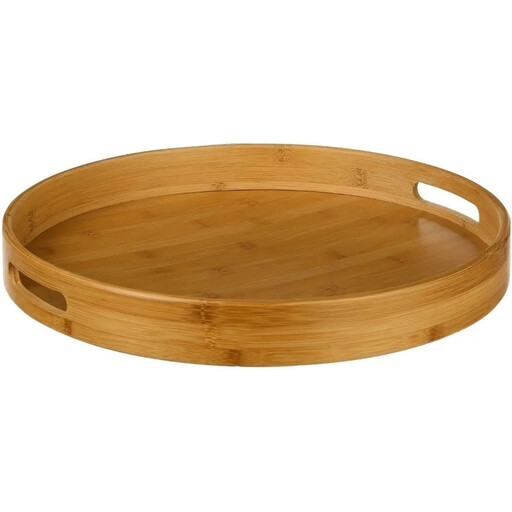
Why this fits the profile: This round tray, 40 cm in diameter, offers space for breakfast, drinks or small nibbles. The handles make it easier to carry, while bamboo and MDF keep the weight to around 650 grams.
The dimensions and handles are clearly described. The product is intended for use with a damp cloth, so you won't expect a dishwasher function that isn't mentioned.
Handles, round shape, 40 cm diameter and FSC certification according to the product information.
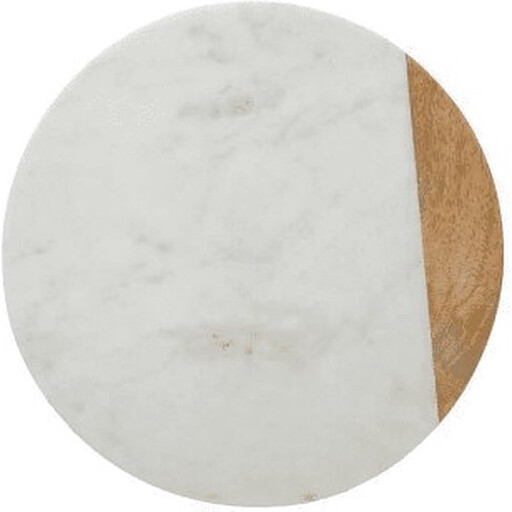
Why this fits the profile: The round platter, 30 cm in diameter, combines a stone-like material with mango wood. The 360° rotation makes snacks accessible to guests on multiple sides of the table.
The combination of diameter, height and rotating function makes its intended use clear. Hand washing is specified, which prevents any wrong expectations about care.
Rotates up to 360°, non-slip according to the product description and a diameter of 30 cm.
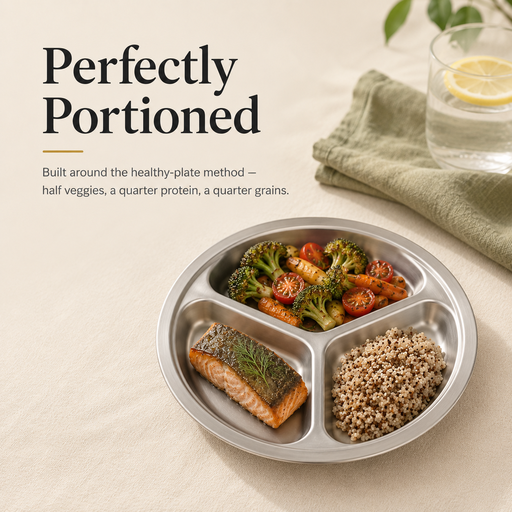
Why this fits the profile: This round compartment plate, 19.5 cm in diameter, comes as a set of two. The three sections are ideal for families, lunch, camping and meals where ingredients need to stay separate.
The sections, diameter, height and set size are all specified. The plate is not suitable for the microwave; that limitation is important for everyday use.
304 stainless steel, three compartments, set of two and dishwasher-safe according to the product information.
We've put together a full, up-to-date list of products that fully meet these strict selection criteria and comply with current European safety regulations.
For a household, trays around 22 to 30 cm are versatile for salad, fruit and nibbles. For a large party or buffet, a bigger tray or several smaller serving plates are more practical. Measure the table and the cupboard where you plan to store the product beforehand.
Usually not, unless the product information explicitly states it does. Wash wood by hand using mild soapy water and dry it immediately. Don't soak a wooden cheese board and avoid abrasive products.
A serving board works well for dry nibbles, cheese, bread and tapas. A serving tray is better suited to salad, fruit, sauces and dishes with moisture. If you often serve different types of food, you can combine both formats.
