
Vandaag of morgen in huis

Kwaliteit gegarandeerd

Welkomstaanbiedingen ontgrendelen: GRATIS bezorging | Tot 80% korting | Gratis 30 dagen JoyPlus-proefperiode
Download de app
A serving tray may seem like a simple product, but choosing the wrong model can quickly become inconvenient. A smooth serving tray without a raised edge allows glasses to slide around. A wooden serving tray that is not moisture-resistant requires a lot of maintenance. And an inexpensive disposable tray is not always sturdy enough for hot or greasy dishes.
The main purchasing pitfalls are usually:
By checking a few key points, you can make it easier to choose a model that suits your household, office, catering business or hobby room.
First, measure the space where you want to use or store the serving tray. A compact model is often sufficient for coffee and cake. For a buffet, tapas or several plates, you need more surface area and a stable raised edge.
Also check:
A serving tray with a raised edge helps keep tableware in place, but can sometimes make it more difficult to position large serving dishes. A flat serving platter is particularly useful for fruit, cake or decoration.
A wooden serving tray adds a warm look, but check whether hand washing is recommended and dry it thoroughly after use. The revolving model from Secret de Gourmet combines stoneware with mango wood and, according to the product description, has a diameter of 30 cm. The platter rotates 360 degrees and features an anti-slip function. The manufacturer recommends hand washing rather than using the dishwasher.
A metal tray is often practical for kitchen or baking use. Pay attention to the finish, any non-stick coating and the permitted heat level. A baking tray is not automatically suitable for a hob, open fire or microwave. Always follow the product instructions when using baking tins.
A silicone tray is flexible and easy to store. This makes silicone suitable for ice cube trays and some baking moulds. However, check whether the product is dishwasher-safe and what temperature range it is designed for.
For meals with several components, a compartment plate can be more practical than a flat serving tray. The sections can keep the main course, side dish and sauce separate, for example. For catering and takeaway meals, disposable models are useful when quick clean-up is important.
Pay attention to the following points:
Do not load a serving tray beyond the limit specified in the product information. With an office organiser, document tray or cutlery tray, food contact is not the main concern; stability, dimensions and easy cleaning are more important.
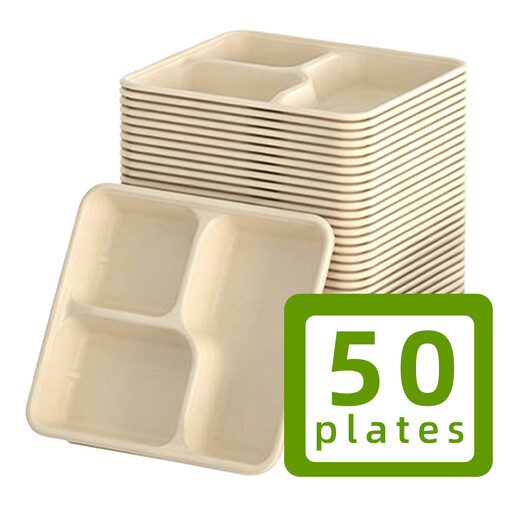
Why this suits the profile: The pack contains 50 plates with three compartments. This is practical for parties, buffets, takeaway meals and catering when serving several guests.
The quantity and size of 21.6 x 23.7 cm are clearly stated. This allows you to assess in advance whether the portions and storage space will be suitable.
Three compartments, a pack of 50 and, according to the product title, oil-resistant and made from sugarcane fibre.
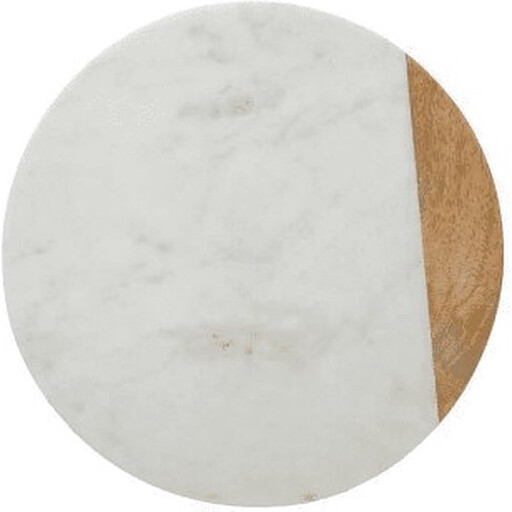
Why this suits the profile: This round revolving serving tray is designed for presentation at the table. It is well suited to dinner parties, drinks and nibbles, and shared dishes.
The 30 cm diameter, 4.5 cm height and hand-washing recommendation make the product's usage limits clear in advance.
Rotates 360 degrees, features anti-slip properties according to the product description, and combines stoneware with mango wood.
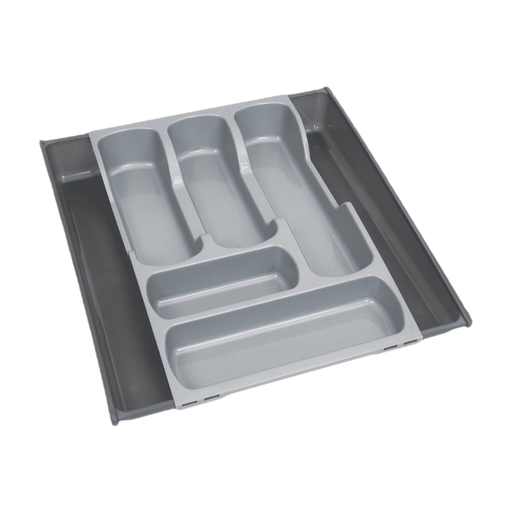
Why this suits the profile: For everyday use in a kitchen with a wide or variable-width drawer, this cutlery tray offers an adjustable layout.
The dimensions of 42 x 30 x 6 cm and the option to expand from five to seven compartments help you measure the drawer accurately in advance.
Adjustable from five to seven compartments, suitable for different drawer widths and easy to clean by hand.
We have put together a complete, up-to-date list of products that fully meet these strict selection criteria and the applicable European safety regulations.
Check whether the product information states that the item is heat-resistant. An ordinary serving tray is not automatically suitable for a hot oven dish. For baking, use a baking tray or baking tin specifically designed for this purpose. Also pay attention to warnings relating to ovens, microwaves, hobs and open fires.
A serving tray is generally designed to carry and move several items. A serving platter is more suited to presenting a single dish, fruit or cake. A revolving serving tray adds a rotating function, while a compartment plate keeps portions separate.
Always follow the manufacturer's care instructions. Wood and combinations of wood and stoneware often require hand washing. Plastic can usually be cleaned with warm water and mild washing-up liquid. Do not use a scouring sponge or harsh cleaning product on coated surfaces. A serving tray used every day remains more practical when it can be dried quickly and thoroughly.
