
Vandaag of morgen in huis

Kwaliteit gegarandeerd

Welkomstaanbiedingen ontgrendelen: GRATIS bezorging | Tot 80% korting | Gratis 30 dagen JoyPlus-proefperiode
Download de app
A stylish serving plate can make a drinks party or dinner feel more organised, but the wrong design can quickly disappoint. A board that’s too small leaves little room for cheese and fruit. A heavy plate can be awkward if you need to carry it from the kitchen to the table. And a material that can only be washed by hand won’t suit everyone.
There are three common pitfalls to watch out for when choosing serving plates:
First, think about what you usually serve. A compact round plate may be enough for a few pastries or desserts. For cheese, cold meats, fruit and dips, a larger rectangular design is more practical.
Look out for:
Also check whether the stated dimensions refer to the whole product. With a rotating design, for example, the diameter may matter more than the height.
The material affects not only the look, but also how practical the plate is for everyday use.
A dishwasher-safe label applies only to the product in question. If you’re unsure, washing by hand is the safest option. Don’t put a serving board in the oven, microwave or fridge unless the product information specifically says it’s suitable.
Think about when you’ll use the plate:
For catering or frequent use, stackability, cleaning, fragility and the number of items per pack are also important. A stylish plate for home isn’t automatically practical for serving food regularly.
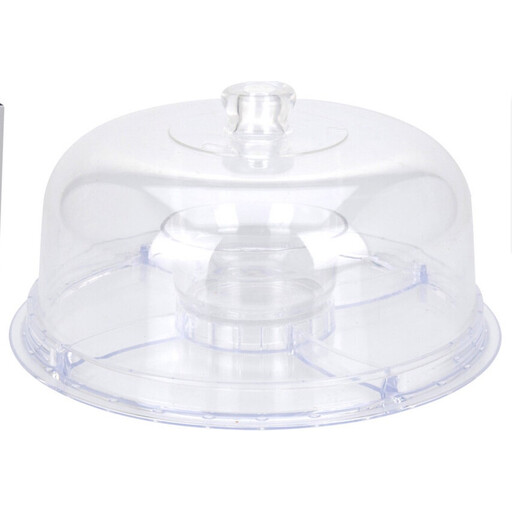
Why it suits this type of user: This 30 cm transparent design is made for cakes, desserts and snacks. The lid makes it practical for keeping food covered at home.
The diameter and height are specified, so you can get a clear idea of how much space is available. It isn’t designed for use in the microwave, oven or fridge.
Transparent plastic, a deep design, a lid included and, according to the product information, dishwasher-safe.
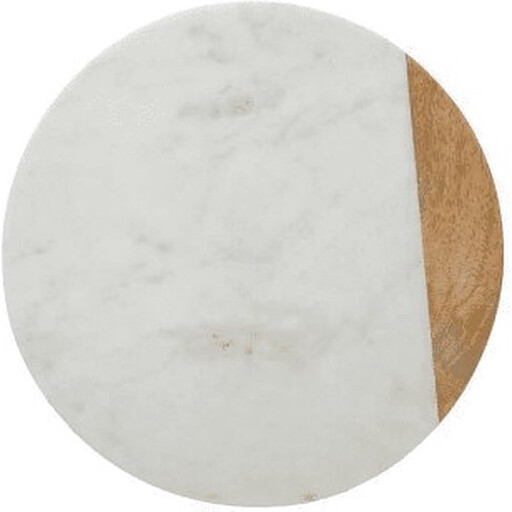
Why it suits this type of user: Ideal for a stylish dinner where several guests want to help themselves to cheese, fruit or desserts at the same time.
The 30 cm diameter makes the available space clear. Made from a combination of stoneware and mango wood, this isn’t a lightweight plastic plate, so place it securely on the table.
Rotates 360°, has a non-slip base and is ideal for sharing.
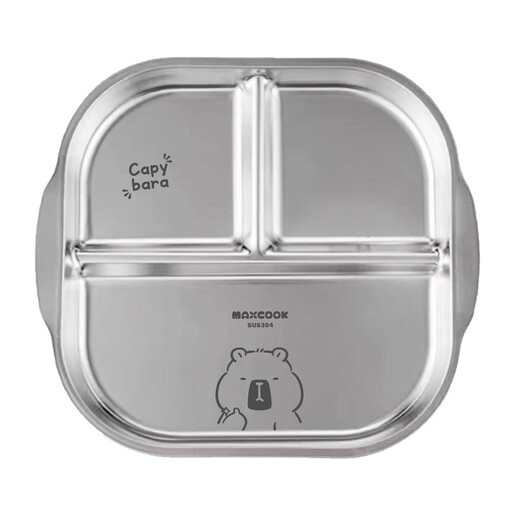
Why it suits this type of user: The three compartments are handy for snacks, sauces and side dishes you want to keep separate.
The compartments stop appetisers from mixing together on a single surface. Don’t use the plate in an oven or microwave unless the manufacturer specifically says it’s suitable.
304 stainless steel, three compartments and dimensions of approximately 24 x 22 cm.
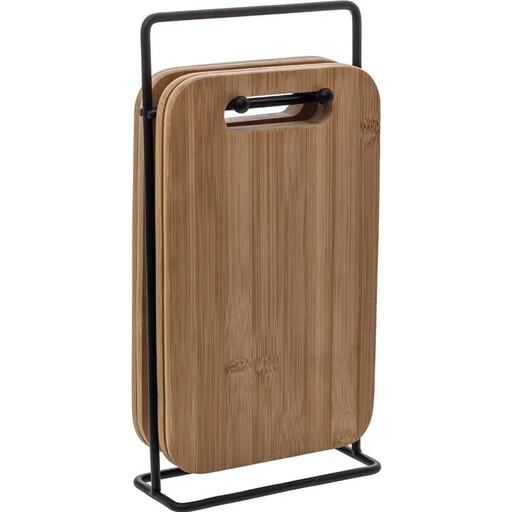
Why it suits this type of user: Four individual bamboo boards with a metal holder are handy for serving individual portions at a drinks party or tapas night.
The four boards can be stored together in the holder. Hand-washing and occasional treatment with vegetable oil are recommended, so the care requirements are clear from the outset.
Four bamboo serving boards, a metal holder, a handle and a compact design measuring 15 x 6,5 x 26 cm.
We’ve put together a complete, up-to-date list of products that meet these strict selection criteria and current European safety regulations.
It depends on the number of guests and the appetisers you’re serving. A bamboo serving board works well for cheese, bread and cold meats. For a variety of small snacks, a tapas board or a plate with compartments is more practical. Check the length and width beforehand, so you don’t have to pile too much food onto a small surface.
Not always. Plastic designs may be dishwasher-safe, while bamboo and wood usually need to be washed by hand. You should also follow the product information for stoneware or porcelain. If there are no clear instructions, wash the plate by hand with mild washing-up liquid and dry it straight away.
Wash the board by hand, don’t leave it to soak for a long time and dry both sides thoroughly. If recommended in the product information, you can occasionally treat the surface with suitable food-safe oil. Don’t use a bamboo serving board as a chopping board unless this is specifically stated as one of its uses.
