
Vandaag of morgen in huis

Kwaliteit gegarandeerd

Welkomstaanbiedingen ontgrendelen: GRATIS bezorging | Tot 80% korting | Gratis 30 dagen JoyPlus-proefperiode
Download de app
A serving bowl may seem like a simple purchase, but the wrong model can quickly prove impractical. A bowl that looks beautiful in a photo may not fit in your kitchen cupboard. A wooden serving bowl may be less suitable for the dishwasher, while a low serving board may not keep sauces or loose appetisers securely in place.
That is why you should look beyond colour and design. Size, material, care requirements and intended use determine whether a serving bowl is suitable for everyday use, entertaining guests or a celebratory drinks spread.
A decorative piece of tableware can be attractive, but not every product is suitable for hot dishes, the microwave or intensive use. Always check the product information. Some models explicitly state that they are not oven- or dishwasher-safe.
A salad bowl measuring approximately 21 to 25 cm is useful for a small household, fruit or a side dish. For a large salad or a table with several guests, a larger bowl or serving tray may be more practical. Also consider the height: a deep bowl is suitable for salad, fruit or bread, while a flat serving plate works better for appetisers, sushi and pastries.
Wood, slate, ceramic, porcelain and plastic each require a different approach. A wooden serving bowl or grazing board is generally not suitable for the dishwasher. With porcelain and ceramic, you should also consider the risk of breakage, chips and thermal shock. Before buying, check whether hand washing, a damp cloth or the dishwasher is recommended.
Measure the available space on the table and in the cupboard beforehand. A round fruit bowl of approximately 23 cm takes up less room than a long serving board measuring 70 cm. For a salad for several people, the diameter is not the only important factor: capacity and height matter too.
Pay attention to these points:
Only use a product in the way specified by the manufacturer. A model sold as dishwasher-safe can be treated differently from a wooden board that should be cleaned with a dry or slightly damp cloth. Also check whether BPA-free materials, non-slip feet and warnings about fragility are mentioned.
According to the product information, various models come with a statutory minimum two-year guarantee under EU consumer rules. The precise guarantee conditions and any additional rights may vary depending on the product and the applicable national legislation.
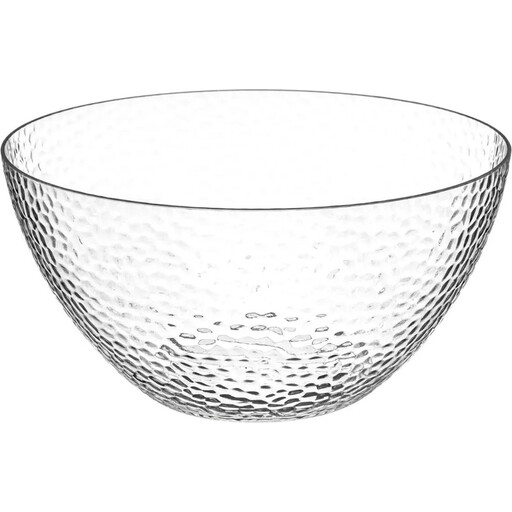
Why it suits this profile: The lightweight plastic bowl is suitable for salads, fruit and appetisers, both indoors and outdoors. With a capacity of 2.6 litres, it offers plenty of room for a generous salad or a dish to share.
At just 230 grams, the bowl is easy to move. The product information states that it is dishwasher-safe, so hand washing is not essential.
Transparent plastic, a diameter of 25 cm, a height of 13 cm, and suitable for indoor and outdoor use.
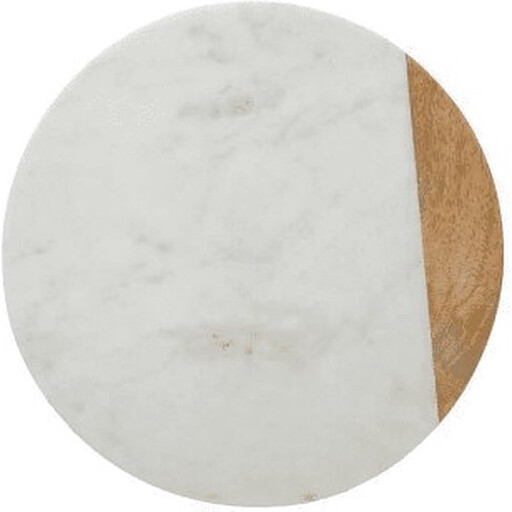
Why it suits this profile: This round serving board combines a white surface with mango wood and rotates 360 degrees. That is practical when several guests at the table want to help themselves to different appetisers.
The non-slip feature helps prevent the board from shifting. The hand-wash instructions make it clear that this is not a product for a quick cycle in the dishwasher.
A diameter of 30 cm, 360° rotating function, non-slip design, and a construction made from stoneware and mango wood.
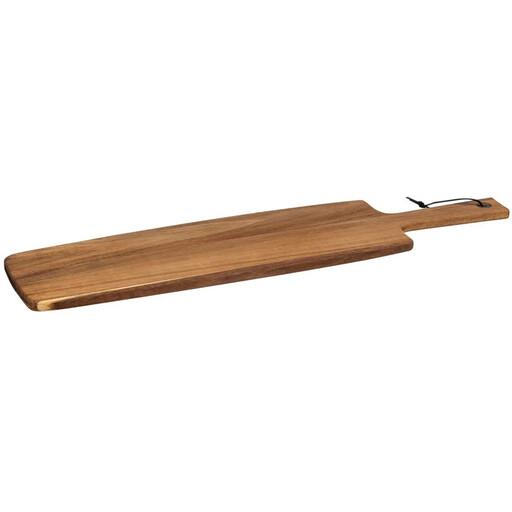
Why it suits this profile: The long acacia wood serving board is designed for cheese, tapas, bread and nibbles. At 70 cm long, it provides plenty of space for an impressive presentation when entertaining.
The rectangular shape makes good use of the table’s length. The product information states that the board is not dishwasher-safe, so you can plan for hand cleaning in advance.
Acacia wood, measuring 70 x 18 cm, not fragile according to the product details, and suitable for various types of appetisers.
We have put together a complete, up-to-date list of products that fully meet these strict selection criteria and the applicable European safety regulations.
A serving bowl does not have to be made from the same material or be the same colour as the rest of your tableware. For example, a white porcelain bowl pairs beautifully with a wooden serving board. A dark slate board can provide striking contrast against white tableware.
For a complete table setting, consider:
When choosing a gift, for example for a housewarming, look for neutral colours and versatile functionality. A bowl or board that can be used both for appetisers and as decoration will suit a wider range of interiors.
Choose a bowl with sufficient capacity and a rim high enough to mix the ingredients. For a small household, a model measuring approximately 21 to 25 cm may be sufficient. For several people, a larger salad bowl or a model with a stated capacity is more practical.
This varies by product. According to the product information, the transparent plastic bowl mentioned above is dishwasher-safe. The stoneware and mango wood rotating board must be washed by hand. A wooden serving board is also not suitable for the dishwasher. Always check the care instructions for the specific product.
Lifespan depends on use, care and storage. Wood needs protection from prolonged moisture, while ceramic, porcelain and slate can be fragile. Plastic is lightweight and practical, but may be more prone to scratches. Choose the material that suits how often you use the serving bowl and how much maintenance you are happy to carry out.
