
Vandaag of morgen in huis

Kwaliteit gegarandeerd

Welkomstaanbiedingen ontgrendelen: GRATIS bezorging | Tot 80% korting | Gratis 30 dagen JoyPlus-proefperiode
Download de app
Dark spots, pigmentation and acne marks can make your complexion look uneven. A serum for dark spots may seem like a logical addition to your routine. However, it is not wise to rely solely on words such as “glow”, “radiance” or “brightening”. The formula, concentration and usage instructions determine whether a product suits your skin and routine.
A percentage of niacinamide or vitamin C does not tell you everything about how a product feels to use. A high concentration may be less comfortable for some skin types, particularly if you already use several active products. So also look for soothing and hydrating ingredients such as panthenol, glycerine, centella asiatica or hyaluronic acid.
Terms such as “reduces pigmentation” or “restores the skin” often come from product marketing. A brand may report certain visible effects based on its own research, but that does not make them predictable for every user. So focus primarily on the INCI list, size, texture and safety warnings.
A serum for hyperpigmentation is not a substitute for sun cream. Exposure to UV radiation can make discolouration more noticeable. Use a broad-spectrum sunscreen during the day and follow the instructions on the packaging. This is particularly relevant when using formulas containing vitamin C derivatives, acids or other active ingredients.
A light gel or watery texture works well under a day cream and sun protection. A milky or richer formula may feel more comfortable on dry skin. If your skin often feels tight, look for glycerine, panthenol, ceramides or hyaluronic acid.
Also look out for potential fragrances, alcohol and exfoliating ingredients. A fragrance-free product is not automatically suitable for everyone, but it may be a straightforward choice if you want to keep your routine gentle and simple.
Vitamin C derivatives and other active ingredients can be sensitive to light and heat. Store a serum according to the manufacturer’s instructions and check the expiry information on the packaging. A pipette, pump bottle or dispensing cap can also help to reduce waste and unnecessary contact with the formula.
When trying a new product, first carry out a patch test on a small area of skin. Stop using it if redness, itching, swelling or a burning sensation persists, and ask a doctor or pharmacist for advice if you are unsure.
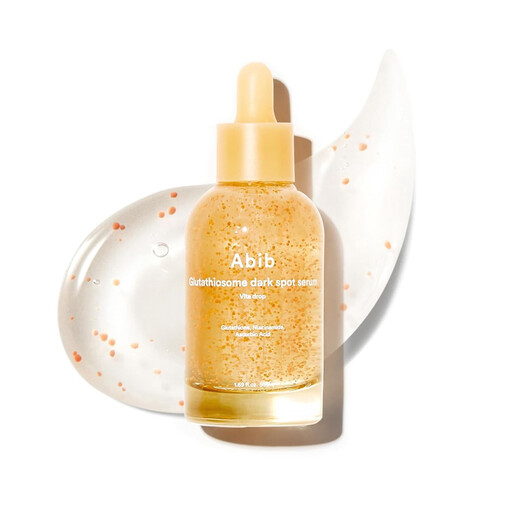
Why it suits this profile: A straightforward choice for anyone who wants to add a serum for dark spots without creating a lengthy routine. According to the product description, its lightweight texture is suitable for daily use.
The formula lists glutathione microbeads and a fast-absorbing texture, so you do not have to choose based solely on a marketing term.
50 ml; lightweight, non-sticky texture; glutathione listed as a formula ingredient.
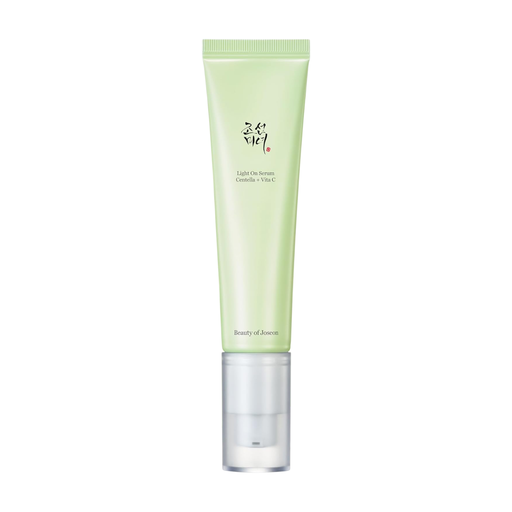
Why it suits this profile: Ideal for fans of a Korean skincare serum routine who want a lightweight formula combining centella asiatica and a vitamin C derivative.
The ingredient list specifically names 3-O-Ethyl Ascorbic Acid, glycerine, centella and hyaluronic acid. This lets you assess the formula rather than simply following the glow promise.
30 ml; centella asiatica and a vitamin C derivative; contains glycerine and several forms of hyaluronic acid.
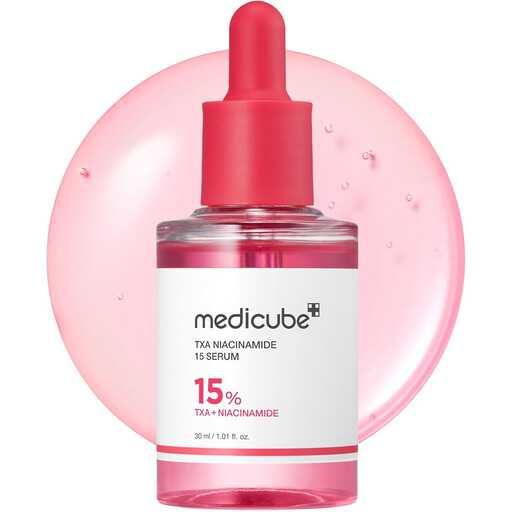
Why it suits this profile: Designed for users who want to compare formulas containing niacinamide and tranexamic acid for an uneven complexion.
The stated percentages are clear: 15% niacinamide and tranexamic acid. Introduce it gradually and do not combine it thoughtlessly with other concentrated active serums.
30 ml; 15% niacinamide; contains tranexamic acid according to the product description.
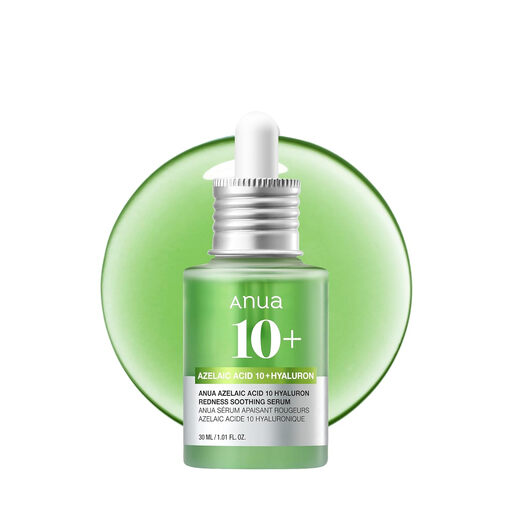
Why it suits this profile: An option for anyone looking for a serum for acne marks while also wanting to focus on hydration and a calm-looking complexion.
The usage instructions recommend starting once or twice a week. This helps prevent you from adding too many active ingredients at once.
30 ml; 10% azelaic acid; contains panthenol, allantoin, centella and ceramide NP.
We have put together a complete, up-to-date list of products that fully meet these strict selection criteria and the applicable European safety regulations.
Look for a formula containing vitamin C derivatives, niacinamide or tranexamic acid. Start with one active serum and give your skin time to adjust. A serum for an even complexion works best as part of a routine that includes gentle cleansing, moisturiser and daily sun protection.
That depends on the ingredients. A simple hydrating or light brightening formula may be used daily according to the product instructions. With 10% azelaic acid, spicule formulas or high concentrations of niacinamide, gradual introduction is the wiser approach. Always follow the label and stop using the product if irritation occurs.
Check the expiry date and the period after opening stated on the packaging. Store the product in a cool, dry place away from direct sunlight when recommended. The contents, colour or scent may change if a formula is stored incorrectly. Stop using a serum if it develops a noticeably unusual smell or appearance.
