
Vandaag of morgen in huis

Kwaliteit gegarandeerd

Welkomstaanbiedingen ontgrendelen: GRATIS bezorging | Tot 80% korting | Gratis 30 dagen JoyPlus-proefperiode
Download de app
Blocked pores, blackheads, blemishes and a shiny T-zone require more than eye-catching packaging. A serum for blocked pores can be part of a good skincare routine, but the wrong product may cause dryness, stinging or additional irritation. This is particularly important for oily, combination or blemish-prone skin, so check the ingredients list, concentration and recommended frequency of use.
Pores do not disappear permanently because of a serum. However, a product may help make excess sebum, dead skin cells and impurities less visible. This can temporarily leave the skin looking smoother or more refined. Pay attention to what is actually in the formula rather than focusing solely on terms such as “pore minimising” or “clear skin”.
An AHA BHA PHA serum may contain several acids. AHAs, such as glycolic acid, work mainly on the skin’s surface. BHA, often salicylic acid or betaine salicylate, is used in formulas designed for skin with blackheads and excess sebum. PHA, such as gluconolactone, is generally a gentler exfoliating option.
Using several acids at once is not automatically more effective. Do not combine an exfoliating face serum thoughtlessly with a strong peel, retinol or another active treatment.
Oily skin can also be dehydrated or sensitive. Alcohol, fragrance, essential oils and high concentrations of acids may cause some users to experience tightness or a burning sensation. Always check the full INCI list and test a new product on a small area of skin first.
A salicylic acid serum is a logical choice when blackheads, sebum and impurities are the main concerns. BHA is often used in products for the T-zone, nose and chin. Its effects and tolerability vary depending on the formula and the individual, so always follow the label.
Glycolic acid, lactic acid and other AHAs are used to loosen dead skin cells on the skin’s surface. This may be suitable for rough skin texture or visible dullness. Introduce an AHA product gradually and use sun protection during the day.
A PHA serum is worth considering if you are looking for a milder exfoliating product. In many formulas, gluconolactone has a larger molecular size than some AHAs, meaning the product is described as working less deeply. This does not mean irritation is impossible.
A niacinamide serum may suit a routine for shiny skin, visible pores and an uneven complexion. Product information often describes niacinamide as being combined with hydrating or soothing ingredients.
An azelaic acid serum is another option for blemish-prone skin with visible redness or marks. A formula containing 10% azelaic acid may tingle at first. Introduce it gradually and do not apply it to damaged or sunburnt skin.
Skin type and tolerance
Choose a serum for oily skin if sebum and shine are your main concerns, but if you have sensitive skin, also check for fragrance, alcohol and essential oils.
Acid type and frequency
Check whether the formula contains AHA, BHA, PHA or a combination. “Daily use” in a product description does not mean that daily use is suitable for every skin type. It is better to start every few days.
Size and packaging
A 30 ml bottle is convenient for trying out a formula. A 50 or 100 ml pack may offer better value with regular use, but only if the product suits your skin and can be used before its expiry date.
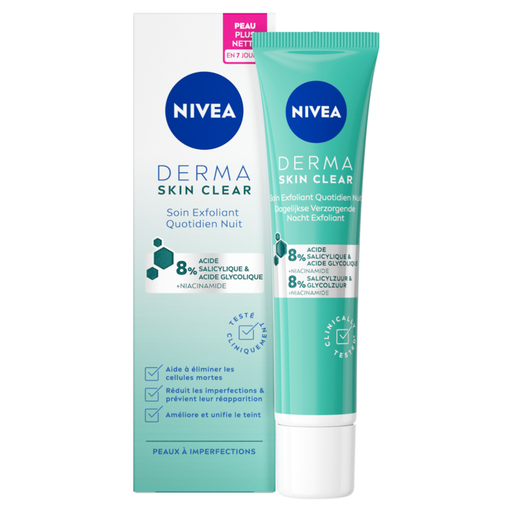
Why it suits this profile: According to the product description, the formula combines 8% AHA/BHA with niacinamide in a 40 ml pack. This makes it a straightforward choice for anyone looking to build an evening routine.
The ingredients and concentration are clearly stated in the product information. However, use it less frequently than daily at first if your skin is not yet accustomed to acids.
AHA, BHA and niacinamide; 40 ml; vegan according to the product description. Sun protection is required during the day.
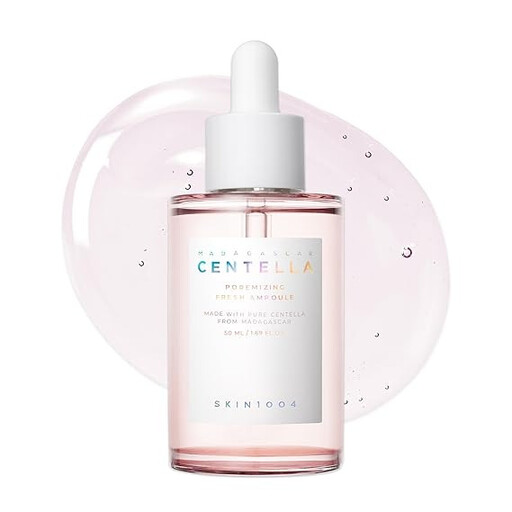
Why it suits this profile: According to the product information, this Korean skincare ampoule has a lightweight texture, Madagascar Centella Asiatica, pink salt and three types of hyaluronic acid. This makes it suitable for anyone who wants to combine refinement with hydration.
The formula is not based on a strong combination of acids. This makes it a practical option for users primarily looking for a hydrating pore-refining serum.
50 ml; lightweight, non-sticky texture according to the product description; contains Centella, panthenol and hyaluronic acid.
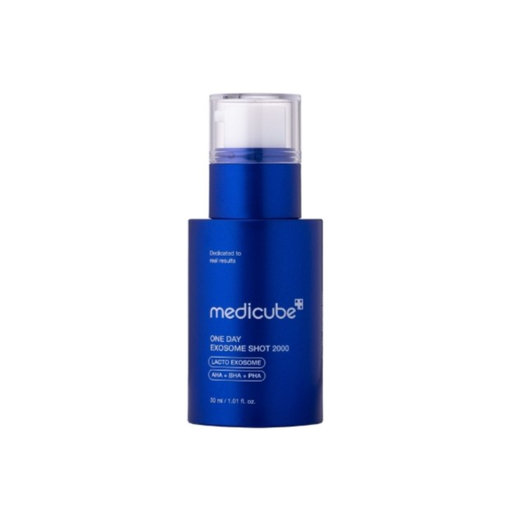
Why it suits this profile: According to the product description, this serum combines hydrolyzed sponge, niacinamide, AHA, BHA and PHA. The formula is intended for users who want to address several skin texture and pore concerns in a single evening routine.
The product information states that slight tingling is possible and recommends introducing it gradually for sensitive skin. Do not combine it with retinol in the same routine.
30 ml; combination of AHA, BHA, PHA and niacinamide; evening use according to the product information.
Cleanse your skin gently and apply the serum to dry skin unless the label states otherwise. Start with one or two evenings a week when using an exfoliating face serum. Follow with a simple moisturiser. During the day, a broad-spectrum sunscreen should be part of your routine, especially when using AHA and BHA products.
Do not use several exfoliants at the same time and stop using the product if you experience persistent redness, swelling, itching or a burning sensation. A cosmetic serum is not a substitute for medical treatment in cases of severe or persistent acne.
We have put together a complete, up-to-date list of products that fully meet these strict selection criteria and the applicable European safety regulations.
Usually not. The appearance of pores, blackheads and uneven skin texture generally changes gradually. Use the product consistently according to the label and only assess whether the formula suits you after a few weeks.
This depends on the ingredients and your skin’s tolerance. When using AHA, BHA or PHA, start once or twice a week. A hydrating ampoule without strong acids can often be introduced more easily, but always follow the product instructions.
Not necessarily. Oily skin can react sensitively to acids, fragrance or alcohol. If in doubt, choose a simple formula with hydrating and soothing ingredients, test it locally first and introduce only one new active product at a time.
