
Vandaag of morgen in huis

Kwaliteit gegarandeerd

Welkomstaanbiedingen ontgrendelen: GRATIS bezorging | Tot 80% korting | Gratis 30 dagen JoyPlus-proefperiode
Download de app
Spots, redness and pigmentation don’t always call for the same product. A serum for spots and pigmentation can address several skin concerns, but the formula needs to suit your skin type and routine. This is especially important if you have oily, combination or sensitive skin: don’t take marketing claims at face value.
A serum containing niacinamide, tranexamic acid, acids, vitamin C and azelaic acid might sound appealing, but several potent ingredients can upset your skin. This is particularly true if you also use an exfoliant or retinoid. Start with one targeted formula, and only consider adding a second product later.
A 10% niacinamide serum or a 10% azelaic acid serum may suit certain routines, but concentration isn’t everything. The overall formula, texture and frequency of use all affect how comfortable a serum feels on your skin. If you have sensitive skin, it’s often wiser to introduce a product gradually than to apply a lot every day.
Words such as “brightening”, “pore-refining” and “soothing” describe what a product aims to do, not a guaranteed result. According to some brands’ product descriptions, centella asiatica may help skin feel more comfortable, while tea tree and niacinamide are often chosen for blemish-prone skin. If you experience persistent irritation, swelling or a strong burning sensation, stop using the product and seek professional advice.
Choose an ingredient based on your main skin concern:
A short product name doesn’t tell you whether a formula is right for you. Check the packaging for fragrance, alcohol, oils and any ingredients you’ve reacted to before. Also check the period after opening, batch information and storage instructions.
Cosmetics sold on the EU market should include an ingredients list, directions for use and details of the responsible person on the packaging, among other information. Always check the current packaging, as ingredients can change.
A watery ampoule can sit comfortably under a moisturiser, while a richer serum may suit drier skin better. A 30 ml bottle is handy for everyday use; a 9 or 15 ml size can be a good way to try a formula first.
Apply a new product to a small area of skin first. Use active serums according to the product instructions, avoid applying them to damaged skin and wear sun protection during the day. This is particularly important if you’re addressing visible pigmentation or using a serum for acne scars.
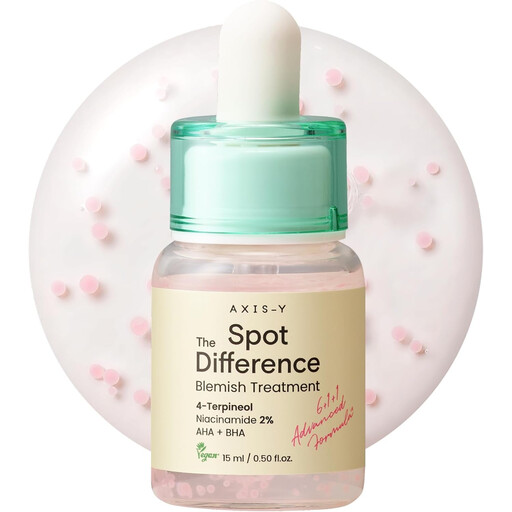
Why it suits this profile: The compact size is practical for targeting a few blemishes and trying out a formula first.
According to the product description, the formula focuses on individual blemishes rather than combining several strong acids.
According to the product information, it contains 2% niacinamide, tea tree extract, 4-terpineol and ceramide capsules; 15 ml.
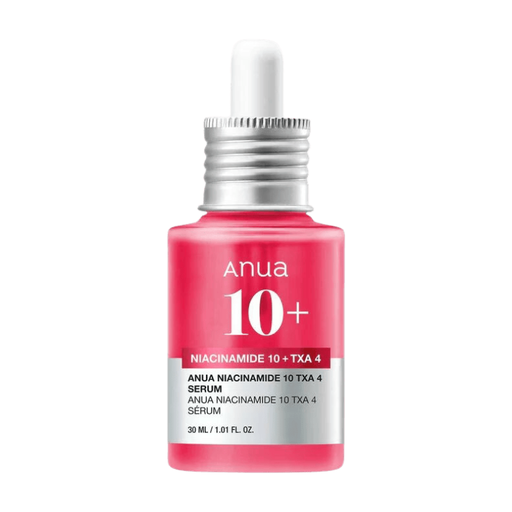
Why it suits this profile: A good fit if you’re looking for one serum to address uneven skin tone and visible marks as part of a combination routine.
The percentages of niacinamide and tranexamic acid are clearly stated, so you don’t have to rely on terms such as “brightening” alone.
Contains 10% niacinamide, 4% tranexamic acid, alpha-arbutin and hyaluronic acid; the bottle contains 30 ml.
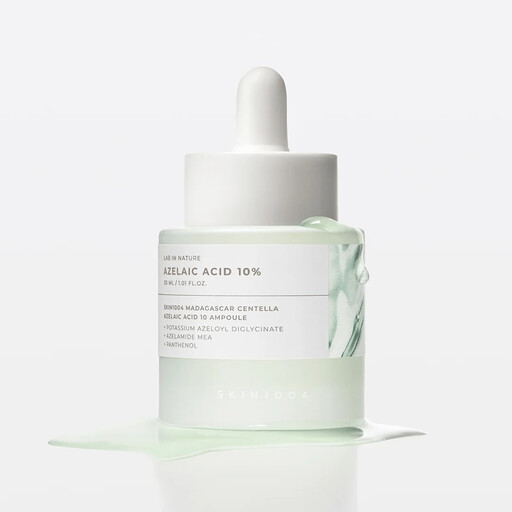
Why it suits this profile: Suitable if you want to introduce an azelaic acid serum carefully and can follow the usage instructions closely.
The usage information recommends starting with a small amount every other day. This helps you avoid applying it too often from the outset.
Contains 10% azelaic acid, panthenol, allantoin, centella asiatica and hyaluronic acid; 9 ml.
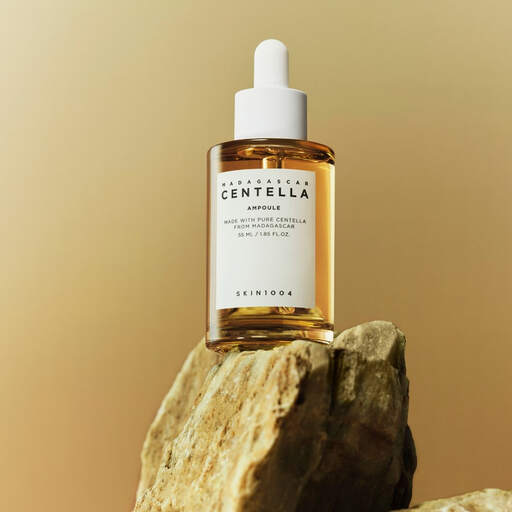
Why it suits this profile: A generously sized centella ampoule for anyone looking for hydration and a simple routine that layers easily with other products.
The formula focuses more simply on centella and moisturising care, so you need fewer different active products at the same time.
The product description identifies centella asiatica as the key ingredient; it contains 100 ml and has a texture designed for daily use.
We’ve put together a complete, up-to-date list of products that meet these strict selection criteria and current European safety regulations.
It depends on your priority. A formula with niacinamide may suit oily or combination skin. Azelaic acid is often chosen for blemishes and visible redness, while tranexamic acid is worth considering for uneven skin tone. Ideally, start with one key active ingredient.
Follow the instructions on the packaging. Some serums are suitable for daily use, but it may be best to introduce active formulas gradually. Test the product on a small area of skin first and stop if irritation persists.
It depends on the size, how often you use it and whether you apply it to your whole face or just problem areas. A 30 ml bottle will generally last longer than a mini size with daily use, but always check the recommended amount and the period after opening.
