
Vandaag of morgen in huis

Kwaliteit gegarandeerd

Welkomstaanbiedingen ontgrendelen: GRATIS bezorging | Tot 80% korting | Gratis 30 dagen JoyPlus-proefperiode
Download de app
Spots, redness and dark marks do not always call for the same product. An acne serum, for example, may contain ingredients aimed primarily at clogged pores, while a serum for post-acne marks is more likely to target an uneven complexion. Yet these goals are often brought together in one promising package.
As a Joybuy Product Recommendation Officer, I filter product information based on verifiable features such as active ingredients, concentration, size and directions for use. This makes it easier to see which serum suits your skin and helps you avoid a disappointing purchase.
A serum may contain dozens of plant extracts, vitamins and acids. That does not automatically make it suitable for oily or sensitive skin. First, look at the key active ingredients, then check for potential fragrance ingredients, essential oils and exfoliating components.
Niacinamide, azelaic acid and salicylic acid are available in different strengths. A higher concentration may sound appealing, but it often requires a gradual introduction. For sensitive skin, introducing products slowly is more important than using as many active ingredients as possible at once.
Dark marks may remain more visible when the skin is exposed to UV radiation every day. Product information from several brands therefore recommends sun protection when using brightening actives. This does not guarantee a particular result, but it is a practical part of a routine for an uneven complexion.
An azelaic acid serum is worth considering if you want to target both blemishes and visible redness or post-acne marks. The reference products from SKIN1004 and ANUA contain 10% azelaic acid. ANUA also lists panthenol, allantoin, niacinamide, ceramide NP and hyaluronic acid among its ingredients.
According to the product information, 10% azelaic acid may cause a tingling sensation, dryness or pilling. Start with a small amount and use it just once or twice a week at first. Do not apply it to damaged, irritated or sunburnt skin.
A niacinamide serum is often suitable for consumers who want to address sebum, visible pores, a dull complexion or post-acne marks as part of their routine. The products in this selection contain, among other strengths, 2%, 10% or 15% niacinamide.
Consider your routine as a whole: a serum with 15% niacinamide is not automatically the most practical choice for a beginner. Do not combine several strong serums straight away. Choose one active product, test it on a small area of skin and only assess after a few weeks whether the texture and application remain comfortable.
Salicylic acid is a commonly used ingredient in a serum for blemish-prone skin and in spot treatments. Murad lists 2% salicylic acid in the Deep Relief Blemish Treatment. The AHA 2 BHA 2 Spot Treatment Serum lists 2% AHA and 2% BHA in its product description.
It is best to use this type of product sparingly and on targeted areas if your skin becomes dry or sensitive easily. Avoid using several exfoliants on the same area at the same time. A spot treatment is also different from a serum for the whole face: the packaging and directions for use determine how widely you should apply the product.
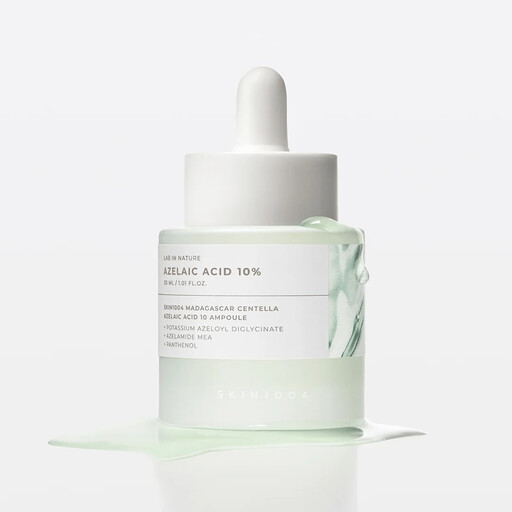
Why it suits this profile: The ampoule contains 10% azelaic acid and comes in a compact 9 ml size, allowing you to start with targeted use without immediately buying a larger format.
The concentration and instructions for building up usage are clearly stated. You do not have to guess how to introduce the product.
Azelaic acid, panthenol, glycerine and centella extract; suitable for gradually building up usage.
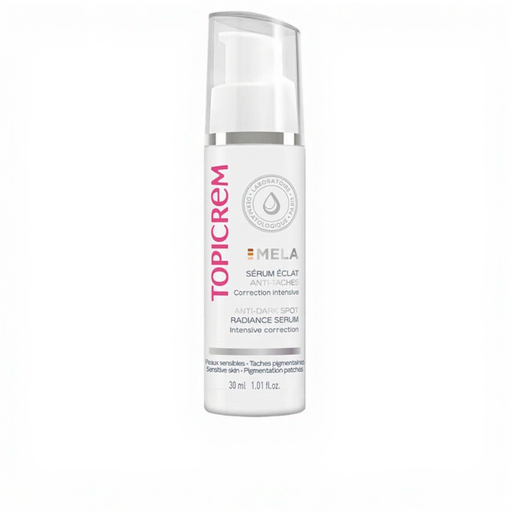
Why it suits this profile: According to the product information, this serum targets dark marks and is suitable for sensitive skin. It can be applied in the morning and/or evening.
The focus is on pigmentation, rather than making a general promise to address every skin concern. According to the manufacturer, the product claims are also supported by dermatological and ophthalmological testing.
30 ml size; niacinamide, gluconolactone and 3-O-ethyl ascorbic acid in the ingredients list.
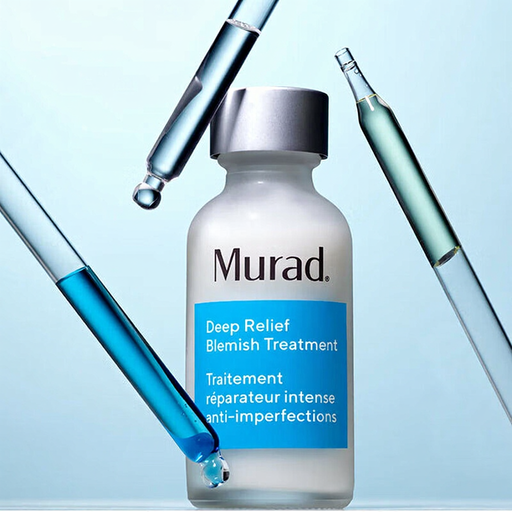
Why it suits this profile: According to the product description, this gel is intended as a targeted treatment for persistent blemishes and contains 2% salicylic acid.
Because it is a spot treatment, you can apply it precisely instead of spreading an exfoliant unnecessarily over the whole face.
2% salicylic acid; lightweight, fast-absorbing gel; 30 ml packaging with precision applicator according to the product information.
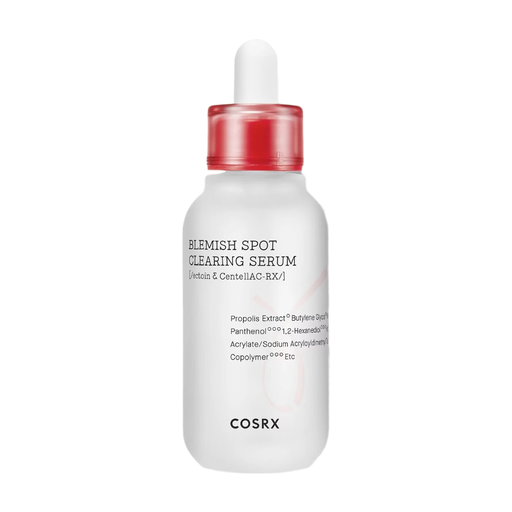
Why it suits this profile: According to the product information, the formula combines propolis, 4% niacinamide and centella ingredients for a routine focused on spots and visible post-acne marks.
The product description specifies how to use it and recommends an amount of two to three drops. This helps prevent over-application and unnecessary combinations.
40 ml size; 4% niacinamide; panthenol, allantoin and ceramide NP in the ingredients list.
We have put together a complete, up-to-date list of products that fully meet these strict selection criteria and the applicable European safety regulations.
If dark marks are your main concern, look for a serum for pigmentation containing ingredients such as niacinamide, azelaic acid or vitamin C derivatives. For recurring clogged pores, a salicylic acid serum may be the more obvious choice. A serum for sensitive skin requires extra attention to fragrance, essential oils and frequency of use.
First, check the full ingredients list and choose a product that you can introduce gradually. Azelaic acid may be an option, but the products mentioned also recommend carrying out a patch test and introducing them slowly. Stop using the product if irritation persists.
This depends on the formulation and your skin’s tolerance, but it is best not to start with both at the same time. For example, use one serum for several weeks first. This makes it easier to assess which product feels comfortable and identify the source of any reaction.
Follow the expiry date and the period after opening stated on the packaging. Store the serum in a cool, dry place away from direct sunlight, and close the packaging securely after each use. Has the smell, colour or texture changed? Check the packaging first and do not simply continue using the product.
