
Vandaag of morgen in huis

Kwaliteit gegarandeerd

Welkomstaanbiedingen ontgrendelen: GRATIS bezorging | Tot 80% korting | Gratis 30 dagen JoyPlus-proefperiode
Download de app
Pigmentation, post-acne marks and an uneven skin tone won’t disappear just because a product has attractive packaging. A serum for pigmentation can be a practical addition to your routine, but choosing one depends on its ingredients, your skin’s sensitivity and whether you’re prepared to use it consistently.
Many people pay too much for a serum for dark spots because they focus on terms such as “intensive”, “glow” or “instant results”. Read on to find out which features really matter and which pitfalls are best avoided.
A niacinamide serum with 10% niacinamide might sound powerful, but a higher concentration can cause irritation for some skin types. So look beyond the percentage and consider the rest of the formula too. Hydrating ingredients such as glycerine, panthenol or hyaluronic acid can make it more comfortable to use.
A serum with several active ingredients, such as vitamin C, acids and tranexamic acid, also needs to be introduced gradually. Don’t start using several intensive products at once.
A brightening face serum can have several aims: giving skin a radiant appearance, refining its texture or helping to reduce the appearance of dark spots. Check that the formula contains ingredients suited to your goal, such as niacinamide, alpha-arbutin, vitamin C derivatives or tranexamic acid.
Claims about effectiveness aren’t a guarantee for every skin type. When a brand refers to research results, treat them as claims made by the brand. For example, NIVEA may report results from a user test with volunteers. This is information from the brand, not a personal prediction of your results.
Sunlight can contribute to pigmentation remaining visible or returning. Daily UV protection is particularly important when using a serum for hyperpigmentation that contains AHA or certain exfoliating ingredients. A serum is no substitute for sunscreen.
A light gel or lotion texture often suits oily or combination skin. A richer serum containing squalane, oils or shea butter may feel more comfortable on dry or mature skin. If you have sensitive skin, check for fragrance, alcohol and the number of active ingredients.
“Suitable for all skin types” doesn’t mean everyone will have the same experience. Test a new serum on a small area of skin first and stop using it if you experience persistent redness, itching or irritation.
Most of the serums in this selection contain 30 ml; a few options come in 40, 50 or 100 ml sizes. A pump bottle limits contact with air and fingers, while a dropper allows you to measure out the product precisely. Store the product according to the label, away from direct sunlight and with the lid firmly closed. After opening, check the stated period for use, such as 12M if shown on the packaging.
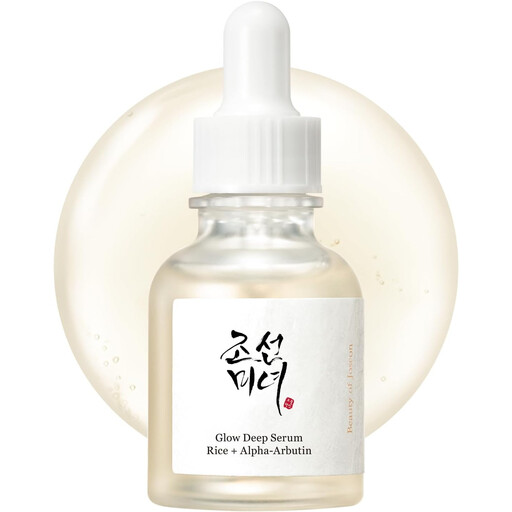
Why it suits this profile: The formula combines 2% alpha-arbutin with rice bran water and is designed for a simple evening routine, with a light, hydrating texture.
The ingredients and directions for use are clearly listed, so you don’t have to rely on general terms such as “glow”.
30 ml, 2% alpha-arbutin, niacinamide and a formula described in the product information as alcohol- and fragrance-free.
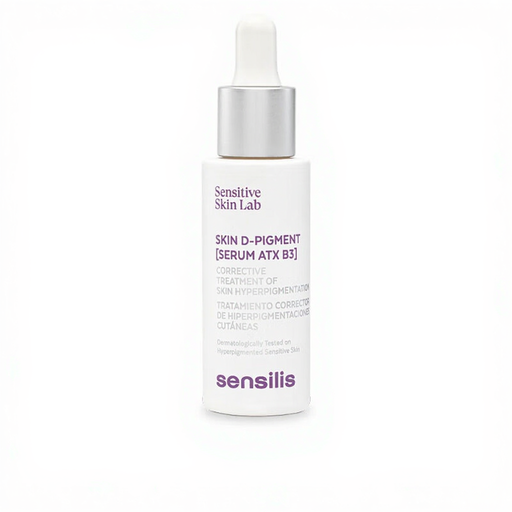
Why it suits this profile: A targeted choice if you want to combine several well-known ingredients in a consistent routine and have sensitive skin.
The product description lists percentages and warnings, and clearly states that it should not be used around the eyes or during the summer months.
10% niacinamide, 3% azeloglycine and 2% tranexamic acid, according to the product information; the formula is non-comedogenic.
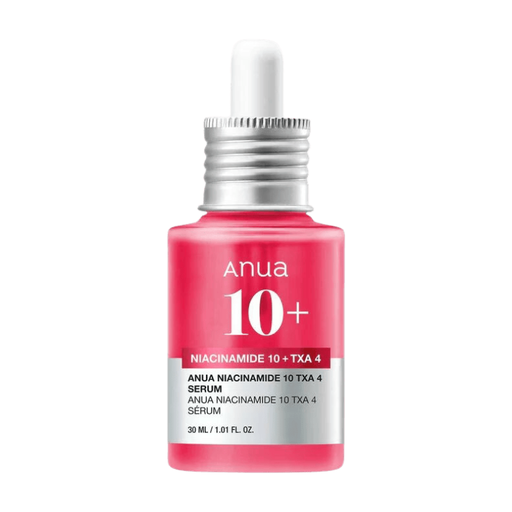
Why it suits this profile: A good fit if you’re specifically targeting dark spots and post-acne marks and want an oil-free, fragrance-free formula.
The active ingredients are clearly listed in the product name and ingredients list. If you have sensitive skin, start with a small amount.
10% niacinamide, 4% tranexamic acid, alpha-arbutin and hyaluronic acid; the specifications describe it as alcohol- and fragrance-free.
We’ve put together a complete, up-to-date list of products that meet these strict selection criteria and comply with current European safety regulations.
Don’t expect an immediate, permanent change. The appearance of pigmentation may change gradually, and results vary from person to person. If you have prominent or changing spots, it’s better to ask your GP or a dermatologist for advice than to keep switching between serums.
Look for a short ingredients list, a fragrance-free formula and hydrating ingredients. Even if a product is described as suitable for all skin types, you should still test it on a small area first. Avoid combining several acids and high concentrations if your skin reacts easily.
It depends on the size, how much you use and how often you apply it. With daily use, a 30 ml bottle will generally last longer if you use just a few drops. Always follow the shelf-life information on the packaging and look out for changes in smell, colour or texture.
This may depend on the formula, but take care when combining active ingredients. For example, start with one product in the evening and use sun protection during the day. If your vitamin C serum also contains AHA, take extra care to watch for irritation and limit exposure to sunlight.
