
Vandaag of morgen in huis

Kwaliteit gegarandeerd

Welkomstaanbiedingen ontgrendelen: GRATIS bezorging | Tot 80% korting | Gratis 30 dagen JoyPlus-proefperiode
Download de app
Pigmentation, dark spots and an uneven skin tone won’t automatically disappear just because a product has eye-catching packaging or uses the term “brightening”. When buying a serum for pigmentation, it’s worth paying attention to the ingredient list, directions for use and how well your skin tolerates it.
An anti-pigmentation serum may fit into your daily skincare routine, but cosmetics are no substitute for a medical assessment. You can ask your GP or a dermatologist to check any new, rapidly changing or irregular spots.
Terms such as “glow”, “whitening” or “instant brightening” don’t automatically tell you which ingredients are used or what they’re intended to do. Check the INCI list for ingredients such as niacinamide, vitamin C derivatives, arbutin, tranexamic acid or glutathione. An ingredient’s position on the list gives you an initial indication, but doesn’t always reveal its exact concentration.
Pay attention to brand claims, too. A brand may report visible results after a certain period based on its own research, but those results aren’t guaranteed for every user.
A serum for hyperpigmentation containing several active ingredients may cause tingling, redness or dryness for some skin types. This is particularly true of combinations of acids, vitamin C and high concentrations of niacinamide.
Start with a small amount and patch test the product on a small area of skin first. Stop using it if irritation persists. During the day, use a sunscreen with an appropriate SPF; UV exposure can affect the appearance of dark spots.
Some products contain light-reflecting particles or instantly make skin look smoother. This is a cosmetic effect and doesn’t necessarily mean that pigmentation has become less visible. Check the full product description and use the serum consistently, following the label.
A higher percentage isn’t automatically a better choice. If you’re new to skincare or have sensitive skin, a simple formula may feel more comfortable than a serum containing several acids and active ingredients. If you’re already used to skincare, you could look for a serum with, for example, 10% niacinamide or a combination of niacinamide and tranexamic acid, as long as this is clearly stated on the product label.
A lightweight gel or watery texture often suits oily or combination skin. A richer formula containing glycerin, ceramides or squalane may be a better fit for dry skin. For vitamin C products, check the storage instructions and keep the packaging tightly closed. Once at home, always check the shelf-life information on the packaging; it may differ from the information on the retailer’s website.
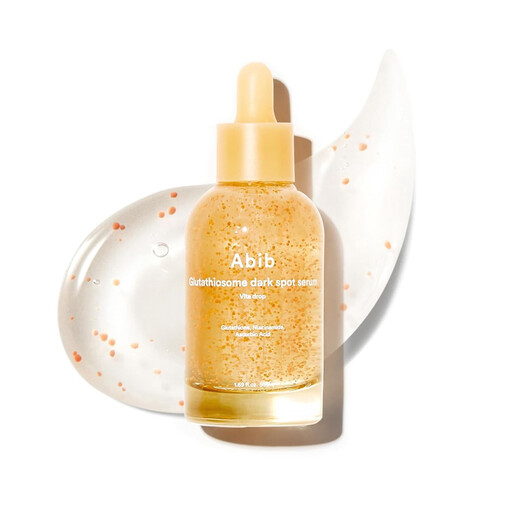
Why it suits this profile: Its lightweight texture and 50 ml size make this a practical introduction to a serum for dark spots for daily use.
The product description mentions microbeads containing glutathione and a fast-absorbing, non-sticky formula. Still, check the full ingredient list and test it on a small area of skin first.
50 ml size; according to the product information, the visible white microbeads dissolve on application; stated to be suitable for various skin types.
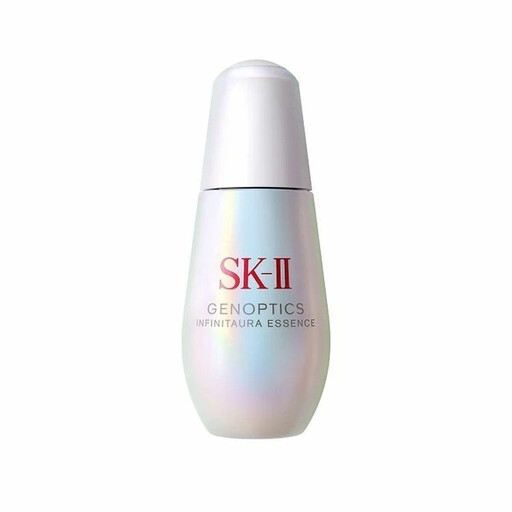
Why it suits this profile: This concentrated essence-serum formula is designed for people who combine several steps in their daily routine.
The product information describes a lightweight texture that can be applied under a moisturiser. Claims about radiance and rejuvenation come from the brand’s description and aren’t guaranteed for every skin type.
50 ml size; contains niacinamide and PITERA according to the product description; designed to layer easily with other skincare products.
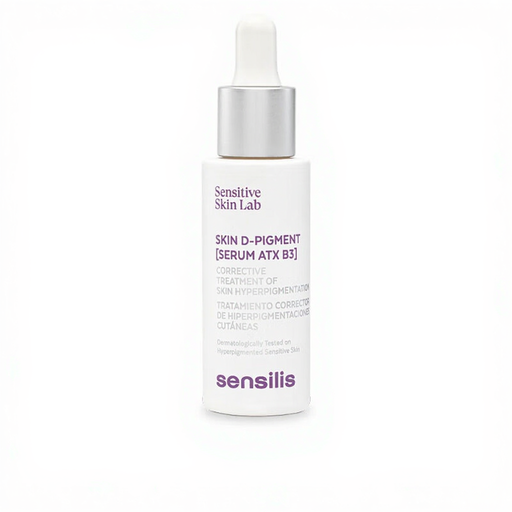
Why it suits this profile: This formula is designed for anyone specifically looking for a serum for hyperpigmentation and who actively compares ingredient lists.
The product description gives specific percentages: 10% niacinamide, 3% azeloglycine and 2% tranexamic acid. The manufacturer’s claims about results are based on the brand’s clinical data and may not be predictable for every user.
Clearly stated active ingredients; cream-gel texture; described as non-comedogenic and suitable for various skin types according to the product information.
We’ve put together a complete, up-to-date list of products that meet these strict selection criteria and the applicable European safety regulations.
A Korean skincare serum routine can include several layers, but using more products doesn’t automatically mean better results. Keep your routine simple and give a formula time to prove itself as part of your daily skincare.
It varies depending on your skin, the type of spot, the formula and how often you use it. Don’t expect reliable, immediate results. Consistent use as directed on the label and daily UV protection are important. Brands may mention their own user tests or research findings; always check who carried out the test and under what conditions.
These ingredients are often used in the same skincare routine. If you have sensitive skin, it’s best to build up gradually and avoid introducing several potent products at once. Follow the warnings on the packaging and stop using the product if irritation persists.
Store the serum in a cool, dry place, away from direct sunlight, and keep it tightly closed. According to their usage information, products containing pure vitamin C can be particularly sensitive to light and heat. Before use, check the colour, scent and shelf-life information on the packaging.
