
Vandaag of morgen in huis

Kwaliteit gegarandeerd

Welkomstaanbiedingen ontgrendelen: GRATIS bezorging | Tot 80% korting | Gratis 30 dagen JoyPlus-proefperiode
Download de app
Pigmentation, dark spots and acne scars can be caused by sun exposure, previous blemishes or an uneven complexion. A serum for pigmentation can be a targeted addition to your skincare routine, but not every product labelled “brightening” will suit every skin type.
As a Joybuy Product Recommendation Officer, I focus on verifiable information: the ingredients list, concentration, texture, directions for use and warnings. This helps you avoid paying solely for a striking marketing claim.
A vitamin C serum containing 23% ascorbic acid may sound powerful, but a higher concentration can feel less comfortable on sensitive skin. Niacinamide, azelaic acid and exfoliating acids can also cause stinging or redness when used incorrectly.
So don’t look at the percentage alone. Also check:
A brightening serum can temporarily make the skin appear smoother or more hydrated. That is different from a formula whose product description specifically focuses on an uneven complexion or visible dark spots.
Look for ingredients such as vitamin C derivatives, niacinamide, tranexamic acid, alpha-arbutin and azelaic acid. Their presence does not tell you everything about the eventual results, but it does make your choice more informed.
When using a serum for hyperpigmentation, daily sun protection is an important part of your routine. UV radiation can make existing discolouration more noticeable. Some formulas containing AHA, vitamin C or azelaic acid also explicitly advise using sun cream during the day.
A serum does not replace sun cream. Apply a product with suitable UV protection during the day and follow the serum’s directions for use.
Dry skin may benefit from glycerine, panthenol, ceramides and hyaluronic acid. For sensitive skin, a simple formula, a patch test and a gradual introduction are sensible. Oily or combination skin may prefer a lightweight, non-sticky texture.
Also look out for fragrance, alcohol and exfoliating ingredients if your skin is easily irritated. The product description and packaging should be your guide; ingredients can change, so check the latest packaging.
Most serums in this selection contain 30 ml. That is practical for daily use, but how long the product lasts depends on the number of drops used and how often you apply it. Products containing a high concentration of pure vitamin C may require extra care when stored. For example, the product information for Vitamin C23 recommends storing it in a cool, dark place and using it within a limited period after opening.
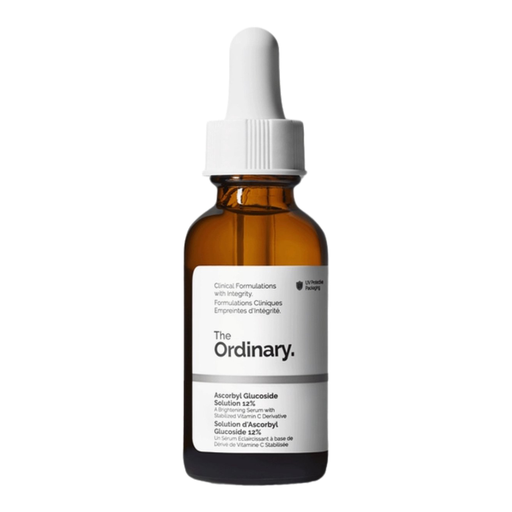
Why it suits this profile: The water-based formula, 12% stabilised vitamin C derivative and 30 ml size make this a straightforward introduction for anyone wanting to add a vitamin C serum without immediately choosing a very high concentration.
The product information identifies the stable form of vitamin C used and recommends a patch test. This allows you to compare the formula more meaningfully than by relying on the term “glow” alone.
Lightweight water-based formula; according to the product description, suitable for all skin types and free from fragrance, alcohol, oil and silicones.
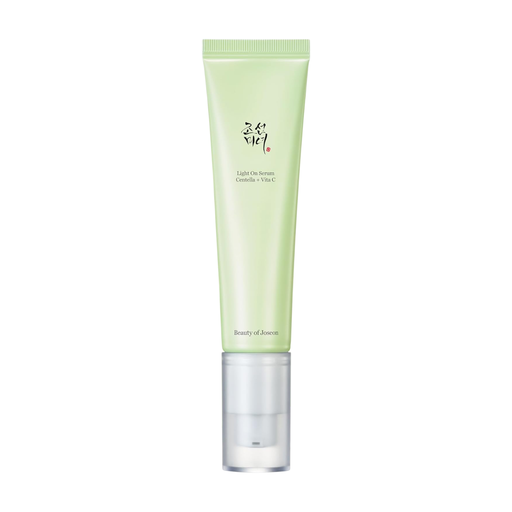
Why it suits this profile: This Korean facial serum combines a vitamin C derivative with centella asiatica, glycerine and sodium hyaluronate. It is a good fit for anyone looking for a brightening serum that leaves the skin feeling hydrated.
The ingredients list is specific and shows that the formula does not rely on vitamin C alone, but also contains hydrating ingredients. However, check the listed alcohol content if your skin is sensitive to it.
30 ml; contains a vitamin C derivative, centella, glycerine and hyaluronic acid; according to the product information, suitable for dry, normal or combination skin.
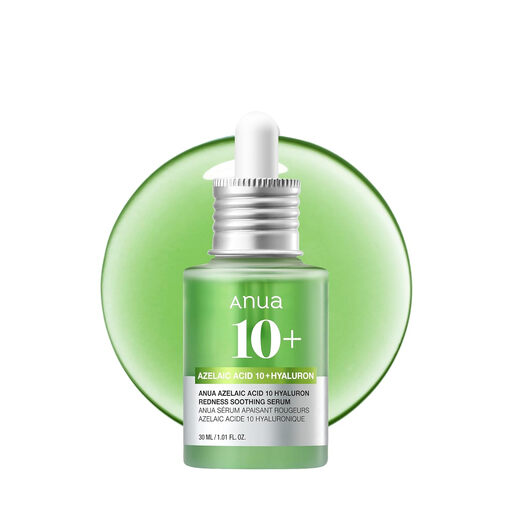
Why it suits this profile: The formula contains 10% azelaic acid, panthenol, niacinamide, sodium hyaluronate and ceramide NP. This is a targeted choice for anyone wanting to combine visible dark-spot care and hydration in a single routine.
The directions recommend starting with 1 to 2 drops once or twice a week. This helps prevent you from using a concentrated formula too often straight away.
10% azelaic acid; contains panthenol, ceramide NP and hyaluronic acid; clear instructions for gradual introduction and patch-test advice.
Don’t combine several potent ingredients straight away. Using a vitamin C serum alongside an acid facial serum, retinol or a high concentration of niacinamide may be too intense for some skin types. Stop using the product if irritation persists. For stubborn or changing pigmentation, seeking advice from a GP or dermatologist is wiser than continuing to try more and more cosmetics.
We’ve put together a complete, up-to-date list of products that fully meet these strict selection criteria and the applicable European safety regulations.
Usually not. Brand product descriptions generally refer to visible improvement with regular use, but results vary depending on your skin type, the type of discolouration and daily sun exposure. Use the product consistently according to the label and don’t expect an immediate change.
This varies from product to product. Check the expiry date, the period-after-opening symbol and the instructions on the packaging. Some vitamin C serums require extra care regarding light, heat and cool storage. The packaging contains the most up-to-date information.
Choose a simple formula, carry out a patch test first and introduce it gradually. A hydrating facial serum containing hyaluronic acid can be an accessible starting point. When using azelaic acid, AHA or high concentrations of vitamin C, gradual introduction is especially important.
