
Vandaag of morgen in huis

Kwaliteit gegarandeerd

Welkomstaanbiedingen ontgrendelen: GRATIS bezorging | Tot 80% korting | Gratis 30 dagen JoyPlus-proefperiode
Download de app
Pigmentation, dark spots and acne marks can make your complexion look uneven. A serum for pigmentation may seem like an obvious purchase, but there is a wide range to choose from. Brands often use terms such as “brightening”, “glow” and “anti-pigment” interchangeably, even though the formulas can differ considerably.
So don’t focus only on attractive packaging or claims of fast results. Pay particular attention to the ingredients, texture, directions for use and how well the product suits your skin type.
According to some brands’ own research, a complexion may appear more even within one or two weeks. This is not a guarantee for every user. Pigmentation can have various causes, and not all types respond to cosmetic skincare in the same way.
A serum for hyperpigmentation usually requires consistent use. So don’t judge the product after just a few applications. However, stop using it if your skin feels persistently red, sore or irritated.
Using a vitamin C serum, niacinamide serum, exfoliant and retinol in one routine may be too much for some skin types. Sensitive or dry skin in particular may react to a combination of acids, vitamin C derivatives and fragrance.
Start with one serum. Only introduce another active product later, once your skin is tolerating the routine well. A patch test on a small area of skin can help you introduce a new formula more cautiously.
A serum for dark spots is not a substitute for sunscreen. UV radiation can contribute to visible discolouration becoming darker. Some ingredients, such as AHAs and certain vitamin C formulas, may also affect your skin’s sensitivity to the sun.
Use a broad-spectrum sun protection product during the day and always follow the instructions on the label. If you have persistent or changing pigmentation, seeking advice from a doctor or dermatologist is wiser than continuing to switch between serums yourself.
Check the full ingredients list, not just the name on the front. Commonly used ingredients in a serum for an even complexion include:
A higher percentage does not automatically mean that a formula is better suited to you. Also consider supporting ingredients, fragrance, alcohol and acidity levels where this information is available.
For dry skin, a serum containing glycerine, hyaluronic acid, squalane or other humectants may feel more comfortable. A lightweight gel texture is often suitable for oily or combination skin. If you have sensitive skin, choose a straightforward formula where possible, and be cautious with fragrance, essential oils and multiple exfoliants.
A Korean skincare serum formula, such as some of the ampoules from SKIN1004,, ABIB or SKINFOOD, often has a lightweight texture. However, always check the specific label: the product name alone does not tell you enough about the formulation.
The serums in this selection range from approximately 30 to 100 ml. A 30 ml bottle is convenient if you want to try a product first. A 50 or 100 ml bottle may be more practical for daily use, but check the expiry information and the period after opening.
Store the serum according to the instructions on the packaging. Close the bottle securely after use, and keep formulas containing vitamin C out of direct sunlight if advised by the brand.
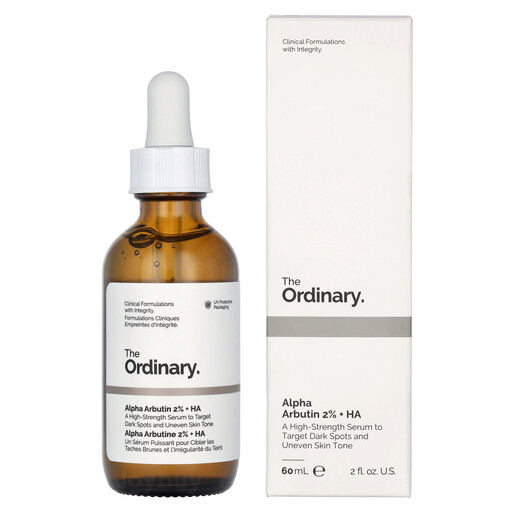
Why it suits this profile: A straightforward water-based formula with 2% alpha-arbutin and hyaluronic acid. Suitable as a first anti-pigmentation serum if you want to keep your routine simple.
The ingredients list is shorter than those of many multi-active serums. This makes it easier to monitor reactions and avoid layering unnecessary actives.
60 ml, 2% alpha-arbutin and hyaluronic acid. The product information states that it is suitable for all skin types, including sensitive skin.
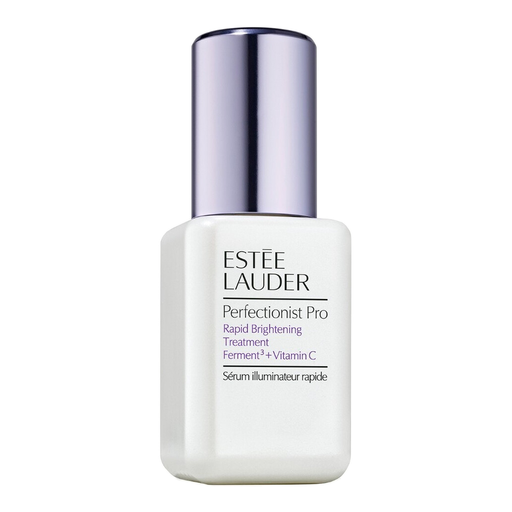
Why it suits this profile: For anyone looking for a serum containing a vitamin C derivative, ferments and hydrating ingredients in one nourishing formula.
As well as brightening, the product description mentions hyaluronic acid and moisturising ingredients. This makes the formula more relevant to dry or dehydrated skin than a purely exfoliating serum.
30 ml, a lightweight fast-absorbing texture and, according to Estée Lauder’s own research, 48-hour hydration. The packaging is partly made from recycled glass.
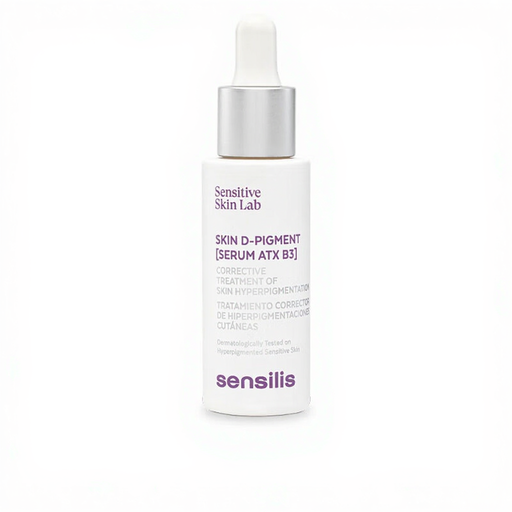
Why it suits this profile: A targeted choice for anyone specifically looking for niacinamide, azeloglycine and tranexamic acid in one routine.
The stated concentrations make it clear which active ingredients you are choosing. The usage information advises against applying the product around the eyes and recommends avoiding it during the summer months.
10% niacinamide, 3% azeloglycine and 2% tranexamic acid according to the product description. The cream-gel texture is intended for all skin types, including sensitive skin.
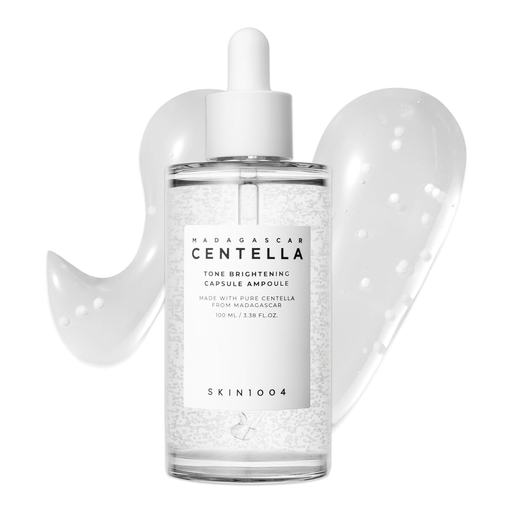
Why it suits this profile: This lightweight ampoule combines niacinamide, tranexamic acid, centella asiatica, panthenol and hydrating ingredients.
The formula focuses not only on brightening, but also contains ingredients for hydration and comfort. This reduces the risk of choosing an overly drying exfoliant.
100 ml, a fast-absorbing texture and several hydrating ingredients. The product information states that it is for external use and should be discontinued if irritation occurs.
We’ve put together a complete, up-to-date list of products that fully meet these strict selection criteria and the applicable European safety regulations.
When using a serum for acne marks, it is important to distinguish between visible discolouration and active acne. A cosmetic serum is not a treatment for a skin condition. If you have persistent acne or noticeable changes to your skin, consult a healthcare professional.
According to the product description, a serum may help reduce the visibility of dark spots or an uneven complexion. The result depends on the formula, the type of discolouration, your skin’s reaction and consistent use. Brand claims, such as results within a certain number of weeks, come from the brand’s own research or user tests and do not automatically apply to everyone.
This depends on the size and the number of drops used each time. With daily use, a 30 ml bottle will generally last less long than a 100 ml ampoule. Check the expiry date and period after opening on the packaging. Stop using the product if its smell, colour or texture changes noticeably.
This may work in some routines, but it is not always necessary. It is best to start with one product and only add the second once your skin remains calm. Take extra care if you have sensitive skin or if one of the products also contains AHA, BHA or other exfoliating ingredients. A simple routine with sun protection is often easier to manage than using several serums at once.
