
Vandaag of morgen in huis

Kwaliteit gegarandeerd

Welkomstaanbiedingen ontgrendelen: GRATIS bezorging | Tot 80% korting | Gratis 30 dagen JoyPlus-proefperiode
Download de app
Pigmentation, acne scarring and a dull complexion will not disappear simply because a product has eye-catching packaging or promises “glow”. If you are buying a serum for pigmentation, it is worth checking the ingredients list, directions for use and suitability for your own skin.
There are plenty of serums for dark spots on the market, but not every product suits every skincare routine. Below, you will find the common pitfalls to look out for, the specifications that matter and the options that suit different user profiles.
A vitamin C serum with a high concentration may seem appealing, but a concentrated formula may be less comfortable for some skin types. If you have sensitive skin, it is especially sensible to introduce it gradually and carry out a patch test first.
Also pay attention to the difference between pure vitamin C, such as ascorbic acid, and vitamin C derivatives such as 3-O-ethyl ascorbic acid. These ingredients do not have the same composition or usage properties.
Terms such as “radiant”, “glow” and “anti-spot” do not always describe a measurable result. According to a brand’s product description, a serum may help create a more even-looking complexion, but this is not a guarantee for every user.
It is therefore better to check:
A serum for hyperpigmentation should form part of a broader routine. During the day, it is important to use a sunscreen with an appropriate level of protection, as exposure to UV radiation can make pigmentation more visible. Always follow the directions on the packaging and stop using the product if irritation persists.
The most common ingredients in a brightening serum include:
Do not focus on just one popular ingredient. A serum for an even-looking complexion may combine several active ingredients, but that does not automatically make the formula suitable for your skin.
For a serum for sensitive skin, the presence of fragrance, alcohol and highly concentrated actives are important points to check. MELA Brightening Anti-Spot Serum is described in the product information as suitable for sensitive skin and is stated to have been dermatologically and ophthalmologically tested. The ingredients list includes niacinamide, gluconolactone and a vitamin C derivative, as well as fragrance. Always check the full ingredients list if you want to avoid fragrance.
If you have reactive or easily irritated skin, you can start with one product at a time. Apply a small amount to a limited area of skin first and gradually increase the frequency.
A thin, watery formula is usually easy to combine with a moisturiser. A 100 ml ampoule can be practical for daily use, while a 20 or 30 ml bottle is more convenient to take with you.
Pay particular attention to the storage instructions for vitamin C products. According to the product information, Vitamin C23 contains a high concentration of 23% ascorbic acid and should be stored in a cool place. The product information also recommends using it within two months of opening for optimum quality. Always check the label on the packaging you receive.
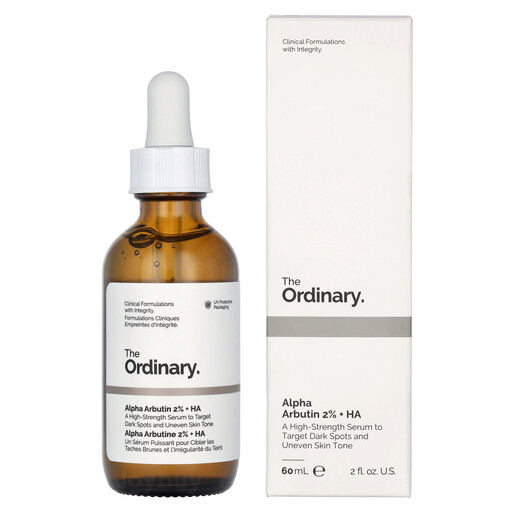
Why it suits this profile: The formula lists 2% alpha-arbutin and hyaluronic acid in a water-based formula. At 60 ml, it offers a relatively generous volume for a simple introduction to serums.
The stated concentration makes it clear which key active ingredient you are buying, rather than relying solely on a vague glow promise.
2% alpha-arbutin, hyaluronic acid, 60 ml volume and, according to the product information, suitable for all skin types, including sensitive skin.
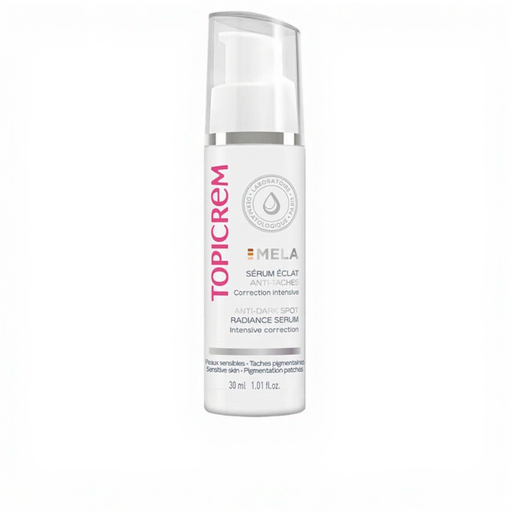
Why it suits this profile: The product information positions this as an intensive serum for pigmentation and indicates that it is suitable for sensitive skin, with use in the morning and/or evening.
The stated skin-type suitability and directions for use help you incorporate the serum purposefully into an existing routine.
30 ml volume, niacinamide, gluconolactone and 3-O-ethyl ascorbic acid in the ingredients list; the product information states that it has been dermatologically and ophthalmologically tested.
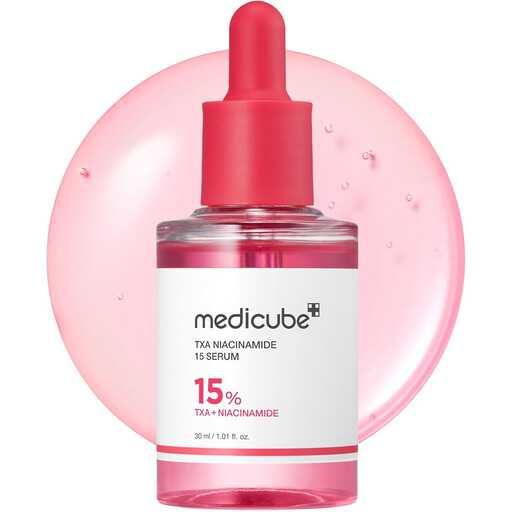
Why it suits this profile: This serum is aimed at users specifically looking for a combination of niacinamide and tranexamic acid in one brightening serum.
The product description states the percentages of the key actives, allowing you to compare the formula more meaningfully with other serums.
According to the product information, it contains 15% niacinamide and tranexamic acid; the formula is intended for an uneven complexion.
A Korean skincare serum can work well in a routine made up of several lightweight layers, but using more products does not automatically mean better results. It is better to choose one formula that suits your skin type, preferred texture and daily habits.
We have put together a complete, up-to-date list of products that fully meet these strict selection criteria and the applicable European safety regulations.
Check the full ingredients list and choose a product with clear directions for use. According to the product information, MELA is suitable for sensitive skin. Dr. Althea Gentle Vitamin C Serum also states that it is formulated for sensitive skin and, according to the product description, contains no fragrance or colourants. Always carry out a patch test first.
This varies from formula to formula. The Ordinary refers to the expiry information on the packaging. Anua states a period of 12 months after opening, while Beauty of Joseon Light On Serum states a period of 6 months. According to the product information, Vitamin C23 should be used within two months of opening. Follow the symbol and instructions on your packaging.
This depends on your overall routine and how sensitive your skin is. Many formulas already contain both ingredients, but layering several concentrated products may increase the risk of irritation. Introduce one product at a time, use a moisturiser and wear sun protection during the day.
