
Vandaag of morgen in huis

Kwaliteit gegarandeerd

Welkomstaanbiedingen ontgrendelen: GRATIS bezorging | Tot 80% korting | Gratis 30 dagen JoyPlus-proefperiode
Download de app
Pigmentation, dark marks left after acne and an uneven complexion usually do not disappear because of one eye-catching claim on the packaging. The right serum for pigmentation should suit your skin type, daily routine and the cause of the discolouration. Above all, patience is important: cosmetics can help reduce the appearance of marks, but results vary from person to person.
A product with a prominent percentage of vitamin C, niacinamide or another active ingredient may seem appealing. However, the percentage alone does not tell you everything. The form of the ingredient, the complete INCI list and the combination with other substances all help determine how the product feels and whether it suits your skin.
For example, a vitamin C serum may contain a pure form or a vitamin C derivative. Derivatives such as 3-O-ethyl ascorbic acid or ascorbyl glucoside are processed differently from ascorbic acid. Always check the ingredients list and follow the brand’s instructions for use.
Some serums contain light-reflecting or pearlescent particles. These can make the skin look instantly brighter without actually making dark spots less visible. So check whether the product also contains ingredients suited to your goal, such as niacinamide, vitamin C derivatives, alpha-arbutin or tranexamic acid.
Claims about visible results should also be read in the right context. Does it say ‘based on [Brand]’s own research’, or is it a consumer study? That is not the same as a guarantee for every user.
Sunlight can make existing discolouration more visible and contribute to new pigmentation. An anti-pigmentation serum therefore does not replace a day cream with sun protection. During the day, use a broad-spectrum sunscreen with at least SPF 30, particularly if your routine also includes AHA, BHA or vitamin C derivatives. According to some brands’ product information, acids and certain vitamin C formulations may increase sensitivity to the sun.
A lightweight, fast-absorbing serum can feel comfortable under a moisturiser and sunscreen. A richer formula may be more suitable for dry or mature skin. If you have sensitive skin, preferably choose a simple formula and look out for fragrance, essential oils, alcohol denat. and exfoliating acids.
‘Suitable for all skin types’ does not automatically mean that everyone will tolerate the product without problems. Test a new serum on a small area of skin first and stop using it if you experience persistent redness, itching, swelling or a burning sensation.
Do not compare only the price of a bottle; consider the contents as well. The range includes sizes from 7 ml to 100 ml. Check the expiry date on the packaging and note the period after opening, if stated. Store a serum in a cool, dry place away from direct sunlight, and close the packaging after use.
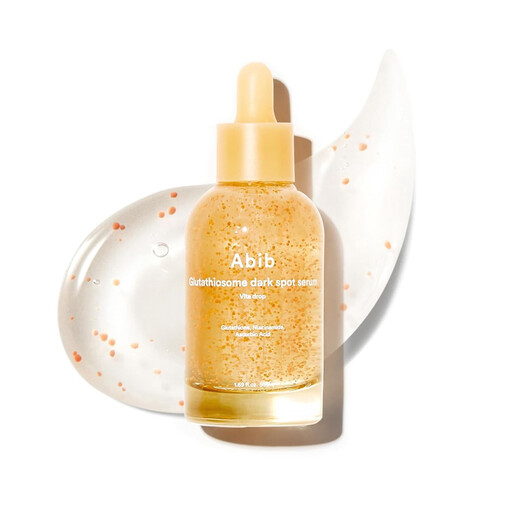
Why it suits this profile: The lightweight texture and 50 ml size make this a practical first step for daily use, without leaving a heavy layer on the skin.
The product description mentions microbeads that dissolve during application. However, check the complete INCI list and introduce it gradually if you have sensitive skin.
50 ml, lightweight texture and, according to the product information, suitable for dry, oily, combination and sensitive skin.
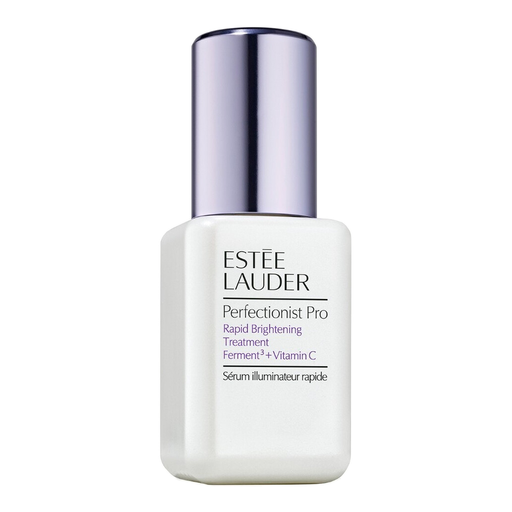
Why it suits this profile: This choice is suited to anyone looking for hydration as well as a brighter appearance, and who prefers a formula with multiple active components.
The ingredients are clearly described as ferments, a vitamin C derivative and hyaluronic acid. The stated results are claims made by Estée Lauder, not a personal guarantee.
30 ml, hyaluronic acid in the formula and a glass bottle made with, according to the product description, 20% recycled material.
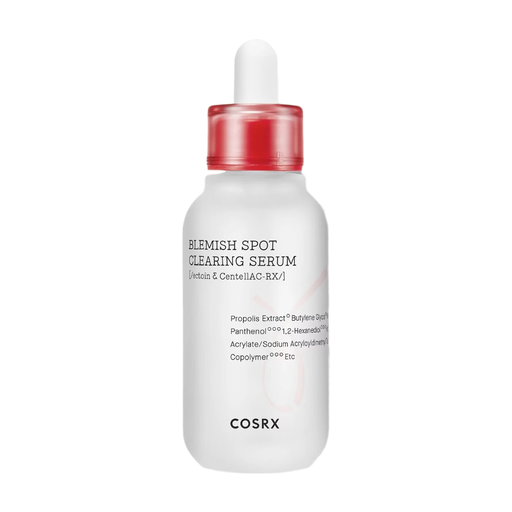
Why it suits this profile: Designed for blemish-prone skin and users who want to address active blemishes, acne marks and uneven skin texture in the same routine.
The product information lists 4% niacinamide, propolis, centella and ceramide NP. Carry out a patch test first and do not combine it immediately with several strongly exfoliating products.
40 ml, fast-absorbing texture and ingredients that, according to the product description, are suited to blemish-prone skin.
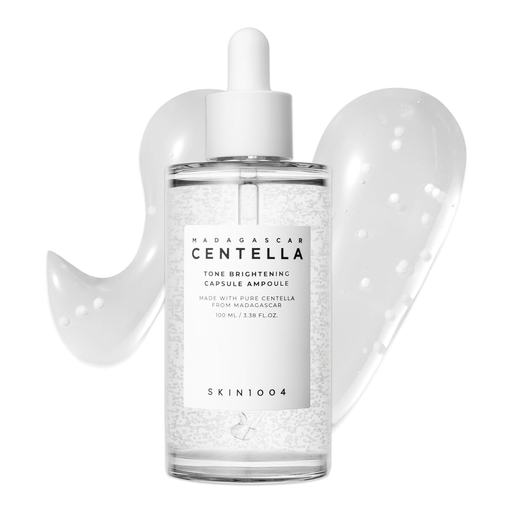
Why it suits this profile: The combination of a lightweight texture, hydrating ingredients and a 100 ml size is well suited to daily use in a simple routine.
The ingredients list is available and includes niacinamide, tranexamic acid, panthenol and centella, among others. Check the current packaging when purchasing.
100 ml, centella extract, glycerine and panthenol; according to the product information, it absorbs quickly and is suitable for use under moisturiser.
We have put together a complete, up-to-date list of products that fully meet these strict selection criteria and the applicable European safety regulations.
Do not simply use several serums containing acids, retinoids and vitamin C at the same time. If skin irritation persists or you have unexplained pigmentation, it is advisable to consult a GP or dermatologist. Cosmetic serums are not intended to diagnose or treat skin problems.
A serum for acne marks may contain ingredients such as niacinamide, vitamin C derivatives or tranexamic acid. These substances are intended to improve the appearance of an uneven complexion. The result depends on the age and type of mark, your skincare routine and sun exposure. Do not use a serum on an open or irritated area.
That depends on the size and the amount used each time. A 30 ml bottle will generally last longer with daily use than a 7 ml container, but always check the recommended dosage. You may wish to note the opening date and follow the shelf-life information on the packaging.
This varies by formula. A gentle serum for an even complexion without exfoliating acids can often be used daily according to the product instructions. With AHA, BHA or a concentrated vitamin C formula, it is wiser to introduce it gradually. A Korean skincare serum formula is not automatically gentler; always check the complete ingredients list and the brand’s warnings.
