
Vandaag of morgen in huis

Kwaliteit gegarandeerd

Welkomstaanbiedingen ontgrendelen: GRATIS bezorging | Tot 80% korting | Gratis 30 dagen JoyPlus-proefperiode
Download de app
Spots, blocked pores and redness do not automatically call for a powerful acne serum. A product with a high concentration of active ingredients may be unsuitable for sensitive skin, while a mild serum for blemish-prone skin may not be targeted enough to tackle stubborn imperfections. The right choice therefore starts not with a striking claim on the packaging, but with the ingredients list, directions for use and your skin type.
A niacinamide serum with 10% or 15% sounds powerful, but a higher concentration is not necessary for every skin type. On sensitive skin, an intensive formula may cause stinging or redness more quickly. So also look for soothing ingredients such as panthenol, centella asiatica, allantoin or glycerine.
A serum for blemishes containing AHA, BHA, tea tree or azelaic acid may be targeted towards oily or congested skin. However, using several exfoliating products at the same time increases the risk of dryness and irritation. Start with one new serum and gradually build up how often you use it.
Words such as “reduces the appearance of pores”, “repairs the skin barrier” or “brightens pigmentation” describe an intended cosmetic effect, not a guaranteed outcome. Brands may mention such effects based on their own research or product information, but your results depend on factors including your skin type, how often you use the product and your daily sun protection.
Do not just check the percentage; also check how often you may apply the product. For example, the ANUA Azelaic Acid 10 Hyaluron Redness Soothing Serum advises starting with 1–2 drops once or twice a week, then gradually increasing use. This practical information is more important than an isolated claim on the front of the packaging.
Check the full INCI ingredients list on the packaging. Ingredients can change, so always check the latest product packaging. Also look out for:
Cosmetics sold in the EU must comply with the applicable European cosmetics regulations. This does not mean that every serum is suitable for everyone. Stop using the product if you experience persistent itching, swelling, burning or redness, and seek advice from a doctor or pharmacist if necessary.
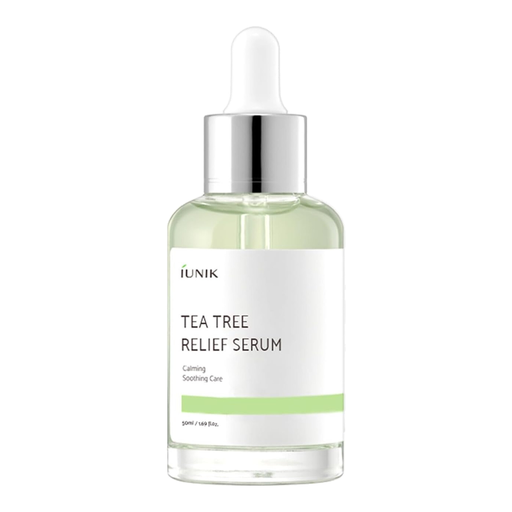
Why it suits this profile: A lightweight serum with 50 ml of product for anyone looking to start a simple Korean skincare routine featuring tea tree and centella.
The product description lists 67% tea tree and centella as key ingredients. Check the current INCI on the packaging and test a small amount first.
50 ml contents; tea tree and centella feature prominently in the product information; suitable for targeted testing.
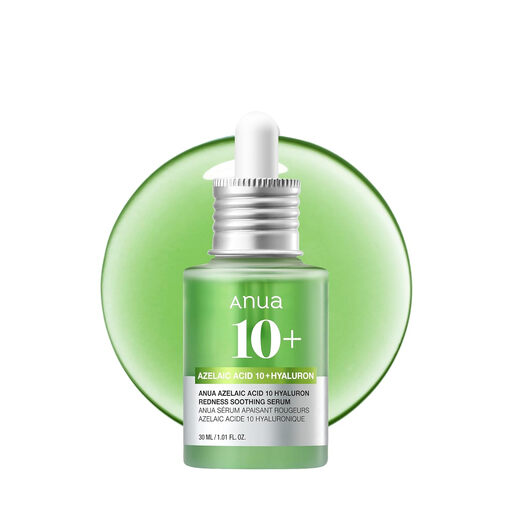
Why it suits this profile: For anyone looking for a single serum that, according to the ingredients list, combines azelaic acid, panthenol, niacinamide, hyaluronic acid and ceramide NP.
The directions call for gradual introduction and warn of dryness, pilling and sensitivity. This makes the dosage clearer than with a product that provides no guidance on building up use.
10% azelaic acid; 30 ml; contains hydrating and nourishing ingredients; sunscreen is recommended when using it during the day.
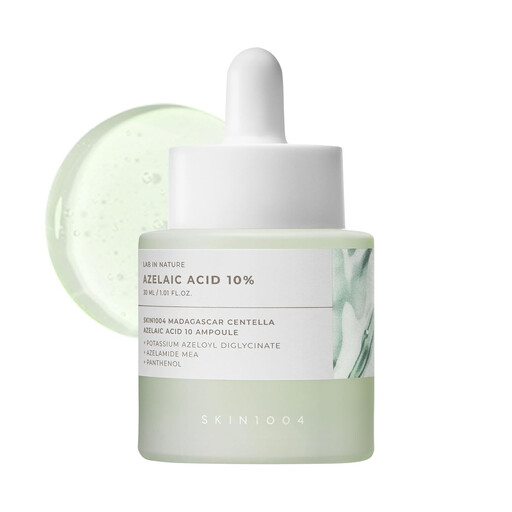
Why it suits this profile: An option for anyone looking for an azelaic acid serum without niacinamide, featuring centella and gradual introduction.
The product information advises using it every other day during the first week and not applying it to damaged or irritated skin.
10% azelaic acid; niacinamide-free formula; centella, panthenol and allantoin are listed among the ingredients.
We have put together a complete, up-to-date list of products that fully meet these strict selection criteria and the applicable European safety regulations.
Apply a serum after cleansing and, if desired, after toner, but before moisturiser. When using a new product, start by applying a small amount to a limited area of skin. Do not introduce several new acids or active serums at the same time. A simple routine could consist of:
A serum for pigmentation or post-acne marks also needs time to work. Do not expect immediate results, and adjust the frequency if your skin feels dry, tight or sensitive.
Look for a lightweight formula with niacinamide, BHA or ingredients that, according to the product information, are intended to care for sebum and pores. A pore-refining serum does not literally make pores smaller, but it may help the skin look smoother. Avoid a texture that is too rich if your skin becomes shiny quickly.
That depends on the concentration, your skin and the instructions on the packaging. It is better to start with a few evenings a week. Do not combine AHA and BHA directly with other exfoliating products, and use sunscreen during the day.
Check the expiry date and the symbol indicating the period after opening, often 12M, for example. Close the packaging properly and store the product according to the label, usually somewhere cool and out of direct sunlight. Has the smell, colour or texture changed? If so, stop using it.
