
Vandaag of morgen in huis

Kwaliteit gegarandeerd

Welkomstaanbiedingen ontgrendelen: GRATIS bezorging | Tot 80% korting | Gratis 30 dagen JoyPlus-proefperiode
Download de app
Spots, visible pores and a shiny T-zone don't automatically call for the most concentrated product. A serum for spots and enlarged pores needs to suit your skin type, your existing routine and the ingredients you're already using. For oily skin, the focus is often on sebum and clogged pores. For sensitive skin, redness, dehydration and a damaged skin barrier are at least as important.
Niacinamide, acids and azelaic acid are often presented with high percentages. That only tells you about the concentration, not how your skin will react. A niacinamide serum with 10% or 15% can be interesting for oily or combination skin, but building up gradually is still wise. The same goes for an azelaic acid serum.
Pores don't disappear with a serum. Product descriptions typically refer to a smoother skin texture, less sebum or fewer blockages, which can temporarily make pores appear less noticeable. So check whether the formula contains ingredients that match your goal, rather than just relying on the front of the packaging.
Combining a serum for blemishes with an exfoliant, retinol and a strong acid can unsettle your skin. A serum for acne-prone skin in particular should be introduced gradually. Don't use several new products at the same time. That way, you can better see which product suits you and you limit the risk of irritation.
Always look at the INCI list and product information. Commonly used options include:
Brands may make claims about sebum, redness or spots. Don't treat these as guaranteed results. According to the brand's product description, for example, Medicube Zero Pore One Day Serum contains 15.2% AHA+BHA+PHA and niacinamide. With Some By Mi, the product information states a combination of AHA, BHA, PHA, tea tree and centella is used. Individual skin reactions can vary.
A watery ampoule or lotion usually absorbs quickly and feels comfortable under sunscreen or make-up. That can be practical with a serum for oily skin. A formula with hydrating ingredients like glycerine, panthenol or hyaluronic acid may be a better fit when active ingredients quickly cause tightness.
Also pay attention to the size. A 9 ml pack is suitable for gently trying out a formula. A 50 or 100 ml bottle is more worthwhile when you already know the product and use it regularly.
Cosmetics sold in the European Union must include mandatory information about ingredients, the responsible person and usage warnings. Check the packaging for the INCI list, expiry date or period-after-opening symbol, and storage instructions.
Test a new serum on a small area of skin first. Stop if you experience persistent redness, swelling, itching or a burning sensation. Don't use an exfoliating serum on damaged skin and combine active formulas carefully. For severe or recurring acne, advice from a GP or dermatologist is wiser than simply adding more serums.
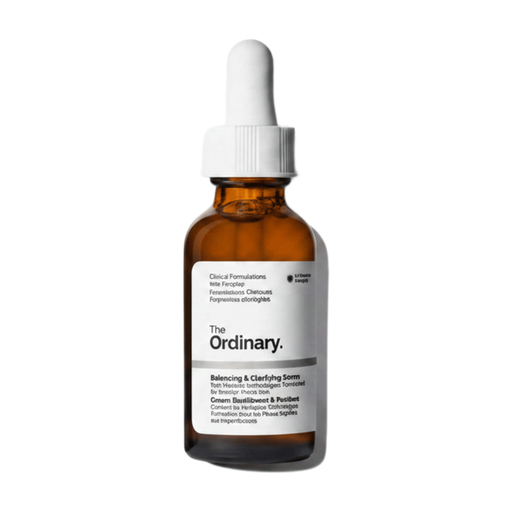
Why it suits this profile: A compact formula for anyone wanting to tackle multiple skin concerns at once without committing to a large bottle straight away. According to the product description, the serum targets excess shine, skin texture and visible pores.
The product information doesn't cite a high percentage as its main selling point. This means you can judge the formula on its described functions and your skin's reaction.
30 ml, lotion texture, vegan according to the product data and intended for use in the morning and/or evening.
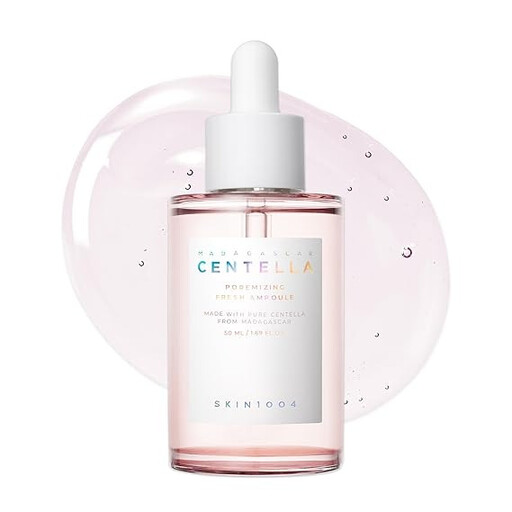
Why it suits this profile: A lightweight Korean ampoule for anyone wanting to combine pore care, hydration and skin comfort in one routine.
The watery texture and three types of hyaluronic acid prevent "pore care" from automatically becoming a drying routine. Always check the current packaging though.
50 ml, centella asiatica, mineral salts and a fast-absorbing formula according to the product description.
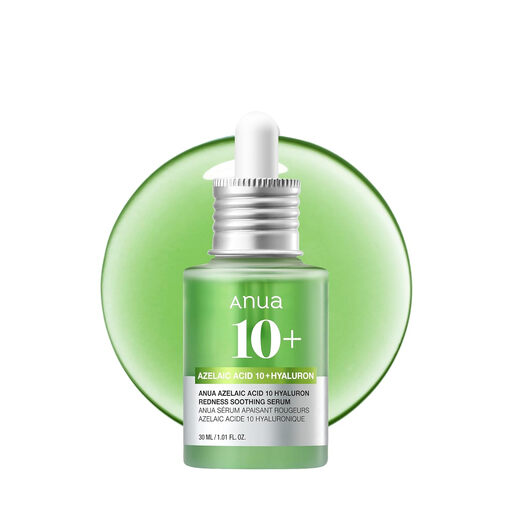
Why it suits this profile: Aimed at users who want to address not only spots but also visible redness and marks in their routine, and are willing to build up slowly.
The usage instructions advise starting with 1–2 drops, 1–2 times per week. That makes the approach more controlled than using a high amount daily from the start.
Contains according to the ingredients list 10% azelaic acid, panthenol, centella, ceramide NP and hyaluronic acid.
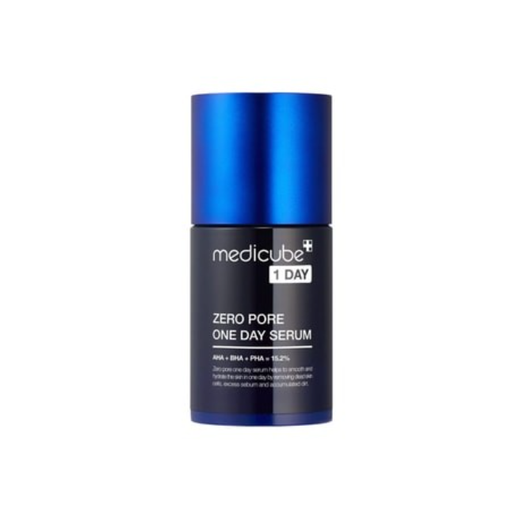
Why it suits this profile: For anyone specifically looking for an exfoliating serum for rough skin texture and visible pores, and who already has experience with active ingredients.
The stated combination of AHA, BHA and PHA makes it clear that this is no simple hydrating formula. So don't use other exfoliants at the same time.
According to the product description, the serum contains 15.2% AHA+BHA+PHA and niacinamide. Sun protection is important during the day when using acids.
We've put together a full, up-to-date list of products that fully meet these strict selection criteria and comply with current European safety regulations.
Look for a lightweight formula with niacinamide, centella or a carefully introduced exfoliant. A pore-refining serum can help reduce the appearance of pores by targeting sebum and skin texture. Don't automatically go for the highest concentration.
Follow the packaging and, with active ingredients, start on alternate days or a few times a week. A hydrating centella serum can often fit more easily into a daily routine, whereas a serum with AHA, BHA, PHA or 10% azelaic acid may require more gradual adjustment.
Check the expiry date and the period-after-opening symbol on the packaging. Store the bottle closed, in a cool place and out of direct sunlight. A change in smell, colour or texture is a reason not to continue using the product.
