
Vandaag of morgen in huis

Kwaliteit gegarandeerd

Welkomstaanbiedingen ontgrendelen: GRATIS bezorging | Tot 80% korting | Gratis 30 dagen JoyPlus-proefperiode
Download de app
Pigmentation, post-acne marks and an uneven skin tone usually won’t disappear just because a product comes in attractive packaging or promises “instant results”. If you’re buying a serum for pigmentation, it’s worth checking the ingredients, directions for use and how well your skin tolerates it. An expensive product isn’t automatically right for your skin, and a high concentration of active ingredients can actually feel uncomfortable.
Words such as “intensive”, “glow” and “brightening” often say more about a product’s positioning than what it actually does. They don’t specify exactly which type of pigmentation the product targets. So check the ingredients list and see whether the serum contains niacinamide, tranexamic acid, a vitamin C derivative, azelaic acid or arbutin, for example.
Treat brands’ claims about visible results as product information, not a guarantee. According to research by the brand behind SKIN D-PIGMENT, the serum is said to reduce the amount of melanin in dark spots by 10% and their visibility by 18% after two months. These results come from the brand’s product information and may vary from person to person.
Combining a niacinamide serum with a strong acid, retinoid and vitamin C may be too much for some skin types. Sensitive skin in particular may react to a combination of exfoliating ingredients, fragrance, alcohol or essential oils.
Start with one anti-pigmentation serum and use it according to the label. If you have sensitive skin, test a small amount on a small area first. If redness, itching, swelling or a burning sensation persists, stop using the product and seek advice from a doctor or dermatologist if needed.
Sunlight can make existing discolouration more noticeable. A serum for hyperpigmentation is therefore no substitute for daily sun protection. During the day, use a sunscreen with an appropriate SPF and follow the warnings on the packaging. Take extra care with products containing acids, kojic acid or a retinoid.
A high percentage may sound appealing, but it isn’t practical for everyone. ANUA Niacinamide 10% + TXA 4% Serum, for example, lists 10% niacinamide and 4% tranexamic acid. According to its product specifications, SKIN D-PIGMENT contains 10% niacinamide, 3% azeloglycine and 2% tranexamic acid. This makes it easier to compare products than relying on a name such as “intensive”.
Also check the size. Most options in this selection contain 30 ml; some Korean skincare serums contain 50 ml. A pump bottle can make hygienic dispensing easier, while a pipette is handy for applying a few drops at a time.
For sensitive skin, fragrance, alcohol, essential oils and exfoliating acids may be worth looking out for. According to its product specifications, MELA Brightening Anti-Spot Serum is suitable for sensitive skin and contains ingredients including niacinamide, gluconolactone and a vitamin C derivative. Always check the current ingredients list on the packaging, as formulations can change.
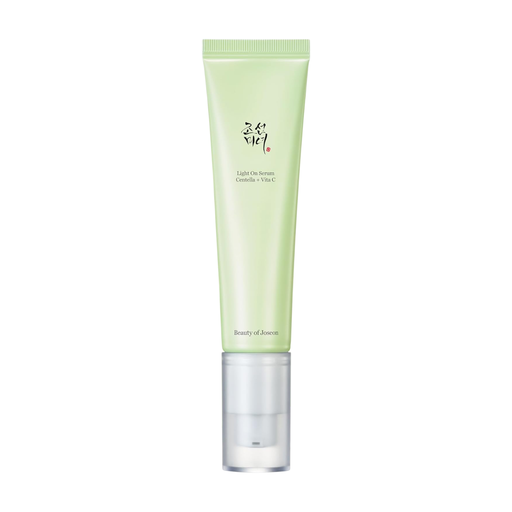
Why it suits this profile: A lightweight serum in a 30 ml size for anyone looking for a simple daily routine. The product information lists centella, a vitamin C derivative, glycerine and hyaluronic acid.
The ingredients are clearly listed, so you can compare the product based on its formulation rather than relying on the word “brightening”.
Lightweight texture; contains hydrating ingredients; according to the product specifications, suitable for dry, normal and combination skin.
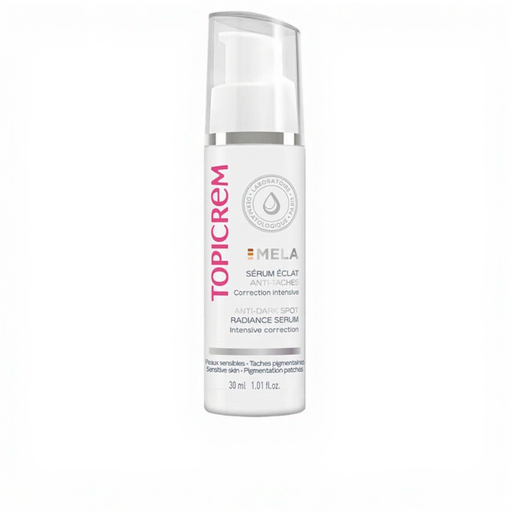
Why it suits this profile: An option for anyone looking for a targeted anti-spot formula and who values information about skin type, use and product testing.
The description specifically says it can be used on different types of dark spots and that it has been dermatologically and ophthalmologically tested.
30 ml; suitable for sensitive skin according to the product specifications; contains gluconolactone, niacinamide and 3-O-ethyl ascorbic acid.
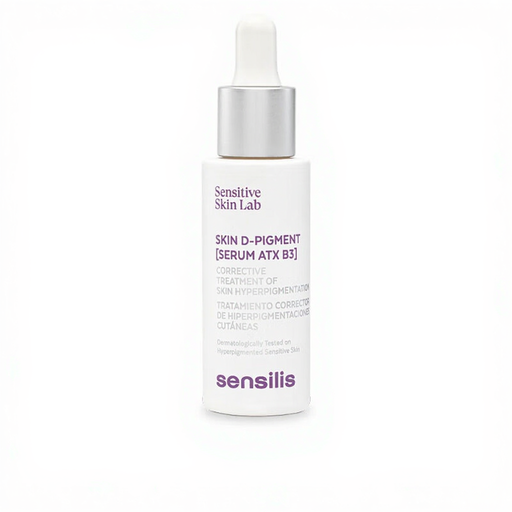
Why it suits this profile: For anyone who wants to compare percentages and is looking for a formula with several targeted ingredients for hyperpigmentation.
The formulation lists specific concentrations. The product information also advises avoiding use during the summer months and keeping it away from the eye area.
10% niacinamide, 3% azeloglycine, 2% tranexamic acid and 0.45% lactic acid according to the product specifications.
We’ve put together a complete, up-to-date list of products that meet these strict selection criteria and current European safety requirements.
Cleanse your face, apply a small amount of serum and follow with a moisturiser. Use the product as often as directed on the label. Apply sun protection during the day. Don’t combine several strong active ingredients straight away; introduce them gradually.
It depends on the product, your skin type and the cause of the discolouration. Marketing claims aren’t a guarantee. Give the product enough time, following the directions for use, and consider taking photos in similar lighting. Consult a doctor about spots that change quickly, itch or bleed.
Look for a short, clear ingredients list and, if you know you react to them, try to avoid products with lots of fragrance, alcohol and essential oils. A formula with niacinamide or a gentle vitamin C derivative can be a practical place to start. Always test it on a small area of skin first and stop using it if irritation occurs.
