
Vandaag of morgen in huis

Kwaliteit gegarandeerd

Welkomstaanbiedingen ontgrendelen: GRATIS bezorging | Tot 80% korting | Gratis 30 dagen JoyPlus-proefperiode
Download de app
Pigmentation, dark spots and an uneven complexion can be caused by factors including sunlight, skin ageing and hormonal changes. A serum for pigmentation can form part of a skincare routine, but not every product is suitable for every skin type or expectation.
The product information on packaging can sometimes sound more convincing than the specifications justify. So pay particular attention to the formula, directions for use and how well your skin tolerates it.
A vitamin C serum or niacinamide serum with a striking percentage is not automatically suitable for your skin. The form of the ingredient, the rest of the formulation and the packaging all affect how pleasant the product is to use. Vitamin C, for example, is available as ascorbic acid, but also as derivatives such as ascorbyl glucoside or 3-O-ethyl ascorbic acid.
A brightening serum can temporarily make the skin glow thanks to hydrating ingredients, oils or light-reflecting particles. This can look cosmetically appealing, but it does not automatically say anything about the visibility of pigmentation over the longer term. So check whether the product contains ingredients specifically described as having an evening effect.
Sunlight can contribute to pigmentation becoming darker. A serum for an even complexion is not a substitute for sunscreen. Daily UV protection is particularly important when using formulas containing AHAs, such as lactic acid, or other exfoliating ingredients. Always follow the warnings on the label.
Look at the full ingredients list, not just the front of the packaging. Common ingredients in a serum for hyperpigmentation include:
An ingredient’s position in the list does not provide a complete picture of how well it works, but it can help put marketing claims into context.
A light gel or watery texture can feel comfortable underneath day cream and sunscreen. An oily or milky formula may be better suited to dry or mature skin. Also check the volume: 7 ml, for example, is a small amount for targeted use, while a 50 or 100 ml bottle will last longer with daily use.
A pump bottle or securely sealed container can be practical for formulas containing vitamin C. Store the serum according to the instructions and check the expiry information on the packaging.
If you have sensitive skin, it is sensible to check for parfum, essential oils, alcohol and exfoliating acids. “Vegan”, “natural” or “dermatologically tested” does not mean that everyone will tolerate the product without a reaction. Test a new serum on a small area of skin first and stop using it if irritation persists.
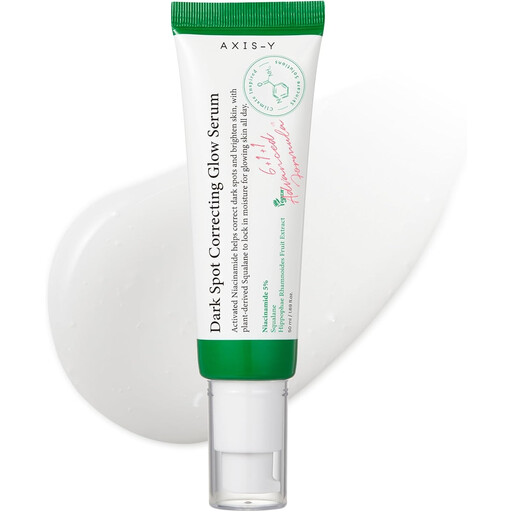
Why it suits this profile: The gel texture and 50 ml volume make this a straightforward choice for anyone wanting to try a simple serum for dark spots without combining several active products at once.
The product details state that it has a fragrance-free formula and a gel texture. This makes the formulation easy to assess for everyday use.
50 ml; gel texture; product information states that it is suitable for dry, normal, oily and sensitive skin, among others.
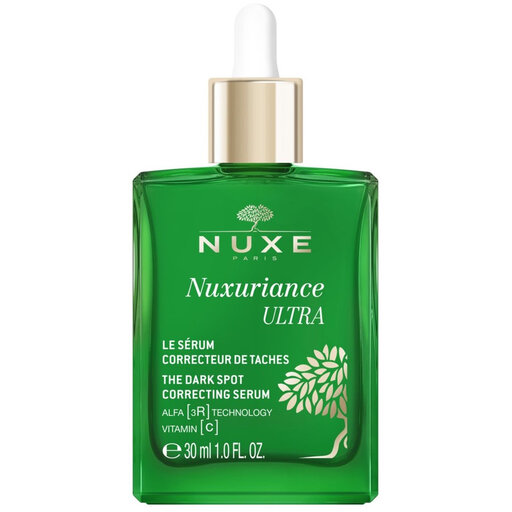
Why it suits this profile: This oily formula is designed for normal, dry and mature skin, making it suitable for a skincare routine where comfort and a nourishing skin feel are important.
The ingredients list and product details are available, including a vitamin C derivative, niacinamide and hyaluronic acid. This means you can compare the formula rather than relying solely on the claim.
30 ml; oily consistency; product information states that it is alcohol-free and suitable for normal, dry and mature skin.
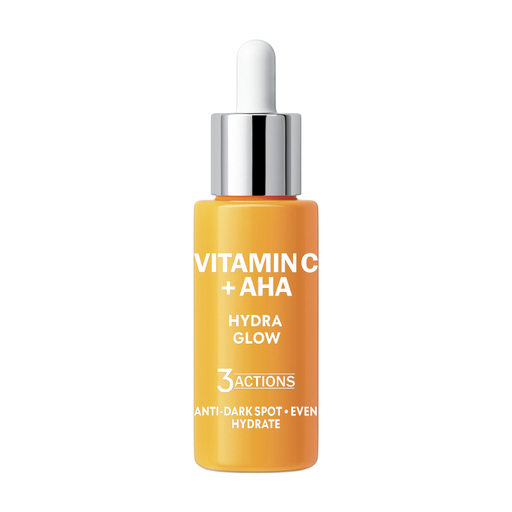
Why it suits this profile: This serum combines vitamin C, AHA and niacinamide. It is suitable for users who deliberately want to include several targeted ingredients in one routine.
The presence of AHA is clearly stated in the product name and ingredients list. This makes it easier to take potential sensitivity to sunlight into account.
40 ml; vitamin C, lactic acid and niacinamide in the formula; directions for use advise daily UV protection.
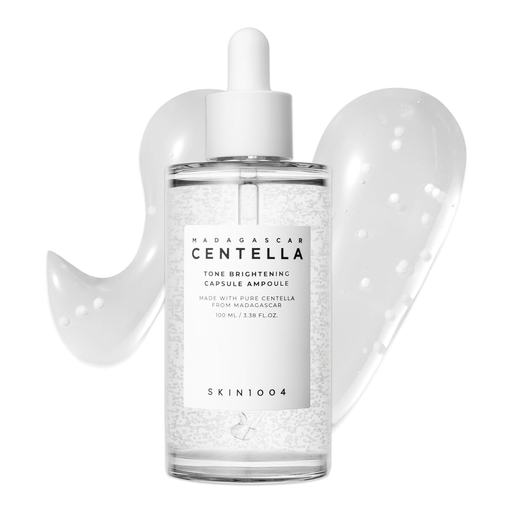
Why it suits this profile: The watery, fast-absorbing formula contains ingredients including centella asiatica, glycerine, niacinamide and tranexamic acid, making it practical for anyone wanting to combine hydration with complexion care.
The product description mentions a lightweight texture and moisturising ingredients. Nevertheless, always check the full list and carry out a patch test if you have sensitive skin.
100 ml; niacinamide and tranexamic acid; centella asiatica and panthenol in the ingredients list.
We have put together a complete, up-to-date list of products that fully meet these strict selection criteria and the applicable European safety regulations.
A serum only works as part of a consistent routine. Do not expect identical results for every skin type: pigmentation can have various causes. If you notice rapidly changing, itchy or unusual-looking marks, it is wise to seek medical advice rather than relying solely on cosmetics.
Look for a short, straightforward ingredients list and initially avoid parfum, large amounts of essential oils and strong acids. A formula containing hydrating ingredients such as glycerine or hyaluronic acid may feel more comfortable. Always test each new product on a small area first.
This depends on the volume and the amount used each time. With daily use, a 30 ml bottle will generally last longer than a 7 ml product. Follow the recommended dosage and check the period after opening, indicated by the open-jar symbol or on the packaging.
This can work in many routines, but the overall formula and your skin’s sensitivity are the deciding factors. Preferably introduce one new product at a time. If the formula also contains AHA, as some vitamin C serums do, pay extra attention to irritation and daily sun protection.
