
Vandaag of morgen in huis

Kwaliteit gegarandeerd

Welkomstaanbiedingen ontgrendelen: GRATIS bezorging | Tot 80% korting | Gratis 30 dagen JoyPlus-proefperiode
Download de app
Pigmentation, acne scars and an uneven complexion may prompt you to look for a serum for pigmentation. There is plenty of choice, from a brightening serum with vitamin C to an alpha-arbutin serum or niacinamide serum. However, a striking claim on the packaging does not tell you everything about whether a product is suitable for your skin.
A good purchase therefore starts not with the promise of “radiant skin”, but with the ingredients list, concentration, texture and instructions for use.
More of an active ingredient does not automatically mean that a product is better suited to your skin. A vitamin C serum with a high concentration may appeal to experienced users, but could be less comfortable for sensitive skin. Niacinamide can also be found in different percentages. So check the exact concentration whenever it is stated.
“Brightening” can refer to different goals: a more even-looking complexion, hydration or the optical reduction of a dull appearance. A serum for hyperpigmentation is not the same as an exfoliating serum for skin texture. Look at the combination of ingredients and the skin concern that the product information says it supports.
A serum aimed at pigmentation and an uneven complexion is not a substitute for sun cream. Particularly with formulas containing vitamin C, AHA or other active ingredients, it is sensible to follow the instructions for use and apply a sun protection product during the day. The product information for several of the serums mentioned recommends daily UV protection.
Look for ingredients that match your purchasing goal:
Brands may present results or effects based on their own research. According to a brand’s own research, such results are not automatically the same for every user. Therefore, use verifiable product information as your starting point.
A serum for sensitive skin should contain more than just a suitable active ingredient. Also check whether it contains perfume, essential oils, alcohol or exfoliating acids. A fragrance-free formula can be a practical choice if you prefer to avoid fragranced skincare.
If you have dry skin, look for a hydrating facial serum with glycerine, hyaluronic acid, ceramides or soothing ingredients. For combination or blemish-prone skin, a lightweight, non-sticky texture may feel more comfortable. A patch test is still advisable, particularly with high-concentration vitamin C, AHA, BHA or azelaic acid.
Always check the shelf-life information on the packaging. Some vitamin C formulas require extra care regarding light, heat or refrigeration. For example, Vitamin C23 states that it should be stored in the fridge and used within two months of opening. This is an important practical difference compared with a more stable water-based serum.
Usually apply a serum after cleansing and before a cream, but follow the specific instructions on the label. If you have sensitive skin, consider starting every other day and avoid combining several strong active ingredients straight away.
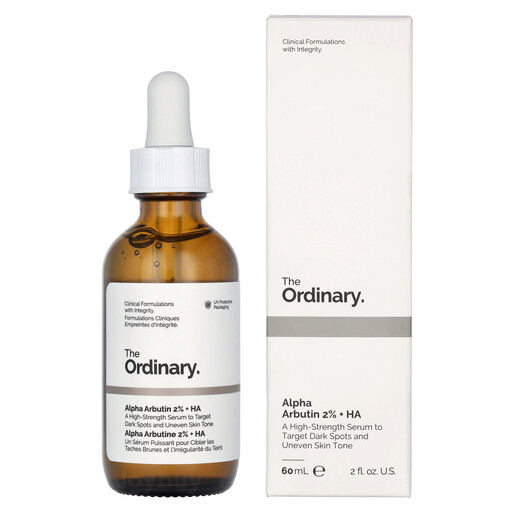
Why it suits this profile: A straightforward formula with 2% alpha-arbutin and hyaluronic acid, without a long list of active ingredients. According to the product information, the watery texture is suitable for daily use.
The concentration and serum type are clearly stated, so you do not have to rely solely on a general brightening claim.
60 ml; 2% alpha-arbutin; hyaluronic acid; suitable for all skin types according to the product description.
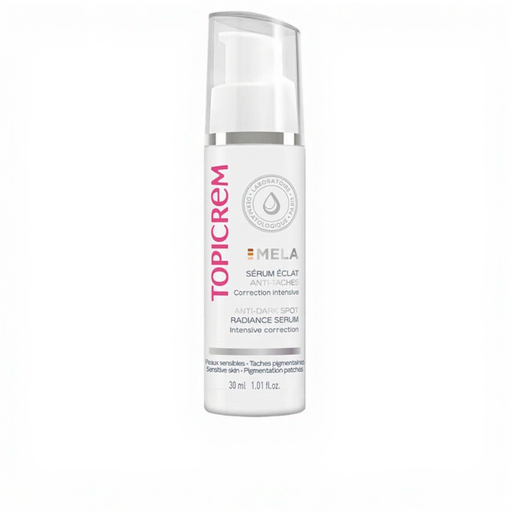
Why it suits this profile: The product information positions this serum specifically for sensitive skin and states that it has been dermatologically and ophthalmologically tested.
The target audience and testing information are clearly described; however, the formula does contain perfume, which you should check in advance if you have sensitivities.
30 ml; niacinamide and 3-O-ethyl ascorbic acid; dispenser; suitable for morning and evening use according to the label.
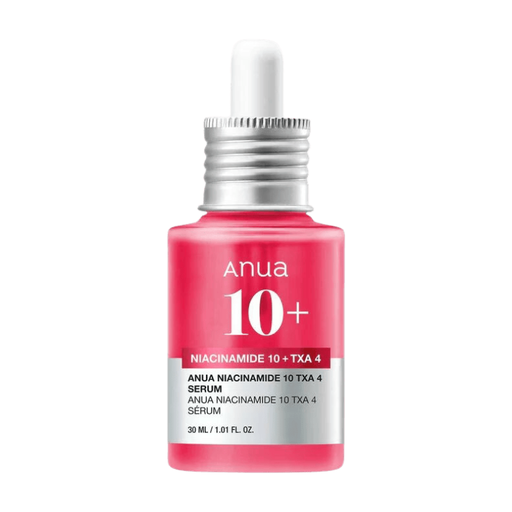
Why it suits this profile: For anyone specifically looking for a serum for hyperpigmentation and acne scars, and who deliberately wants to combine several active ingredients.
The percentages of niacinamide and tranexamic acid are clearly stated. This allows you to compare the formula rather than relying solely on the term “dark spot”.
10% niacinamide; 4% tranexamic acid; alpha-arbutin; hyaluronic acid; product information states that it is free from perfume and alcohol.
If you are mainly looking for hydration and a more even-looking complexion, you could also consider a serum for sensitive skin, a niacinamide serum or a hydrating facial serum without a high concentration of exfoliating acids.
We have compiled a complete, up-to-date list of products that fully meet these strict selection criteria and the applicable European safety regulations.
The appearance of pigmentation generally does not change after a single application. Brand product information may describe results after a certain period, but according to the relevant brand’s own research, these outcomes are not the same for every user. Consistent use and daily sun protection are more important than applying lots of product at once.
Look for a short ingredients list, a fragrance-free formula and hydrating ingredients such as glycerine, panthenol or hyaluronic acid. Take extra care with high concentrations of vitamin C, AHA and BHA. Carry out a patch test first and stop using the product if irritation persists. For severe or recurring skin complaints, consult a doctor.
This varies from product to product. Check the symbol or wording on the packaging, such as 6M or 12M, and follow any storage instructions. A vitamin C serum may be particularly sensitive to light, heat and air. Store the product as instructed and stop using it if its smell, colour or texture changes noticeably.
