
Vandaag of morgen in huis

Kwaliteit gegarandeerd

Welkomstaanbiedingen ontgrendelen: GRATIS bezorging | Tot 80% korting | Gratis 30 dagen JoyPlus-proefperiode
Download de app
Pigmentation, dark spots and an uneven complexion usually will not disappear simply because you choose the most expensive bottle. When buying a serum for pigmentation, people often focus mainly on words such as “glow”, “brightening” or “intensive”. On their own, these say little about the formula, how to use it or whether it is suitable for your skin.
A brightening serum can certainly form part of your daily skincare routine, but the result depends on several factors. These include the active ingredients, texture, shelf life and daily use of sun protection. Below, you can read which points to check before placing your order.
A vitamin C serum or alpha-arbutin serum with a prominently displayed percentage may sound appealing, but a higher concentration can also feel less comfortable on sensitive skin. So do not look only at the percentage, but also at the form of the ingredient and the rest of the ingredients list.
For example, The Ordinary Alpha Arbutin 2% + HA lists 2% alpha-arbutin, combined with sodium hyaluronate. This makes the product choice easy to assess: you know which key ingredient and hydrating component are included.
After application, skin may temporarily look smoother, softer or more radiant because of hydrating ingredients. This is different from a gradual change in the appearance of dark spots. According to Origins’ own research, 88% of users report more radiant-looking skin with the GinZing serum. This is a brand claim and not a guarantee for every individual.
Therefore, treat terms such as “reduces pigmentation” as a cosmetic expectation, rather than a guaranteed result. A serum for dark spots generally requires consistent use and realistic expectations.
The NIVEA Luminous630 Anti-Striae Body Oil Serum is intended for areas of the body affected by stretch marks and dark discolouration. According to the product description, the serum helps reduce the appearance of stretch marks and hydrates the skin for up to 48 hours. It contains fragrance and is not a standard choice for a facial skincare routine.
Therefore, always check the area of application. A hydrating face serum belongs in facial skincare; a body oil serum is developed for use on the body.
A serum for hyperpigmentation can contain various ingredients:
Having several active ingredients in one product can be useful, but it also makes it more important to introduce the formula gradually.
A watery formula is often absorbed quickly and works well under a moisturiser or sun cream. A gel texture can feel pleasant on combination or blemish-prone skin. A richer formula containing oils or soothing ingredients may be better suited to dry skin.
If you have sensitive skin, look out for fragrance, essential oils and potentially irritating ingredients. Even a product described as suitable for all skin types may still cause irritation for some individuals. Test a new product on a small area of skin first and stop using it if redness, itching or a burning sensation persists.
Do not compare the price alone, but also consider the amount of product. A 30 ml bottle and a 100 ml ampoule are difficult to compare directly. Also check the expiry information on the packaging and store vitamin C products according to the instructions, usually away from direct sunlight.
During the day, sun protection is an important part of a routine for pigmentation. Without protection, exposure to UV radiation can contribute to an uneven complexion. This is general cosmetic information and does not replace advice from a doctor or dermatologist.
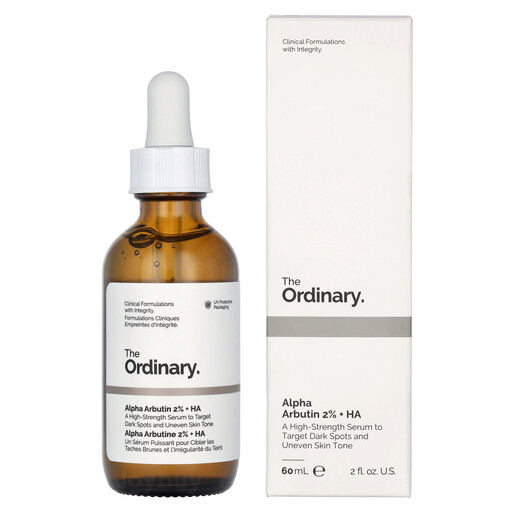
Why it suits this profile: The formula states the percentage of alpha-arbutin and contains 60 ml, making it easy to compare ingredients and volume.
The product information distinguishes between a light, water-based serum texture and the active ingredients, without confusing its intended use with that of a body product.
2% alpha-arbutin, sodium hyaluronate, 60 ml and, according to the product information, suitable for all skin types, including sensitive skin.
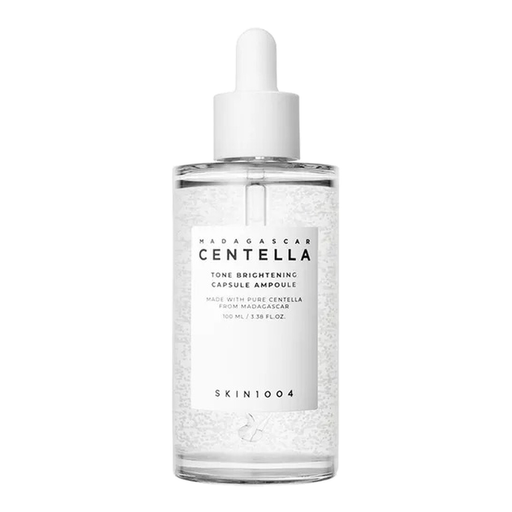
Why it suits this profile: According to the listed ingredients, this ampoule combines a generous volume with niacinamide, tranexamic acid, centella and a vitamin C derivative.
The product details clearly set out the formula and usage steps. This means you can base your choice on the ingredients and texture, rather than just on a promise of glow.
100 ml, a lightweight texture and a combination of hydrating and brightening ingredients.
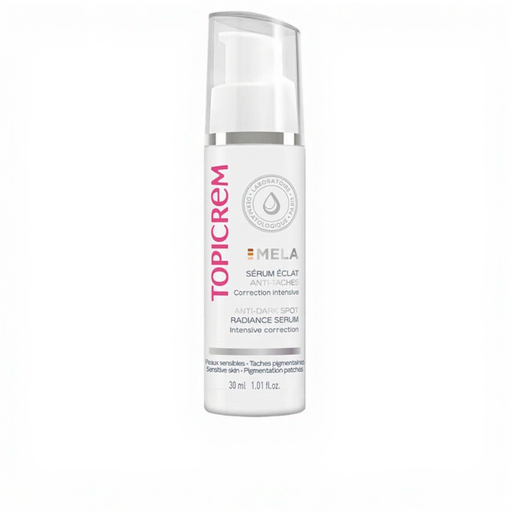
Why it suits this profile: The product information positions this serum for sensitive skin and for use on the face, neck and décolletage, in the morning and/or evening.
The choice is based on the stated skin type, rather than simply on a high percentage of active ingredients. The formula contains niacinamide, gluconolactone and a vitamin C derivative, among other ingredients.
30 ml, dermatologically and ophthalmologically tested according to the product information, with 92% ingredients of natural origin.
We have put together a complete, up-to-date list of products that fully meet these strict selection criteria and the applicable European safety regulations.
Do not immediately combine several strong products, such as a vitamin C serum, exfoliating acids and retinoids. This can make your routine unnecessarily complicated.
This varies depending on your skin, the product and the cause of the discolouration. Check the directions for use and give your routine enough time. Claims such as “results from two weeks” come from the brands concerned and are not a guarantee.
That depends on the formula. Follow the instructions on the packaging, introduce it gradually if you have sensitive skin and use sun protection during the day. Stop using the product if irritation occurs and seek advice from a doctor or pharmacist if skin problems persist.
None of these ingredients is automatically more suitable for everyone. Alpha-arbutin may suit those specifically concerned with dark spots, vitamin C derivatives may suit a brightening serum for a dull-looking complexion, and niacinamide may suit formulas that also focus on hydration and skin comfort. Always compare the complete ingredients list and the skin type for which the product is marketed.
