
Vandaag of morgen in huis

Kwaliteit gegarandeerd

Welkomstaanbiedingen ontgrendelen: GRATIS bezorging | Tot 80% korting | Gratis 30 dagen JoyPlus-proefperiode
Download de app
Pigmentation, acne marks and an uneven complexion do not disappear automatically because of an eye-catching label. When buying a serum for pigmentation, it is therefore better to focus on the ingredients, usage instructions and skin compatibility than on bold promises.
A serum may be suitable for dark spots caused by sun exposure, ageing or previous blemishes. The product is not a substitute for diagnosis or treatment. New, rapidly changing or irregular marks should be assessed by a GP or dermatologist.
A niacinamide serum with a high percentage may sound targeted, but a powerful formula can be less comfortable for sensitive or dry skin. So do not just check the percentage; look at the rest of the ingredients list too. Soothing and hydrating ingredients such as glycerine, panthenol, squalane or hyaluronic acid can make the product more comfortable to use.
Words such as brightening, glow and illuminating often describe the desired appearance, but do not always explain how a product is formulated to achieve it. Check whether the formula contains relevant ingredients, such as niacinamide, alpha-arbutin, a vitamin C derivative or tranexamic acid. Claims about visible reduction come from the brand itself; according to the relevant brand’s own research, results may vary from person to person.
A serum for sun spots or age spots makes less sense if your skin is exposed to UV radiation without protection during the day. Use a broad-spectrum sunscreen with a suitable SPF during the day. With serums containing AHA, such as lactic acid or other exfoliating acids, it is particularly important to pay attention to sun protection. Do not use an acid-containing product on irritated or damaged skin.
For sensitive or dry skin, a fragrance-free formula and hydrating ingredients can be practical. Oily or combination skin may prefer a lightweight gel or water-based texture. If you are looking for a hydrating serum, look for glycerine, panthenol, betaine, rice water or hyaluronic acid.
Also check whether the ingredients list contains fragrance, alcohol denat. or essential oils. This does not automatically make a product unsuitable, but it is useful information if your skin reacts easily.
A 30 ml bottle is standard for a facial serum. A 50 or 100 ml size may seem better value, but only if you enjoy using the product and finish it before its expiry date. Follow the instructions on the packaging. With a concentrated serum, you may wish to start by using it every other day and first test a small amount on a limited area of skin.
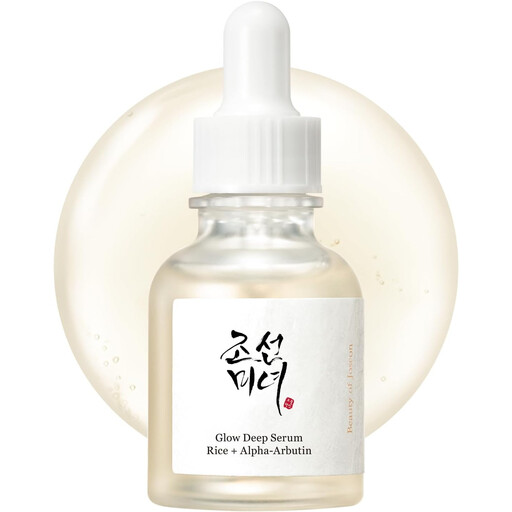
Why it suits this profile: The formula combines rice water, glycerine, 2% alpha-arbutin and niacinamide in a lightweight, hydrating texture. This makes it a straightforward starting point for anyone using a serum for dark spots for the first time.
The product information lists specific ingredients and usage advice, rather than making only a general glow claim.
30 ml; 2% alpha-arbutin; fragrance-free and alcohol-free according to the product information.
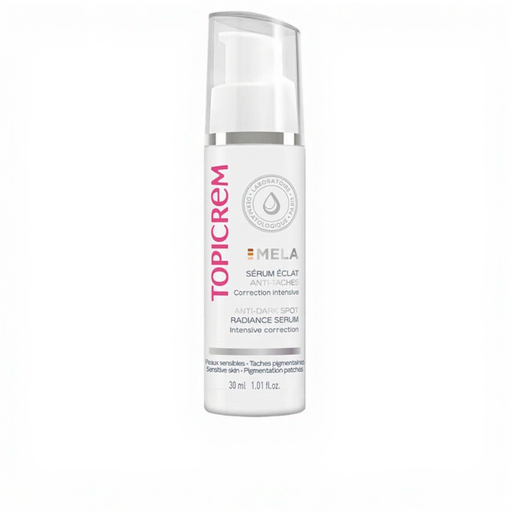
Why it suits this profile: According to the product information, this dermocosmetic serum has been developed for sensitive skin and all types of dark spots. It may suit anyone who values clear testing and provenance information.
The formula lists niacinamide, gluconolactone and a vitamin C derivative, among other ingredients; it also provides information about dermatological and ophthalmological testing.
30 ml; dispenser; 92% ingredients of natural origin according to the product information.
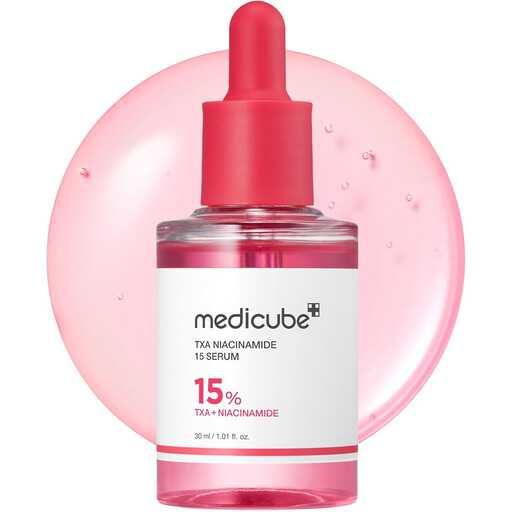
Why it suits this profile: If you are specifically looking for a highly concentrated serum for hyperpigmentation, this formula contains 15% niacinamide and tranexamic acid, according to the product description.
The niacinamide percentage and presence of tranexamic acid are clearly stated. Build up use gradually if your skin is prone to reacting.
30 ml; combination of 15% niacinamide and tranexamic acid; lightweight formula according to the product information.
A serum for an even complexion generally requires regular use. Do not expect guaranteed results within a few days. Stop using it if you experience persistent redness, itching or a burning sensation, and follow the safety information on the packaging.
We have compiled a complete, up-to-date list of products that fully meet these strict selection criteria and the applicable European safety regulations.
A serum for acne marks may help reduce the visibility of discolouration left after blemishes, according to the brand’s product claim. Choose ingredients such as niacinamide or alpha-arbutin, and use a formula your skin tolerates well. A serum will not automatically prevent new spots or scarring.
This depends on the expiry date, the period after opening and the instructions on the packaging. Make a note of when you open a bottle, store the product in a cool, dry place and close the packaging securely. A change in smell, colour or texture is a reason to stop using the product.
Sometimes, but do not combine several strong active ingredients straight away. A niacinamide serum used with a hydrating serum is generally easier to incorporate than a combination of vitamin C, AHA, BHA and a concentrated tranexamic acid serum. Test new combinations step by step and give your skin time to adjust.
