
Vandaag of morgen in huis

Kwaliteit gegarandeerd

Welkomstaanbiedingen ontgrendelen: GRATIS bezorging | Tot 80% korting | Gratis 30 dagen JoyPlus-proefperiode
Download de app
Pigmentation, dark spots and acne marks can make your complexion look uneven. A serum for pigmentation may seem like an obvious purchase, but not every product suits every skin type or routine. A high concentration, a striking claim or a well-known brand name alone says little about ease of use or tolerability.
The main pitfalls are usually:
A vitamin C serum is often chosen for dull skin and a more radiant appearance. Check which form of vitamin C has been used. The ingredients list may include 3-O-Ethyl Ascorbic Acid, Ascorbic Acid or a vitamin C derivative, for example. The concentration affects how the product should be used: according to the product information, Vitamin C23 contains 23% ascorbic acid, which is why the guidance recommends a patch test and cool storage.
A niacinamide serum is an alternative for anyone mainly looking to address an uneven complexion, visible pores or a weakened skin barrier. Check that the percentage is clearly stated. At 10% or above, it is sensible to introduce the product gradually, especially if you also use exfoliating products.
A serum for hyperpigmentation may contain AHA, such as lactic acid. According to the product description, AHA helps renew the skin’s surface, but it can make the skin more sensitive to sunlight. Therefore, use sunscreen during the day and always follow the warnings on the packaging.
Retinol is another active ingredient often found in an anti-ageing serum. The product is generally used in the evening and should be introduced gradually. Do not automatically combine retinol on the same evening with a high-dose vitamin C product, AHA or other strong exfoliants. If you are pregnant or breastfeeding, it is advisable to discuss using retinol with a healthcare professional first.
A serum that feels sticky or is heavily fragranced often ends up sitting unused. Check the ingredients list and product details. Also pay attention to:
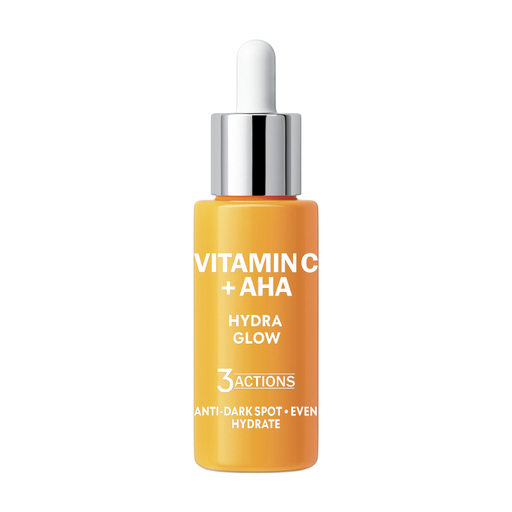
Why it suits this profile: The combination of vitamin C, AHA and niacinamide is practical for anyone looking for one product to target a dull and uneven complexion. The 40 ml size is manageable for a first introduction.
The product information lists the active ingredients and clearly warns that AHA can increase sun sensitivity. This makes the key usage requirements clear.
40 ml; vitamin C, lactic acid and niacinamide in the ingredients list; use from once a day is stated.
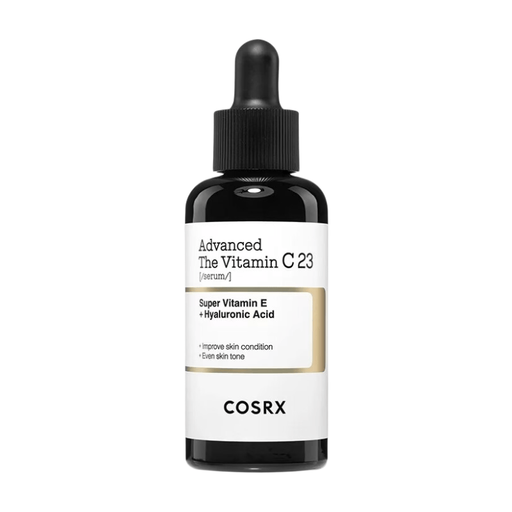
Why it suits this profile: This Korean skincare serum is ideal for users who deliberately seek a high concentration of vitamin C and are prepared to follow the storage and usage instructions carefully.
The product details state the concentration of 23% ascorbic acid. They also mention patch testing, refrigeration and use within two months of opening.
23% ascorbic acid; 20 ml; also contains panthenol, squalane, hyaluronic acid and niacinamide.
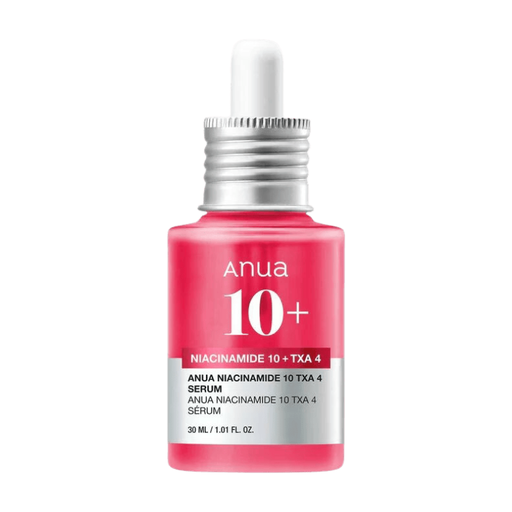
Why it suits this profile: A targeted choice for anyone looking for a serum for dark spots, acne marks and an uneven complexion, while also wanting to compare percentages.
The product information states 10% niacinamide and 4% tranexamic acid. Formula characteristics, such as being fragrance-free and alcohol-free, are also specified.
10% niacinamide; 4% tranexamic acid; 30 ml; also contains hyaluronic acid and panthenol.
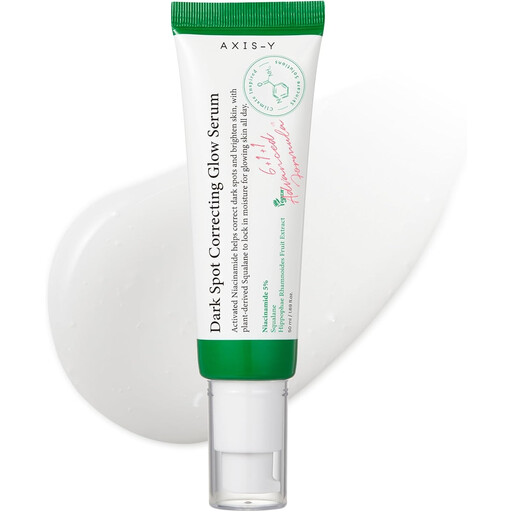
Why it suits this profile: The gel texture, fragrance-free description and 50 ml size suit anyone looking to add a simple serum for a more even complexion without combining several strong acids.
The product details state that it has a gel texture, a fragrance-free formula and is suitable for different skin types. However, always check the current packaging and ingredients.
50 ml; gel texture; according to the product details, designed to target dark spots and promote a more even complexion.
Start with clean, dry skin and apply a small amount. When trying a new product, carry out a patch test on a small area of skin first. Do not introduce several new active products at the same time; this makes it easier to see which products your skin does or does not tolerate.
Use a sunscreen with suitable protection during the day, especially when using AHA, retinol or vitamin C. Stop using the product if you experience persistent redness, swelling, itching or a burning sensation. Do not apply the serum to damaged or irritated skin and avoid contact with the eyes. If you notice lasting or significant changes to your skin, seek advice from a doctor or dermatologist.
We have put together a complete, up-to-date list of products that fully meet these strict selection criteria and the applicable European safety regulations.
Look for a serum containing niacinamide, tranexamic acid or a vitamin C derivative. A serum for acne marks is not a direct solution for every type of discolouration. Choose one active product, introduce it gradually and use UV protection during the day.
This varies by formula. Check the jar, packaging and symbol indicating the shelf life after opening. For Vitamin C23, the product information states that it should be refrigerated and preferably used within two months of opening. Store other serums according to their specific label.
This can work in some routines, but there is no need to use all the active ingredients at once. For example, start with vitamin C or niacinamide in the morning and use retinol on separate evenings. Introduce new products gradually and stop if your skin becomes irritated.
