
Vandaag of morgen in huis

Kwaliteit gegarandeerd

Welkomstaanbiedingen ontgrendelen: GRATIS bezorging | Tot 80% korting | Gratis 30 dagen JoyPlus-proefperiode
Download de app
A serum for pigmentation might seem easy to choose, until you compare the ingredient lists and marketing claims. Some products call themselves brightening serums, even though their formulas mainly contain hydrating ingredients. Others combine several active ingredients, which may be too potent for sensitive skin.
The right choice depends on more than the promise on the packaging. Look at the ingredients, the concentration of active ingredients, your skin type and how easily you can use the product consistently.
A high percentage of niacinamide or vitamin C sounds convincing, but more isn’t always more suitable. Sensitive skin may react more quickly to a potent formula. What’s more, the full ingredient list determines how a serum feels and how well it fits into your routine.
Look out for the difference between:
Terms such as “laser-inspired”, “intensive glow” or “medical strobing” describe a product’s positioning, not a guaranteed result. According to the brand’s own information, a product may help make dark spots less visible, but this isn’t a guaranteed outcome for everyone.
It’s better to check:
A serum for hyperpigmentation won’t work as a standalone part of your routine. Daylight can make discolouration more noticeable. So, use a broad-spectrum sunscreen with an appropriate SPF during the day. This advice isn’t a substitute for personal medical advice, but it’s a practical step in a skincare routine.
If you mainly want to address dark spots, look for a serum for dark spots containing ingredients such as alpha-arbutin, tranexamic acid, vitamin C or niacinamide. Azelaic acid may be worth considering if you’re concerned about redness and an uneven-looking complexion. If your skin looks dull but you don’t have any obvious spots, a lighter brightening serum with hydrating ingredients may be enough.
Don’t start using several potent serums at once. This makes it easier to see which products your skin tolerates well.
Sensitive skin often benefits more from a simple, fragrance-free formula with soothing or hydrating ingredients. Oily or blemish-prone skin may feel more comfortable with a lightweight, fast-absorbing texture. Also check whether a serum contains niacinamide if you want to avoid this ingredient.
Some practical things to consider:
A 20 to 30 ml bottle is a common size for a face serum. A larger size may seem better value, but only if you can use it within the recommended period. Vitamin C serums may also come with specific storage instructions. For example, Vitamin C23 product information states that it’s important to store the product in a cool place and use it within the specified period after opening.
When trying a new product, start with a small amount and test it on a small area of skin first. Stop using it if you experience persistent irritation, itching or swelling, and consult a doctor if necessary.
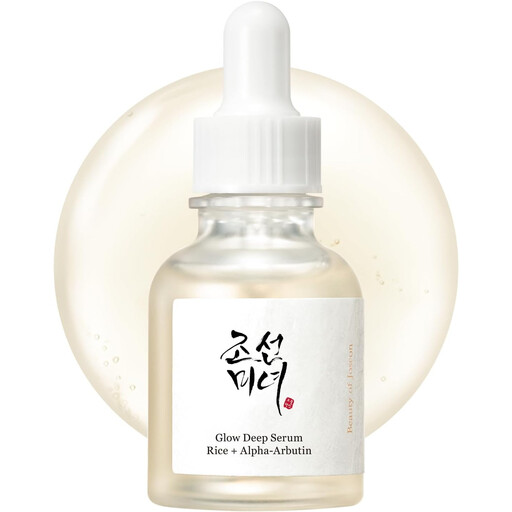
Why it suits this profile: The formula combines rice bran water, glycerine and 2% alpha-arbutin in a compact 30 ml serum, making it a good option if you want to start gently with a serum for an even skin tone.
The ingredient list and alpha-arbutin concentration are clearly stated, so you don’t have to rely on a vague promise of a glow.
2% alpha-arbutin; according to the product information, free from alcohol, fragrance and silicones.
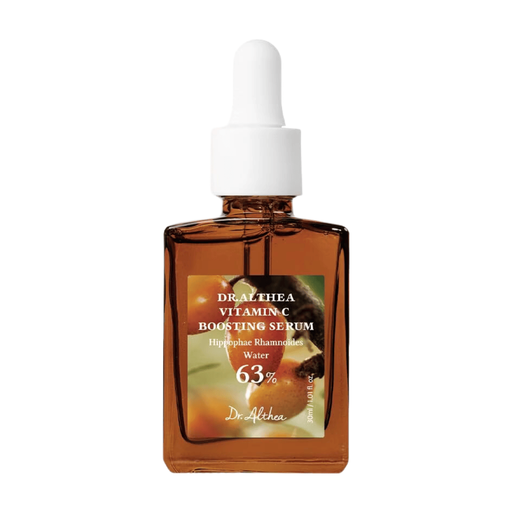
Why it suits this profile: This Korean skincare serum contains niacinamide, tranexamic acid, alpha-arbutin and vitamin C derivatives, among other ingredients. It’s a good option if you want to target several aspects of a dull, uneven complexion.
The product information lists the full formula, so you can check the combination of active ingredients and any potential sensitivities.
30 ml; contains 3-O-ethyl ascorbic acid, tranexamic acid, alpha-arbutin and ceramide NP, according to the label.
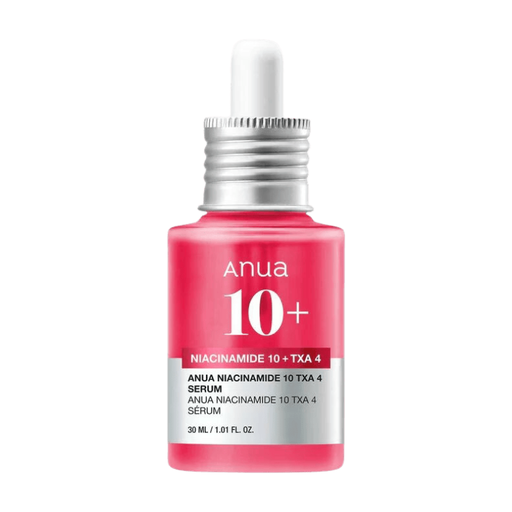
Why it suits this profile: The concentrations of 10% niacinamide and 4% tranexamic acid are clearly stated, making this a good option for users comparing serums specifically for acne marks or hyperpigmentation.
You can check the active ingredients, fragrance-free claim and directions for use in advance, rather than relying on the name “dark spot correcting” alone.
10% niacinamide; 4% tranexamic acid; 30 ml and fragrance-free, according to the product information.
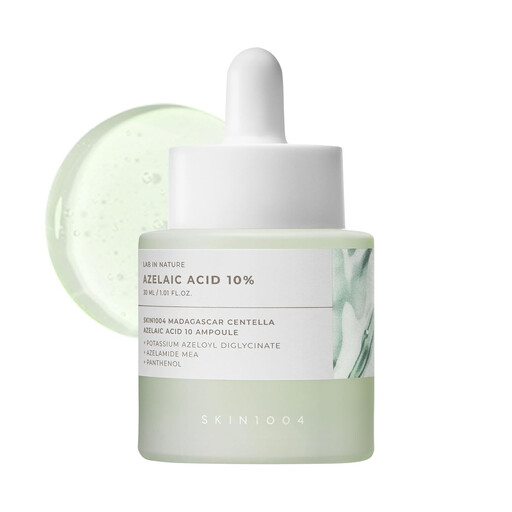
Why it suits this profile: According to the product description, this ampoule contains 10% azelaic acid and Centella Asiatica, and is niacinamide-free, making it suitable for users who want to avoid that ingredient.
The niacinamide-free formula makes it easier to see which ingredients you’re choosing. The recommended gradual introduction, using it every other day, helps new users get started carefully.
10% azelaic acid, according to the product name; Centella Asiatica; 30 ml; niacinamide-free, according to the product description.
We’ve put together a complete, up-to-date list of products that meet these strict selection criteria and current European safety regulations.
Cleanse your skin, apply a few drops of serum and finish with a moisturiser. Use sunscreen during the day. Start with one active serum at a time and follow the dosage and frequency stated on the packaging.
That depends on the amount of product, the dosage and how often you use it. At daily use, 30 ml will often last for several weeks to a few months. Always check the expiry date, the period after opening and any storage instructions.
Prices vary by brand, size and active ingredients. Don’t just compare the price per bottle: also consider the volume, ingredient list and recommended period of use. A cheaper serum that doesn’t suit your skin isn’t a practical saving in the long run.
