
Vandaag of morgen in huis

Kwaliteit gegarandeerd

Welkomstaanbiedingen ontgrendelen: GRATIS bezorging | Tot 80% korting | Gratis 30 dagen JoyPlus-proefperiode
Download de app
Pigmentation, dark spots and a dull complexion do not automatically call for a complicated routine. A serum for pigmentation can be a targeted step, but the choice of products varies considerably. Some products focus on vitamin C, while others contain niacinamide, alpha-arbutin, glutathione or tranexamic acid.
Marketing does not always make comparing products easy. Pay particular attention to the ingredients list, directions for use and suitability for your skin type.
Words such as “glow”, “brightening” and “anti-pigmentation” often describe a product’s purpose, but do not necessarily indicate the concentration or stability of its active ingredients. Check whether an ingredient actually appears in the ingredients list and roughly where it is listed. The order provides a useful indication: ingredients listed earlier are usually present in higher quantities, with exceptions for ingredients that are added in low concentrations under cosmetic regulations.
Combining a vitamin C serum with an AHA product, retinol and several exfoliants can make your skin feel uncomfortable. This is particularly true if you have sensitive or dry skin. Start with one serum for dark spots and only add a second active product later if your skin tolerates it well.
A serum for an even-looking complexion is not a substitute for sunscreen. UV radiation can make discolouration more visible and cause the skin to react more sensitively to certain ingredients. During the day, use a broad-spectrum sun protection product with an appropriate SPF and always follow the instructions on the label.
The right choice depends on your skin type, routine and preferred texture.
Do not just look at the front of the packaging. Check the full INCI list for active ingredients, fragrance, essential oils and any substances you may be allergic to. A fragrance-free formula may be a sensible choice for sensitive skin, but a patch test is still advisable.
A lightweight gel or watery ampoule often works well under day cream and sunscreen. A richer serum texture may feel more comfortable on dry skin. Also compare the volume: the products in this overview range from 15 ml to 100 ml. A larger pack is only better value if you finish the product within the recommended period of use.
Vitamin C-like ingredients can be sensitive to light and heat. Store serums according to the label, close the packaging immediately and check the expiry or PAO information. If you have any doubts about the smell, colour or texture, stop using the product. Discontinue use if you experience persistent redness, itching, swelling or a burning sensation, and seek advice from a doctor or dermatologist if necessary.
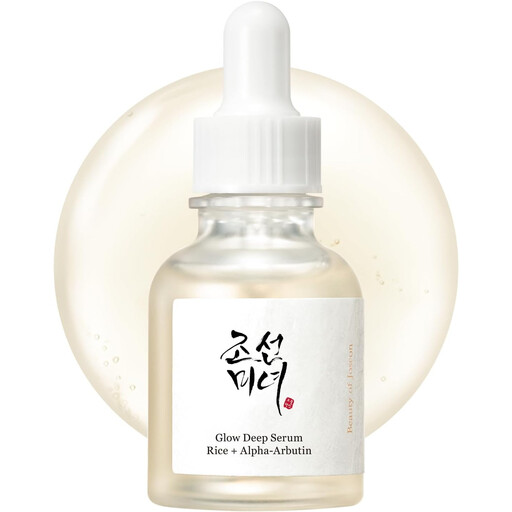
Why it suits this profile: The formula combines rice bran water, 2% alpha-arbutin and niacinamide in a lightweight, hydrating serum texture. This makes it a straightforward choice for anyone wanting to start with one serum.
The product information clearly states the alpha-arbutin concentration. You therefore do not have to rely solely on a general glow claim.
30 ml; contains 2% alpha-arbutin and niacinamide; according to the product information, it is free from fragrance and alcohol.
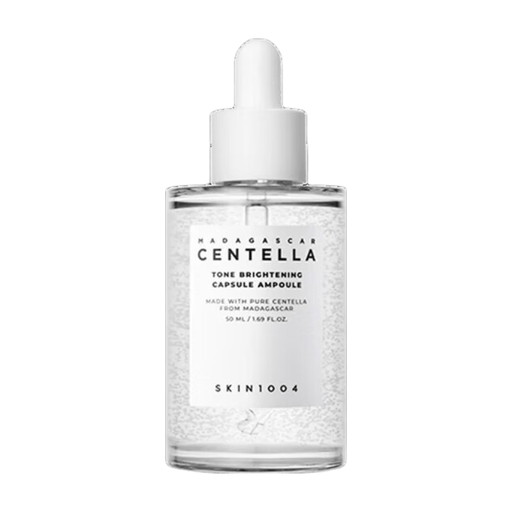
Why it suits this profile: The ingredients list includes niacinamide, tranexamic acid, centella asiatica, panthenol and a vitamin C derivative. This is suitable for shoppers who want to compare several verifiable properties.
The formula is not described simply as a brightening product; full ingredients information is provided. This helps with a targeted comparison.
50 ml; lightweight ampoule texture; contains niacinamide, tranexamic acid and centella asiatica.
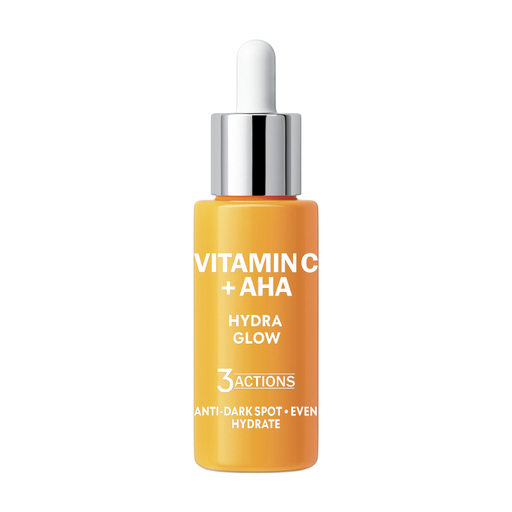
Why it suits this profile: Anyone already used to active skincare may wish to consider a formula containing lactic acid, niacinamide and 3-O-Ethyl Ascorbic Acid. Introduce it gradually and use UV protection during the day.
The product information explicitly states that AHA can increase sensitivity to the sun and that irritation is possible. This makes the usage warnings clear.
40 ml; contains AHA, niacinamide and a vitamin C derivative; advice on daily UV protection is provided.
After cleansing, apply a few drops to dry skin unless the label states otherwise. Follow with a moisturiser. If you have sensitive skin, first test a small amount on a limited area of skin. At first, use it once a day or every other day, depending on the formula.
A serum for pigmentation only works as part of a consistent routine. Do not expect guaranteed results and avoid changing products every week. If you notice new, rapidly changing or unusual pigmentation, cosmetics are not the right first step; have it assessed by a doctor.
We have compiled a complete, up-to-date list of products that fully meet these strict selection criteria and the applicable European safety regulations.
This depends on the volume, dosage and frequency of use. A 30 ml bottle will generally last longer with daily use than a product that needs to be applied generously. Check the expiry date and the period after opening on the packaging.
This can work in some routines, but it depends on the overall formula and your skin’s sensitivity. Ideally, introduce one product at a time. Use it less frequently if your skin feels tight, red or irritated.
The price varies depending on the brand, volume, ingredient and packaging. Do not compare only the price of the bottle; also consider the number of millilitres, the ingredients list and the recommended frequency of use. This gives you a more realistic idea of the cost per use.
