
Vandaag of morgen in huis

Kwaliteit gegarandeerd

Welkomstaanbiedingen ontgrendelen: GRATIS bezorging | Tot 80% korting | Gratis 30 dagen JoyPlus-proefperiode
Download de app
Pigmentation, acne marks and an uneven skin tone won’t disappear simply because a product has the word “brightening” on the packaging. A serum for pigmentation can be a practical addition to your routine, but the right choice depends on your skin type, the cause of the discolouration and how you use the product.
As a Joybuy Product Recommendation Officer, I focus on information that can be checked: ingredients, concentrations, size, directions for use and warnings. This helps you avoid paying for a promise that doesn’t suit your skin.
Some brands say you can see results after a few weeks. Whether based on the brand’s own research or a user test, this doesn’t mean everyone will see the same results. Pigmentation can have various causes, such as sunlight, hormonal changes or marks left behind by spots.
So don’t just look at the claim. Check:
A vitamin C serum, niacinamide serum, AHA exfoliant or azelaic acid serum can each have a different place in your routine. However, using several potent products at once can cause stinging or redness, or make your routine difficult to manage.
Where possible, start with one product. First, test a small amount on a limited area of skin, then gradually increase how often you use it. Stop if irritation persists, and speak to a doctor or skincare professional if you’re unsure.
A serum for hyperpigmentation targets existing discolouration, but daily exposure to UV rays can make new areas of discolouration appear. Products containing vitamin C derivatives, AHA or other exfoliating ingredients may also affect your skin’s sensitivity to sunlight.
Use a suitable sunscreen during the day and always follow the warnings on the packaging. This is particularly important if you use a serum for dark spots regularly.
The ingredients list tells you more than eye-catching claims on the front of the packaging. Look out for these options:
A short ingredients list isn’t automatically a better fit. Focus on the combination of active ingredients, fragrance, alcohol and soothing ingredients such as glycerine, panthenol or centella asiatica.
Sensitive or dry skin: choose a light formula with hydrating and soothing ingredients. At first, avoid combining several acids or using heavily fragranced products.
Oily or acne-prone skin: consider the texture and, if you prefer, choose an oil-free formula. A serum for acne and marks may contain ingredients such as niacinamide, azelaic acid or BHA. Don’t use several exfoliants at once without a good reason.
Dull skin and uneven skin tone: a vitamin C serum, niacinamide serum or formula containing tranexamic acid may suit what you’re looking for. Still, compare how often to use each product and check the warnings.
Body pigmentation or stretch marks: a facial serum isn’t automatically suitable for larger areas of the body. Choose a product specifically intended for the body and check the size, for example 100 ml rather than 30 ml.
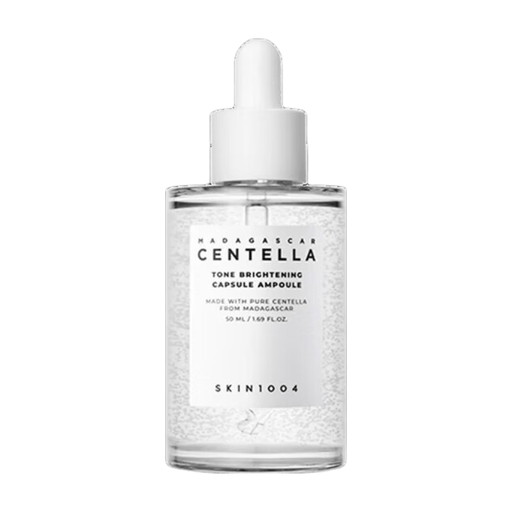
Why it suits this profile: This 50ml ampoule combines niacinamide, tranexamic acid, centella asiatica, panthenol and a vitamin C derivative in one formula. It’s a straightforward choice if you don’t want to combine several serums.
The product description provides a full ingredients list and usage warnings, so you can check in advance whether the formula suits your routine.
50 ml; niacinamide and tranexamic acid; centella asiatica and panthenol as supporting ingredients.
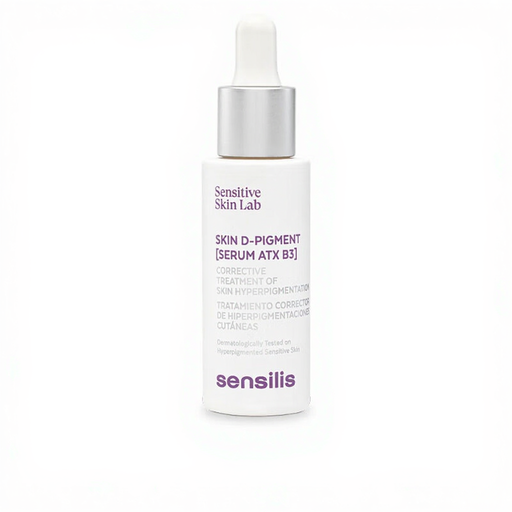
Why it suits this profile: If you want to compare percentages, the product information lists a formula with 10% niacinamide, 3% azeloglycine and 2% tranexamic acid.
The concentrations are clearly stated, so you don’t have to rely on terms such as “intensive” or “corrective”. Do note the warning not to use the product around the eyes.
30 ml; high stated concentration of niacinamide; azeloglycine and tranexamic acid in the same formula.
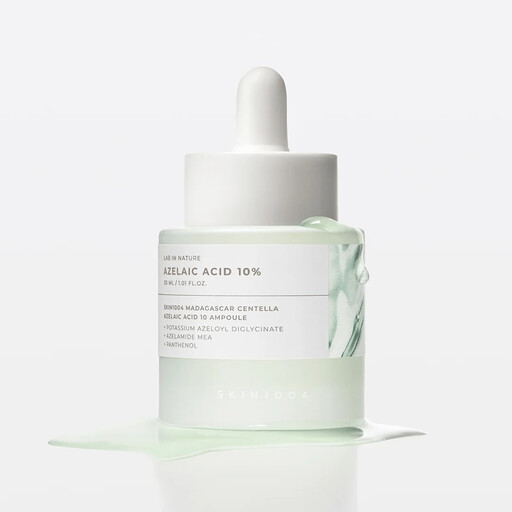
Why it suits this profile: This small ampoule contains 10% azelaic acid and is intended for people looking to target visible marks and an unsettled-looking complexion.
The directions recommend using it every other day during the first week. This helps you build up gradually rather than applying a lot of product every day from the outset.
10% azelaic acid; centella asiatica, panthenol and hyaluronic acid; clear instructions for gradually building up use.
We’ve put together a comprehensive, up-to-date list of products that meet these strict selection criteria and current European safety requirements.
Apply the serum to cleansed skin and follow the dosage on the label. Two to three drops are enough for many facial serums, but always follow the instructions on the packaging. Follow with a moisturiser if your skin feels tight.
Store the product in a cool, dry place away from direct sunlight. Close the packaging securely after use, and check the expiry date and the period after opening. It’s best not to use the product if the formula has changed colour, smells different or has otherwise changed significantly.
It depends on the formula, your skin and the type of mark. Brands may report results after a few weeks, but these claims come from their own research or user tests. Regular use and daily sun protection matter more than applying a large amount of product just once.
This may work in some routines, but your skin can react to several active ingredients. Start with one product and only add a second later. If you experience stinging, redness or itching, reduce how often you use it or stop using it.
Not every serum is. Check for fragrance, alcohol, acids and the concentration of active ingredients. Introduce it gradually, test it on a small area of skin first and don’t apply it to damaged or sunburnt skin. If symptoms persist, it’s sensible to seek medical advice.
