
Vandaag of morgen in huis

Kwaliteit gegarandeerd

Welkomstaanbiedingen ontgrendelen: GRATIS bezorging | Tot 80% korting | Gratis 30 dagen JoyPlus-proefperiode
Download de app
Pigmentation, post-acne marks and a dull complexion do not automatically disappear just because a serum has eye-catching packaging or a high percentage on the label. When buying a serum for pigmentation, it is better to consider the complete formula, how easy it is to use and how well the product suits your own skin.
As a Joybuy Product Recommendation Officer, I mainly filter marketing language from verifiable product information. Below, you can read about the pitfalls that often lead to buying the wrong product, which specifications matter and which popular choices suit different skin needs.
A high-percentage vitamin C serum may seem appealing, but a higher concentration can also feel less comfortable on sensitive or reactive skin. There are also different forms of vitamin C. A stable derivative, such as ascorbyl glucoside or 3-O-ethyl ascorbic acid, is not the same as pure ascorbic acid.
So do not just look at the percentage. Also check:
The terms brightening serum, “glow” and “even complexion” often describe a product’s cosmetic purpose. They do not guarantee that a mark will disappear completely. According to the brands’ own product information, some formulas are intended to help reduce the appearance of dark marks, dullness or an uneven complexion. Results may vary depending on your skin and skincare routine.
Be cautious with products that make big claims about “melanin”, “scars” or “anti-ageing”. A cosmetic serum is not a medical treatment. If pigmentation appears suddenly, changes or persists, it is wiser to seek advice from a GP or dermatologist.
A serum for hyperpigmentation is often used in the morning or evening, but sun exposure remains an important factor in visible discolouration. Follow the instructions for use and apply a sunscreen offering appropriate protection during the day. This is particularly relevant for formulas containing vitamin C derivatives, exfoliating ingredients or a high concentration of active ingredients.
A watery formula often feels lightweight and may be comfortable for combination or oily skin. A gel-like or milky texture may be a better fit if you are also looking for hydration. A serum for all skin types is not automatically suitable for everyone: fragrance, alcohol, oils or a high concentration of active ingredients may not work well for every individual.
Check the expiry date, the period after opening and the storage instructions. For example, Vitamin C23 serum states that it should be refrigerated and used within two months of opening to maintain product quality. This makes such a formula less practical if you are looking for a straightforward product to keep in your bathroom cabinet.
Always carry out a patch test before using a new serum. Do not introduce several new active products at the same time. This makes it easier to identify which product may have caused a reaction.
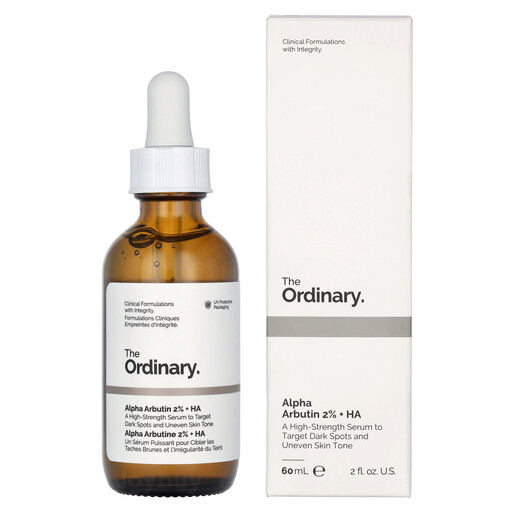
Why it suits this profile: The watery formula contains 2% alpha-arbutin and hyaluronic acid. At 60 ml, it is a practical choice for anyone looking for a simple first routine.
The ingredients and concentration are clearly stated, so you do not have to rely solely on a general “glow” claim.
2% alpha-arbutin, hyaluronic acid, a lightweight texture and a 60 ml size.
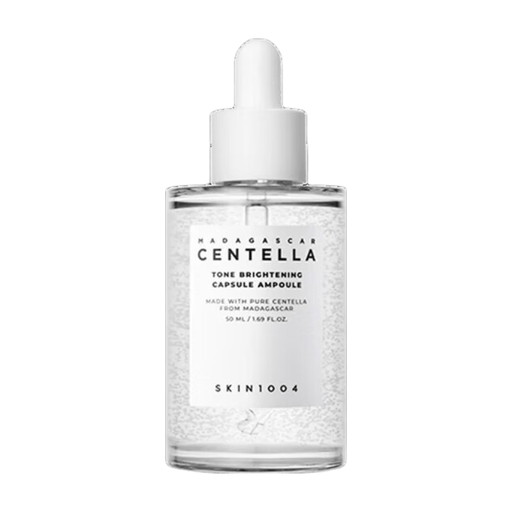
Why it suits this profile: The formula combines niacinamide, tranexamic acid, centella asiatica and a vitamin C derivative for anyone wanting to address several aspects of an uneven complexion.
The ingredients list makes it clear that this is not a single-ingredient alpha-arbutin serum, but a broader combination for complexion and hydration.
50 ml size, a lightweight ampoule texture and several named active ingredients.
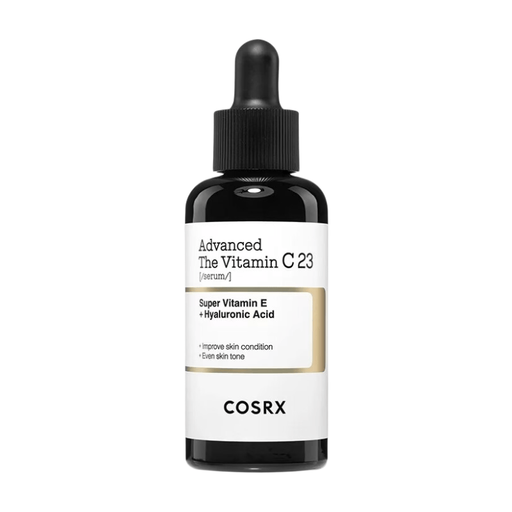
Why it suits this profile: According to the product information, this serum contains 23% ascorbic acid and requires refrigerated storage. It suits users who can follow the storage advice and use it within a short period.
The label states the high concentration, refrigerated storage requirement and advice to use the product within two months of opening.
23% pure vitamin C, a 20 ml size and clear storage instructions.

Why it suits this profile: The product description mentions a watery texture, vitamin C, niacinamide and a formula without fragrance or colourants.
The formula focuses on more than brightening, also highlighting its lightweight texture and lack of fragrance.
30 ml size, vegan according to the product information, fragrance-free and with a non-sticky texture.
We have put together a complete, up-to-date list of products that fully meet these strict selection criteria and the applicable European safety regulations.
Do not immediately combine several strong products, such as a high-dose vitamin C serum, retinol and exfoliating acids. Stop using the product if irritation persists and consult a doctor if you are unsure.
That depends on your skin type and the rest of your routine. A serum for acne marks may contain niacinamide, tranexamic acid, alpha-arbutin or azelaic acid. Choose one formula to start with and check the fragrance, alcohol content and total amount of active ingredients.
Cosmetic results vary from person to person. Use the product consistently according to the packaging and do not assess your skin after just a few days. Taking photos in comparable lighting can help you compare changes in your complexion more effectively. If a mark continues to change or stands out because of its shape or colour, seek medical advice.
Often, yes, but check the ingredients first. A Korean skincare serum containing niacinamide, tranexamic acid or vitamin C will not necessarily work well alongside several other active serums. Keep your routine straightforward, introduce new combinations cautiously and use sun protection during the day.
