
Vandaag of morgen in huis

Kwaliteit gegarandeerd

Welkomstaanbiedingen ontgrendelen: GRATIS bezorging | Tot 80% korting | Gratis 30 dagen JoyPlus-proefperiode
Download de app
Pigmentation, dark spots and post-acne marks rarely disappear just because a product comes in eye-catching packaging or has a high concentration of ingredients. If you’re buying a serum for pigmentation, it’s better to look at the formula as a whole, how well your skin tolerates it and how it fits into your daily routine.
A serum can help support a serum for an even-looking complexion and a brighter appearance, but results vary from person to person. Brand product information generally describes cosmetic effects; it is not a guarantee and does not replace medical advice.
A niacinamide serum with 10 or 15 per cent may sound appealing, but a higher concentration can be less comfortable for sensitive skin. A vitamin C serum containing pure ascorbic acid can also feel irritating. So don’t look at the percentage alone. Check for hydrating and soothing ingredients such as glycerine, panthenol, centella or hyaluronic acid too.
A brightening serum won’t automatically protect your skin from UV rays. Daily sun protection remains important when you’re working on an uneven skin tone. Product information for some formulas, such as those containing vitamin C, exfoliating acids or kojic acid, places extra emphasis on sun protection.
A common mistake is combining a serum for hyperpigmentation with several acids, retinoids and highly concentrated vitamin C. This can make your skin feel uncomfortable. It’s better to start with one product, use a small amount and gradually increase how often you apply it. Stop if redness, itching or a burning sensation persists.
The following ingredients are often found in serums for post-acne marks or pigmentation:
Check the full ingredients list. An ingredient near the top is generally present in a greater amount than one near the bottom. However, this alone doesn’t tell you how effective the product will be for you.
For dry or sensitive skin, a lightweight but hydrating formula containing glycerine, ceramides or hyaluronic acid is a practical plus. If you have oily or combination skin, a gel-like, non-sticky texture may feel more comfortable.
Also check for features such as fragrance-free, alcohol-free and oil-free. These terms don’t determine quality on their own; they mainly help you choose a formula that suits your preferences and how your skin reacts. When trying a new formula, test it on a small area of skin first.
Vitamin C formulas can be sensitive to light, air and heat. Store them as directed on the label and close the packaging immediately after use. When your order arrives, check the batch information, expiry date and period after opening. The information on the label you receive takes precedence over general information on a webshop.
Apply serum to cleansed skin, followed by a moisturiser. During the day, finish your routine with a suitable sunscreen. Avoid contact with the eyes and don’t use the product on broken skin.
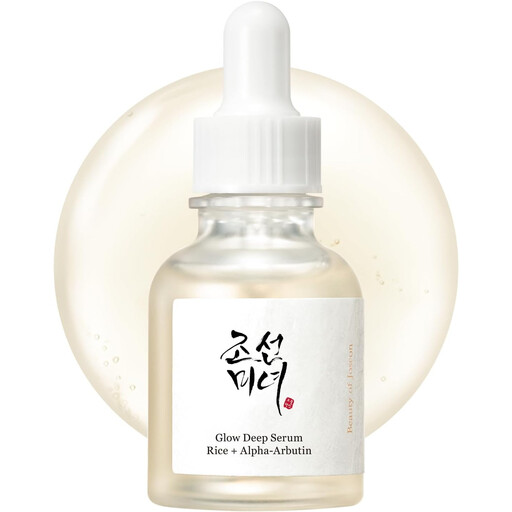
Why it suits this profile: With a straightforward formula containing 2% alpha-arbutin and rice bran water, this is a good choice if you’re looking for a simple serum for an even-looking complexion.
The product information clearly states the concentration and how to use it, so you don’t have to rely on a general claim such as “glow” alone.
30 ml; 2% alpha-arbutin; rice bran water; described as fragrance-free and alcohol-free in the product information.
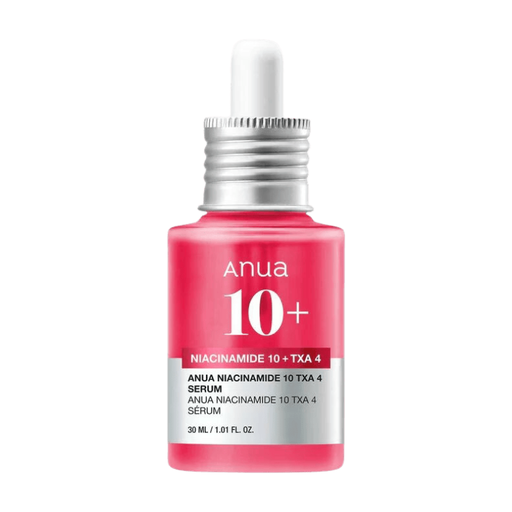
Why it suits this profile: This Korean skincare serum is for anyone who wants to compare niacinamide and tranexamic acid carefully and values a lightweight texture.
The percentages of niacinamide and TXA are clearly stated. According to the product description, the formula also contains alpha-arbutin and several hydrating ingredients.
10% niacinamide; 4% tranexamic acid; 30 ml; described as fragrance-free and alcohol-free in the product specifications.
We’ve put together a complete, up-to-date list of products that meet these strict selection criteria and current European safety regulations.
Cleanse your face, apply a small amount of serum and finish with a moisturiser. Use sun protection during the day. If you’re using an active formula, start by applying it every other day and only increase how often you use it if your skin remains comfortable. Always follow the instructions on the label.
It depends on the amount in the bottle, how much you use and how often you apply it. A 30 ml bottle will often last several weeks to a few months if you use a few drops each time. Pay particular attention to the shelf life after opening, for example 6 or 12 months if stated on the packaging. It’s especially important to store vitamin C as directed.
Price is affected by factors including the concentration, amount, packaging and brand. So compare more than just the price of the bottle: check the number of millilitres, the recommended amount to use and the active ingredients too. A simple formula that you use consistently may be more practical than an expensive product you hardly apply because it irritates your skin.
