
Vandaag of morgen in huis

Kwaliteit gegarandeerd

Welkomstaanbiedingen ontgrendelen: GRATIS bezorging | Tot 80% korting | Gratis 30 dagen JoyPlus-proefperiode
Download de app
Pigmentation, acne marks and a dull or uneven complexion will not disappear automatically just because a bottle says “glow” or “brightening” on the packaging. If you are buying a serum for pigmentation, it is therefore better to look beyond the marketing promise. The formula, concentration, skin compatibility and usage instructions determine whether a product suits your routine.
A vitamin C serum with a high percentage or a niacinamide serum with a potent concentration may seem appealing. However, an intensive formula may be less suitable for sensitive skin. A burning sensation or persistent redness is not a sign that a product is “working”, but a reason to stop using it and allow your skin to recover.
Plant extracts, fruit waters and botanical oils may be part of a serum for dark spots, but they can also contain fragrances or essential oils. Always check the full ingredients list. Do not rely solely on claims such as vegan, clean beauty or natural.
A serum for hyperpigmentation may help reduce the appearance of marks according to the product description, but exposure to UV radiation can make discolouration visible again. During the day, use a sun protection product that suits your skin, especially when a formula contains vitamin C, AHA or other active ingredients.
Choose an ingredient that matches your goal:
A higher percentage is not automatically necessary. For example, a formula with 2% alpha arbutin may be more appealing to someone who wants to build up gradually than a product containing several highly concentrated acids.
For sensitive skin, a short ingredients list, a fragrance-free formula and a low frequency of use are practical considerations. If you have acne-prone or blemish-prone skin, consider the texture: a lightweight gel or water-based formula often feels more comfortable than a richer, oil-based product.
Do not use several intensive products at the same time. For example, do not combine a potent vitamin C serum with an AHA/BHA product and retinol without careful consideration. Introduce one new product at a time so that you can see more clearly how your skin reacts.
Check the net volume, shelf life and information provided after opening. According to the product description, some vitamin C formulas require cool, dark storage. For example, Vitamin C23 is recommended to be kept refrigerated and used within two months of opening to help preserve the active ingredients.
Apply a serum after cleansing, usually after toner if you use one, and before moisturiser. A patch test on a small area of skin is advisable. Avoid contact with the eyes and do not use a product on damaged or irritated skin. If irritation persists, stop using the product and seek medical advice.
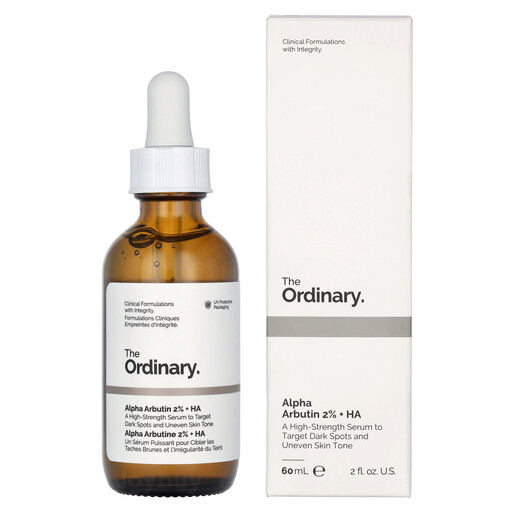
Why it suits this profile: The formula has a straightforward composition with 2% alpha arbutin and hyaluronic acid, allowing you to get started in a targeted way without combining several active products.
The product information does not mention a complicated combination of acids. The watery texture and clear usage instructions make it practical to build up gradually.
60 ml contents, 2% alpha arbutin, hyaluronic acid and a water-based formula. According to the product information, it is suitable for all skin types, including sensitive skin.
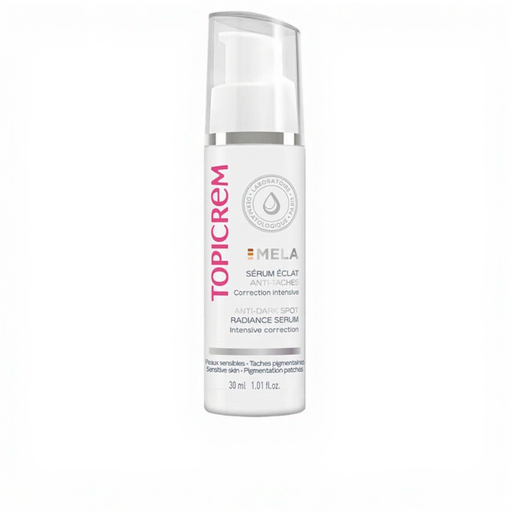
Why it suits this profile: This dermocosmetic serum is designed to target different types of dark spots and, according to the product information, is suitable for sensitive skin.
The product page lists the skin type, volume, usage instructions, as well as dermatological and ophthalmological testing. This means you can base your choice on more than just a glow claim.
30 ml contents, niacinamide and 3-O-ethyl ascorbic acid in the ingredients list, plus stated suitability for sensitive skin.
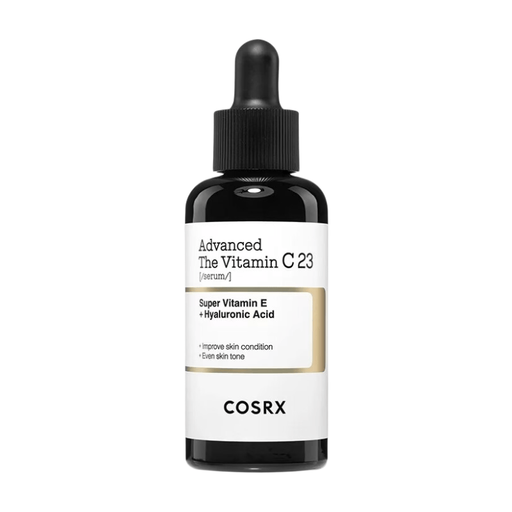
Why it suits this profile: For users deliberately seeking a concentrated vitamin C serum who are prepared to take storage, patch testing and combining it with other active ingredients seriously.
The product information clearly states 23% ascorbic acid, refrigerated storage and avoiding retinol and copper peptides at the same time.
23% vitamin C, 20 ml contents and additional ingredients such as panthenol, squalane and hyaluronic acid. The product information recommends SPF 30 or higher when used in the morning.
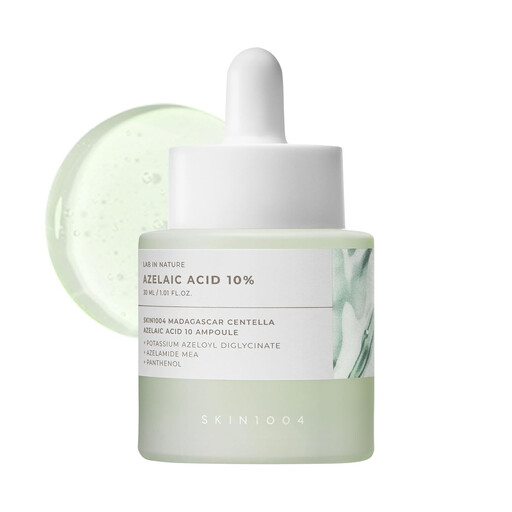
Why it suits this profile: The niacinamide-free formula is intended for users who want to combine azelaic acid with centella and lightweight hydration.
The advice to use it every other day during the first week supports a cautious start. According to the product information, the formula does not contain niacinamide.
10% azelaic acid, centella asiatica and usage guidance of 2 to 3 drops. The ampoule is designed for blemish-prone and sensitive skin.
We have put together a complete, up-to-date list of products that fully meet these strict selection criteria and the applicable European safety regulations.
Cleanse your face and apply a few drops according to the label. Follow with a moisturiser. When using it in the morning, UV protection should be the final step. If you are using an active formula, start a few times a week and only increase usage when your skin tolerates it well.
This depends on the volume, the number of drops used each time and the shelf life after opening. A 30 ml bottle will generally last longer with daily use than a product applied generously to specific areas. Always check the symbol and instructions on the packaging.
The price is influenced by factors including the brand, volume, concentration and packaging. Compare the price per millilitre and consider which active ingredients you actually need. A simpler alpha arbutin serum may be sufficient if you are primarily looking for an even complexion and hydration; a concentrated vitamin C serum may require more care when it comes to storage and combining it with other products.
