
Vandaag of morgen in huis

Kwaliteit gegarandeerd

Welkomstaanbiedingen ontgrendelen: GRATIS bezorging | Tot 80% korting | Gratis 30 dagen JoyPlus-proefperiode
Download de app
Dark spots, post-acne marks and a dull complexion do not automatically require a complicated routine. A suitable serum for pigmentation can be a targeted step, but the real difference lies in the formula, concentration and how it is used. Marketing phrases such as “intense glow effect” say little about the actual composition on their own.
As a Joybuy Product Recommendation Officer, I therefore focus primarily on verifiable information: ingredients, stated concentrations, volume, usage instructions and warnings shown on the product page or packaging.
A serum containing dozens of ingredients is not automatically more effective. First, look at the active ingredients that are relevant to your specific goal. In a brightening serum, these may include alpha-arbutin, vitamin C, niacinamide, tranexamic acid or azelaic acid. A hydrating base with glycerin, panthenol or hyaluronic acid can also be important for a comfortable skin feel.
Pay attention to where an ingredient appears in the list. Its exact performance cannot be predicted from the ingredient list alone, but the list can help put marketing claims into perspective.
A higher percentage is not practical for everyone. A vitamin C serum containing 23% ascorbic acid may appeal to experienced users, but sensitive or blemish-prone skin may benefit more from a gentler formula. If in doubt, start by using the product less frequently and patch-test it on a small area of skin first.
According to product information, the Vitamin C23 serum contains 23% ascorbic acid, and refrigerated storage is recommended. The manufacturer also states that the product should be used within two months of opening for optimal product quality. Always check the packaging you receive.
A serum for hyperpigmentation is not a substitute for sunscreen. According to the product information, formulas containing vitamin C, AHA or other exfoliating ingredients may require particular attention to UV protection. Use a suitable sunscreen during the day and follow the instructions on the label. If persistent irritation, swelling or a burning sensation occurs, discontinue use.
Choose the ingredient according to your primary skin concern:
Brands may describe performance differently. Claims such as “reduces dark spots” or “improves the skin barrier” come from the brand’s product description and should not be interpreted as guaranteed results.
A gel serum often feels lightweight and can be comfortable for oilier or blemish-prone skin. A formula containing glycerin, panthenol, ceramides or hyaluronic acid is generally better suited to dry or tight-feeling skin. If you are looking for a hydrating facial serum, you do not necessarily need to choose an oily texture.
Also check whether the formula contains fragrance or alcohol. According to the product details, Beauty of Joseon Glow Deep Serum is alcohol-free and fragrance-free, among other features. The SKIN-UNIFY INTENSIVE ingredient list, by contrast, contains fragrance and benzyl alcohol. This does not automatically make the product unsuitable, but it is relevant information for sensitive skin.
Do not compare price alone; consider the volume as well. In this selection, sizes range from 7 ml to 50 ml. A small serum may be suitable for targeted use or for testing a formula first. A 30 or 50 ml bottle is more practical for daily use across the entire face.
Check the shelf-life information on the packaging and store vitamin C products as directed. For better hygiene, do not touch the skin directly with the dropper.
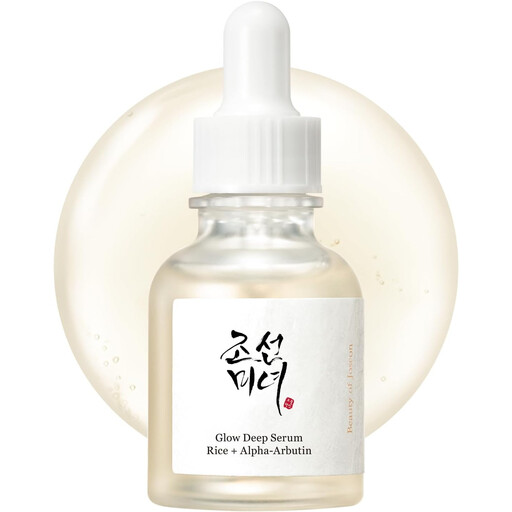
Why it’s a good fit: A straightforward choice for anyone starting a Korean skincare routine and primarily looking to address dullness and an uneven complexion.
The product details state a clear concentration of 2% alpha-arbutin, alongside rice bran water and niacinamide. You therefore do not have to rely solely on a general glow claim.
30 ml, with glycerin and panthenol in the formula. According to the product information, the serum is vegan, alcohol-free and fragrance-free.
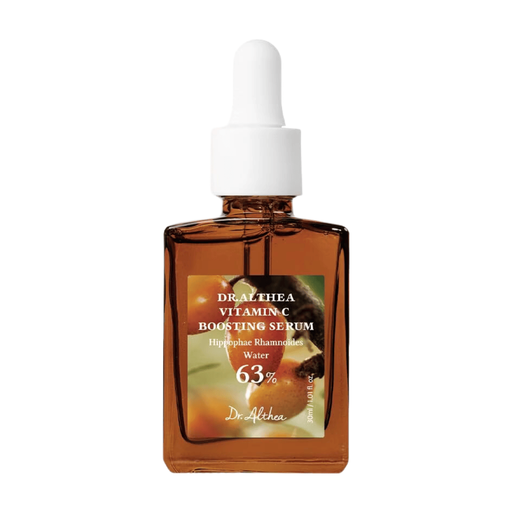
Why it’s a good fit: For users who want hydrating and soothing ingredients alongside vitamin C in a single serum.
The product description names 3-O-ethyl ascorbic acid, niacinamide and tranexamic acid. However, check the current packaging before making your choice.
30 ml, with panthenol, glycerin, ceramide NP and hyaluronic acid, among other ingredients. The brand describes the texture as lightweight and non-sticky.
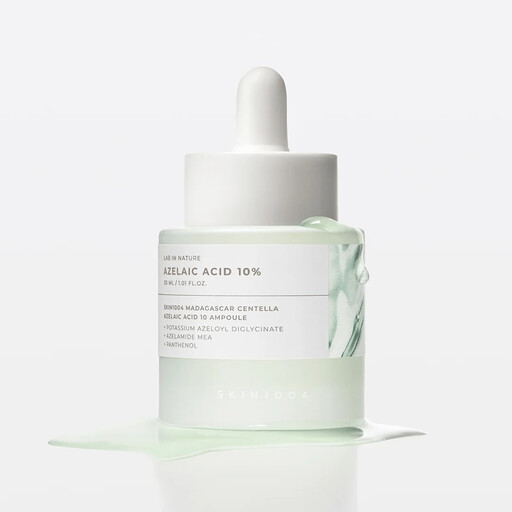
Why it’s a good fit: For anyone looking to address visible post-acne marks, redness and a troubled-looking complexion with a targeted routine.
The product information lists 10% azelaic acid and recommends starting every other day during the first week. This helps prevent applying it too frequently from the outset.
Contains centella, panthenol, allantoin and hyaluronic acid, among other ingredients. A 30 ml variant with a niacinamide-free formula is also available.
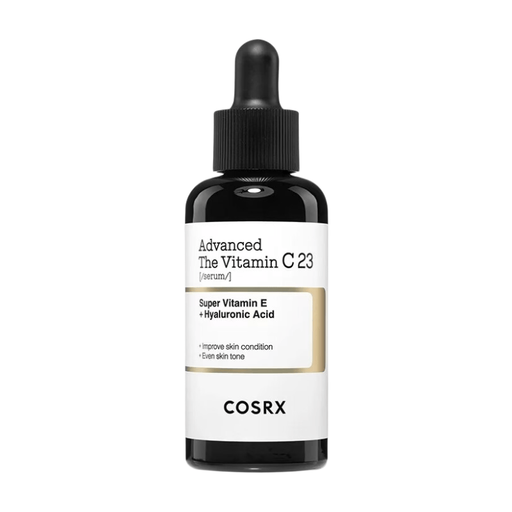
Why it’s a good fit: A targeted option for adults who already understand how their skin responds to a highly concentrated vitamin C serum.
The product details clearly state a concentration of 23% ascorbic acid. This makes it clear that it is not a mild beginner formula.
20 ml, with panthenol, squalane and hyaluronic acid. The product information recommends refrigeration and use within two months of opening.
Explore a current selection of products with different ingredients, textures and skin profiles for a radiant facial skincare routine.
Do not immediately combine several potent products, such as a vitamin C serum with an AHA/BHA product and retinol. A simple routine is often easier to maintain than a regimen packed with multiple active steps.
This varies according to your skin, the type of mark and your routine. Cosmetic products do not guarantee results within a fixed timeframe. Use the serum consistently as directed on the label, and take regular photos in comparable lighting if you want to monitor changes.
Sometimes, but choose carefully. Look for a fragrance-free formula, a lower usage frequency and soothing ingredients such as panthenol or centella. Test a small amount first. Discontinue use if irritation persists, and consult a doctor or pharmacist if you have ongoing skin concerns.
No. A serum is just one step in your routine. Daily UV protection is particularly important when using products containing vitamin C, AHA or other exfoliating ingredients. Always check the warnings and usage instructions on the packaging.
