
Vandaag of morgen in huis

Kwaliteit gegarandeerd

Welkomstaanbiedingen ontgrendelen: GRATIS bezorging | Tot 80% korting | Gratis 30 dagen JoyPlus-proefperiode
Download de app
Dark spots, sun spots and an uneven complexion may be reasons to look for a serum for pigmentation. There is a wide range to choose from: from an anti-pigmentation serum with vitamin C to a niacinamide serum, brightening serum or formula with tranexamic acid and alpha-arbutin. However, a prominent claim on the packaging does not tell you everything about whether a product is suitable for your skin.
Pay particular attention to the ingredients list, directions for use and texture. This helps you avoid buying a serum that feels too strong, does not sit well under your day cream or ends up unused in the bathroom after a few weeks.
A higher percentage of niacinamide or vitamin C may sound appealing, but it can feel less comfortable on sensitive skin. Tolerance depends on the complete formula, the combination of other active ingredients and how often you use the product. A serum for hyperpigmentation does not automatically need to be a highly concentrated formula.
Brands use terms such as “radiant skin”, “glow” and “anti-ageing”. These are broad descriptions. So check what is actually listed in the ingredients. For example, a vitamin C serum may contain a vitamin C derivative rather than pure ascorbic acid. Both variants have different properties in terms of formulation and use.
Claims about visible results come from the brand itself. According to NIVEA’s own research, for example, users reported a visible change within certain periods of use. Such results are not guaranteed for every user.
A serum for pigmentation does not replace sunscreen. With ingredients such as vitamin C derivatives, AHA or BHA, skin may react more sensitively to sunlight. Use a sun protection product during the day according to the label and limit prolonged exposure. If you have existing or changing skin spots, it is advisable to consult a doctor or dermatologist.
Check whether the formula matches your goal:
Also check for fragrance, alcohol and essential oils when looking for a serum for sensitive skin. “Dermatologically tested” describes a test carried out on the product; it does not mean that irritation is ruled out for every user.
A lightweight gel or water-based texture is often a good fit for oily or combination skin and can be applied easily under a moisturiser. A richer formula with glycerine, squalane, hyaluronic acid or shea butter may feel more comfortable on dry skin.
Also pay attention to the product description:
Vitamin C formulas can be sensitive to light, heat and air. Always follow the storage instructions on the packaging. For Vitamin C23, for example, the product information recommends cool storage and use within a limited period after opening.
Generally, use a serum after cleansing and before moisturiser, unless the label instructs otherwise. Introduce new active ingredients gradually and do not immediately combine several strong products in the same routine.
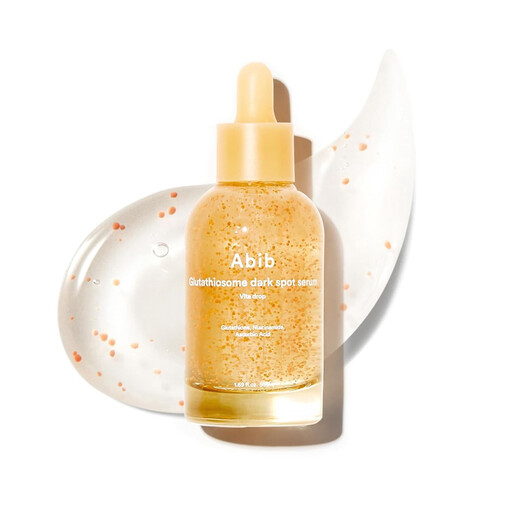
Why it suits this profile: The lightweight texture and 50 ml size are practical for everyday use when you want to try a simple brightening serum.
The product description calls the texture lightweight and non-sticky. The microbeads are visible and, according to the description, dissolve when applied.
50 ml, lightweight formula and, according to the product information, suitable for normal, dry, oily, combination and sensitive skin.
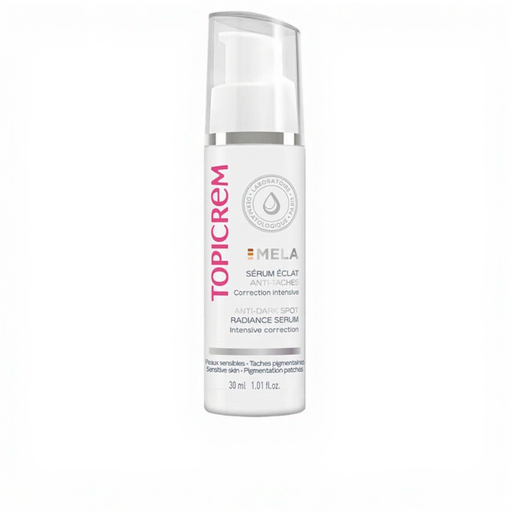
Why it suits this profile: A suitable option for anyone looking for a targeted formula for sensitive skin and who values clear product information.
The ingredients list includes niacinamide, a vitamin C derivative, gluconolactone and squalane, among other ingredients. This lets you compare the formula in concrete terms rather than relying solely on the word “brightening”.
30 ml, pump packaging and, according to the product information, dermatologically and ophthalmologically tested.
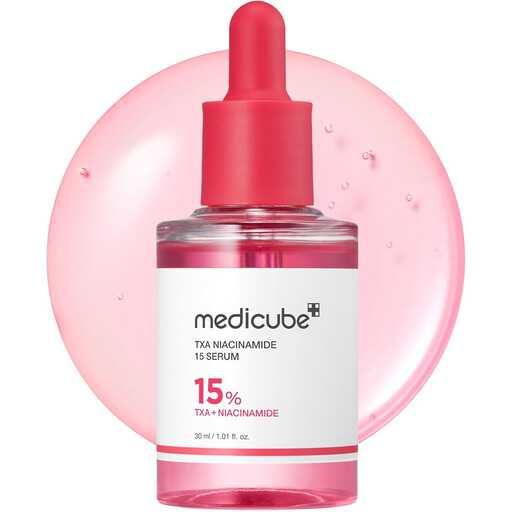
Why it suits this profile: The formula is aimed at users specifically looking for the combination of tranexamic acid and a high niacinamide content.
The product description states that it contains 15% niacinamide and tranexamic acid. This makes the active ingredients easy to verify, but it also means that sensitive skin should be introduced to the product gradually.
30 ml and a lightweight formula with two clearly stated active ingredients for a serum for hyperpigmentation.
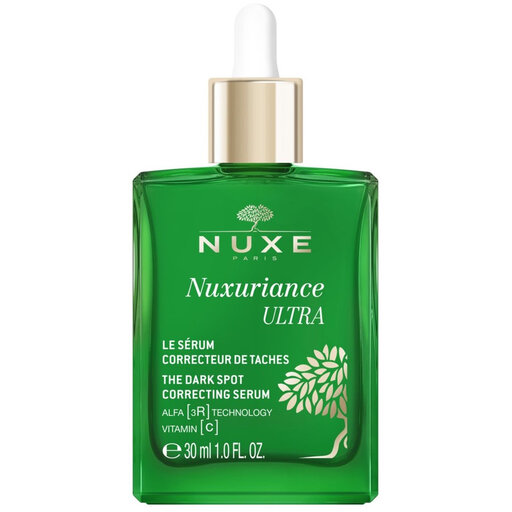
Why it suits this profile: According to the product information, the richer oil-serum texture is suitable for normal, dry and mature skin.
The product details describe the consistency as an oil. This makes it clear in advance that it is not an ultra-light gel that feels the same on every skin type.
30 ml, with niacinamide, a vitamin C derivative, squalane and hyaluronic acid among the ingredients listed.
We have compiled a complete, up-to-date list of products that fully meet these strict selection criteria and the applicable European safety regulations.
Do not use several new active serums at the same time. This makes it easier to assess which product feels comfortable and which formula may be causing irritation.
A cosmetic serum can make skin look hydrated or brighter, but visible changes vary from person to person. The outcome depends on factors including the cause of the spots, skin type, product use and exposure to sunlight. Follow the usage period and claims on the packaging, and do not expect guaranteed results.
Look for a simple formula with hydrating ingredients and check for fragrance, alcohol and exfoliating acids. A product such as MELA Brightening Anti-Spot Serum is marketed for sensitive skin according to the product information. You should still carry out a patch test, as individual reactions are always possible.
This varies from product to product. Check the open-jar symbol, expiry date and storage instructions. Some vitamin C serums require extra protection from heat and light. Vitamin C23, for example, specifies cool storage and a limited period of use after opening. Stop using a serum if its smell, colour or texture changes noticeably.
