
Vandaag of morgen in huis

Kwaliteit gegarandeerd

Welkomstaanbiedingen ontgrendelen: GRATIS bezorging | Tot 80% korting | Gratis 30 dagen JoyPlus-proefperiode
Download de app
Large pores, shine and minor blemishes need more than just a flashy label. A serum for large pores can help your skin look smoother and more even, but pores don’t literally or permanently disappear. The result depends on the formula, your skin type and a consistent routine.
With oily, combination or acne-prone skin in particular, the risk of a bad purchase is high. A highly concentrated serum can be too drying, for example, while a product that’s too rich can leave a greasy layer behind. Below, you’ll find out which features you really need to check and which options suit different situations.
Words like “pore minimising” or “clarifying” don’t mean much on their own. Check the full ingredients list and product information. A face serum for oily skin is more likely to be comfortable to use when the texture is light and the formula doesn’t feel unnecessarily heavy.
Also pay attention to how often you should use it. A serum with exfoliating acids isn’t automatically suitable for daily use, even if the packaging suggests it is.
A niacinamide serum, salicylic acid serum and a product with AHA or PHA can each have a place in a routine. Using them together, however, can cause sensitivity or a tight feeling. Start with one active product and only add a second formula later.
For sensitive skin, a hydrating face serum with ingredients like panthenol, glycerine, hyaluronic acid or centella is often a more logical starting point than an intensive exfoliant.
Oily skin still needs moisture. If you only try to remove sebum, your skin can feel dry or uncomfortable. So choose a light lotion or ampoule that hydrates without leaving an oily residue.
A light serum or ampoule is usually practical for combination or oily skin, especially under sunscreen or make-up. Look for terms like oil-free, gel, lotion or non-sticky essence, but also check the actual ingredients.
A matte finish can be pleasant when you have excess sebum, while a dewy finish is better when your skin feels tight despite shine. “Natural” or “Korean skincare serum” doesn’t automatically say anything about tolerance or suitability.
A pipette is handy for dispensing drop by drop; a pump sometimes limits contact with the formula. Also compare the volume: 15 ml is practical for trying out, while 30 or 50 ml can be more economical for daily use. A 100 ml pack is interesting when you tolerate the product well and the texture fits your routine.
Check the expiry date, the period after opening and the instructions on the packaging. With acids, vitamin C or concentrated formulas, it’s wise to use a sun protection product during the day. If you have sensitive skin, first do a patch test on a small area.
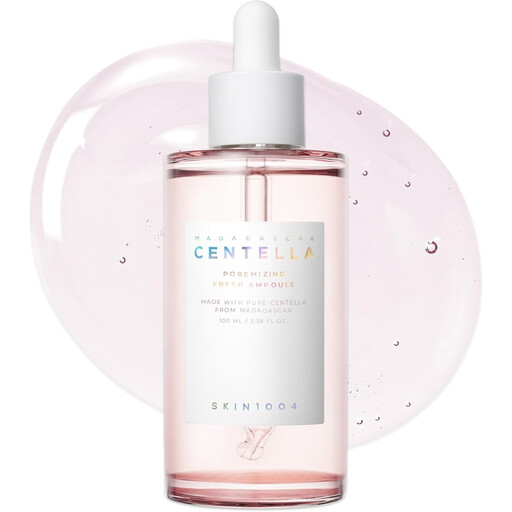
Why this fits the profile: The light ampoule texture and 100 ml volume make this a practical choice for anyone trying a serum for large pores for the first time. According to the product description, it is aimed at oily and combination skin.
The product information mentions a non-greasy, fast-absorbing texture. The ingredients list includes glycerine, panthenol and various forms of hyaluronic acid.
100 ml volume; centella asiatica, panthenol and hyaluronic acid in the stated formula; vegan according to the product information.
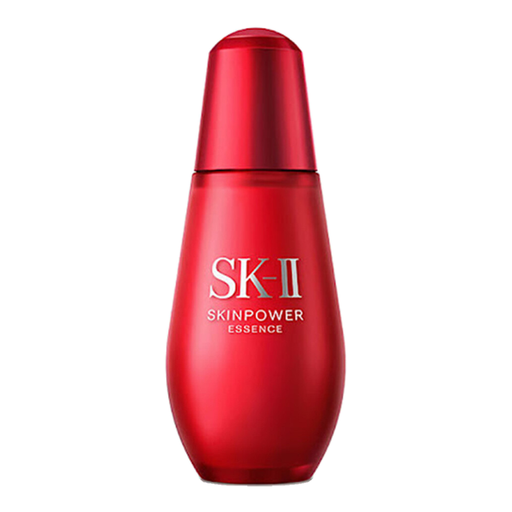
Why this fits the profile: This essence suits anyone who wants to incorporate texture, moisture balance and a refined appearance into their daily routine.
The product description emphasises moisture balance and texture rather than just sebum reduction. This makes it an alternative for those who want to avoid dryness from strong actives.
75 ml volume; Pitera and glycerine are mentioned in the product information; light essence that can be applied under a moisturiser according to the description.
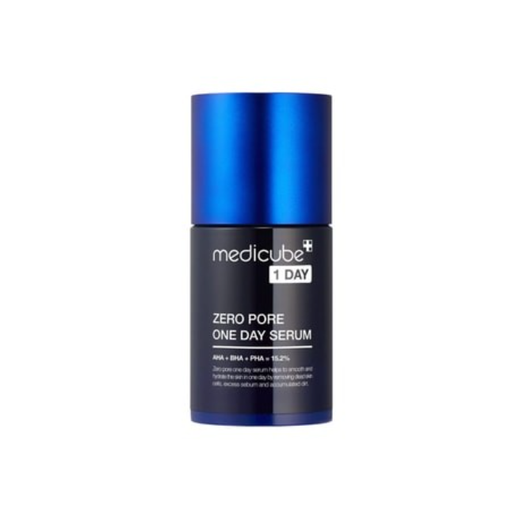
Why this fits the profile: This product is aimed at users who consciously work with exfoliating ingredients and can carefully build up their routine.
The stated formula contains 15.2% AHA, BHA, PHA and niacinamide. Because of this strength, it is especially important not to use multiple exfoliants at the same time and to build up slowly.
Combination of AHA, BHA, PHA and niacinamide; aimed at a refined appearance and sebum control according to the product description.
We’ve put together a full, up-to-date list of products that fully meet these strict selection criteria and comply with current European safety regulations.
A serum usually works gradually. Don’t judge whether a pore-refining serum is suitable after just one application. Pay attention to comfort, shine, dryness and the visibility of imperfections over several weeks. Cosmetic products are not a substitute for treatment by a doctor or dermatologist for persistent skin problems.
A serum can make pores optically less visible by addressing sebum, dryness or uneven texture. Pores themselves don’t disappear permanently. The effect varies per skin type, formula and duration of use.
Look for a light formula with, for example, niacinamide or salicylic acid. A salicylic acid serum can suit clogged pores, while a hydrating face serum is useful when your skin quickly feels tight. Don’t use several strong actives at the same time.
Follow the expiry date and the period after opening on the packaging. Store the serum according to the instructions, usually in a cool place out of direct sunlight. Change product when the smell, colour or texture clearly changes, or if irritation occurs.
