
Vandaag of morgen in huis

Kwaliteit gegarandeerd

Welkomstaanbiedingen ontgrendelen: GRATIS bezorging | Tot 80% korting | Gratis 30 dagen JoyPlus-proefperiode
Download de app
Large pores are often more noticeable on oily or combination skin. Excess sebum, blackheads and an uneven skin texture can make the complexion look less smooth. A serum for large pores can help reduce the appearance of pores, but the right choice depends on the ingredients, texture and your skin type.
Watch out for three common pitfalls:
For oily skin or blackheads, many shoppers look for a serum with salicylic acid. Salicylic acid, also known as BHA, is used in formulas that help cleanse the skin and tackle excess sebum. If you have sensitive skin, start gently and follow the usage instructions on the packaging.
A serum with niacinamide suits those who want to address shine, an uneven complexion and a disrupted skin balance. Niacinamide can be found in products such as The Ordinary Niacinamide 10% + Zinc 1% and NIVEA Derma Skin Clear Serum.
For sensitive or dehydrated skin, a hydrating face serum with glycerin, panthenol, hyaluronic acid or centella extract may be more practical. Hydration prevents a serum for oily skin from feeling uncomfortable.
A lightweight essence-like or watery texture usually absorbs quickly and feels less heavy under sunscreen or make-up. This is relevant for a serum for combination skin, where the T-zone can be oilier than the cheeks.
An oily or honey-like texture isn’t automatically unsuitable, but test the product on a small area first. If you’re prone to a shiny feeling, look for terms such as lightweight, non-sticky or oil-free, provided this information actually appears on the product page or packaging.
Compare the volume: 9, 15, 30, 50 or 100 ml can make a big difference to the price per millilitre. A smaller size is handy for trying out a formula first. Also check:
Claims about effectiveness come from the brand and should not be taken as a guarantee. According to the product description from some brands, certain formulas are dermatologically tested or clinically assessed; always check the current packaging and product information for this.

Why this fits the profile: A compact formula for anyone wanting to try a serum with niacinamide without buying a whole range of active products straight away. The product information states 10% niacinamide and 1% zinc.
The main active ingredients are clearly stated. Do not use this product at the same time as certain vitamin C formulas, according to the product warning provided.
30 ml; niacinamide 10%; zinc 1%; suitable for multiple skin types according to the product information.
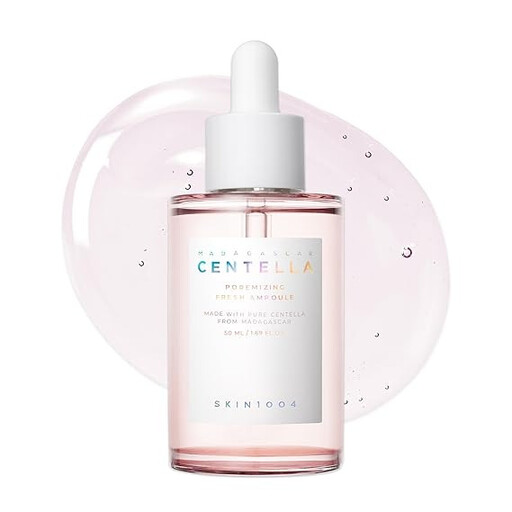
Why this fits the profile: A Korean skincare serum formula with a lightweight texture, centella extract, hyaluronic acid and mineral salts. It suits anyone who wants to care for pores while also looking for a comfortable, hydrating serum.
According to the description, the watery texture prevents a sticky or greasy feeling on the skin. Check the current packaging for the most up-to-date ingredient information.
50 ml; three forms of hyaluronic acid stated; vegan and cruelty-free according to the product information.
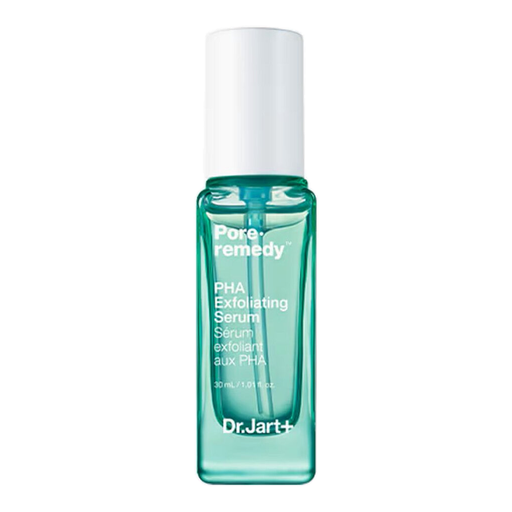
Why this fits the profile: For users who are specifically looking for an exfoliating serum with PHA. The product description states 7% PHA, panthenol and a usage recommendation of 2 to 3 pumps on clean skin.
The formula states the percentage of PHA and includes warnings to avoid contact with the eyes and use on damaged skin.
7% PHA according to the product description; stated as fragrance-free and alcohol-free; 30 ml.
We’ve put together a full, up-to-date list of products that fully meet these strict selection criteria and comply with current European safety regulations.
Apply a serum after cleansing and, if you use one, after toner, but before moisturiser. Use a few drops or the amount stated on the label. A serum for impurities or a formula with acids should ideally be introduced gradually. Don’t combine multiple exfoliating products straight away.
During the day, sunscreen should be part of any routine that includes AHA, BHA, PHA or azelaic acid. Stop if you experience persistent redness, itching or a burning sensation, and check the safety information. For serious or recurring skin concerns, it’s wiser to seek advice from a doctor or pharmacist rather than trying yet another serum.
No. The appearance of pores can vary depending on sebum, moisture balance and skin texture. According to the product description, a serum can help promote a smoother-looking complexion, but the result depends on your skin type, how you use it and the formula.
This varies by formula. Follow the label and, if you have sensitive skin, start with a lower frequency. Don’t combine it with other acids or intensive exfoliants without preparation.
Often yes, but pay attention to the texture and apply it only to the oilier T-zone if needed. For drier areas, choose a hydrating face serum or use a simple moisturiser to prevent a tight feeling.
