
Vandaag of morgen in huis

Kwaliteit gegarandeerd

Welkomstaanbiedingen ontgrendelen: GRATIS bezorging | Tot 80% korting | Gratis 30 dagen JoyPlus-proefperiode
Download de app
Visible pores won’t literally disappear with a single skincare product. However, a suitable serum for large pores can optically refine skin texture, help limit excess sebum, or better hydrate the skin. The difference lies mainly in the formula and how you use the product.
Many shoppers buy too quickly based on a striking claim. So look out for these three common pitfalls:
For a serum for visible pores or a pore-refining serum, the following ingredients are practical to compare:
A serum for oily skin may feel light, but that doesn’t mean you should apply it endlessly. Look at:
Use a broad-spectrum sunscreen during the day, especially when the formula contains acids, vitamin C derivatives or other active ingredients. Test a new product on a small area of skin first. Stop if you experience persistent redness, itching, swelling or a burning sensation, and seek advice from a doctor or dermatologist if you have concerns.
A name like “pore shot”, “glass skin” or “overnight refinement” says little about its suitability for your skin. Check the ingredients list, volume and instructions on the packaging. Brand claims about absorption, skin improvement or visible results are not established facts. For instance, certain results with Medicube and other brands are described according to the brand’s own research or product information; they don’t automatically apply to every user.
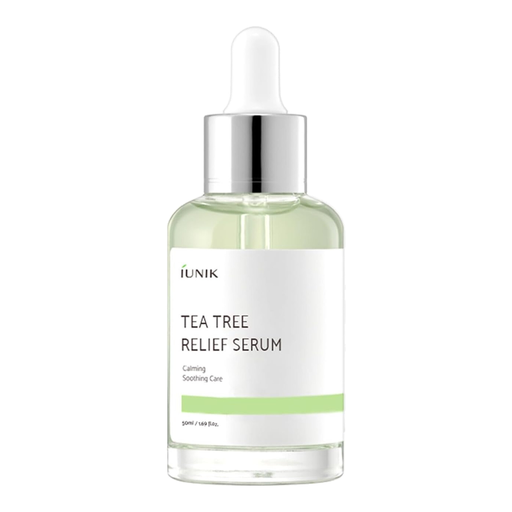
Why this fits the profile: A 50ml size and a formula with tea tree and centella suit anyone looking for a simple serum for acne and blemishes.
The product information specifies the amount of tea tree and centella clearly, so you don’t have to rely solely on the name “relief”.
67% tea tree leaf water according to the product description; 50ml volume; lightweight care for a troubled-feeling complexion.
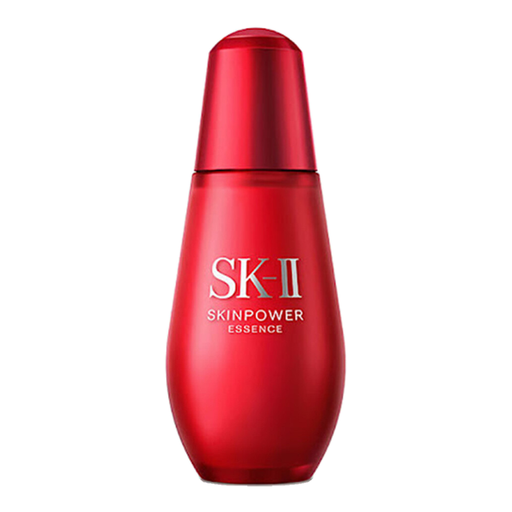
Why this fits the profile: This is a generous 75ml essence for those who want to combine texture, radiance and moisture balance in their daily routine.
The described routine and ingredients are clearly stated. Do note the presence of fragrance in the ingredients list if you are sensitive to it.
75ml volume; Pitera, glycerine and other listed ingredients; use after cleansing and toning.
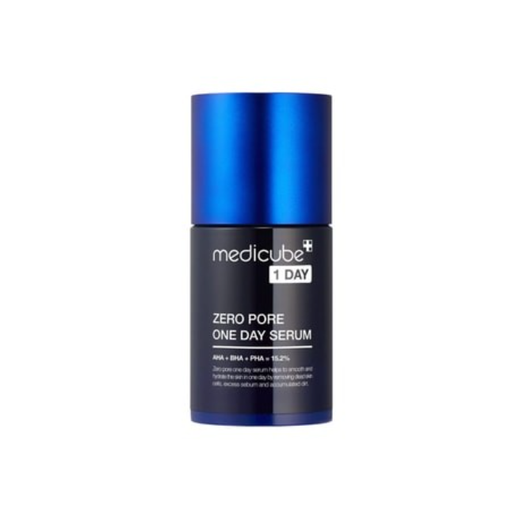
Why this fits the profile: Suitable for users who consciously seek an exfoliating serum and are willing to build up the frequency carefully.
The combination of AHA, BHA and PHA is clearly specified. Also, do not use multiple strong exfoliants at the same time without first letting your skin adjust.
15.2% AHA+BHA+PHA according to the product description; niacinamide; targets a smoother appearance and sebum balance.
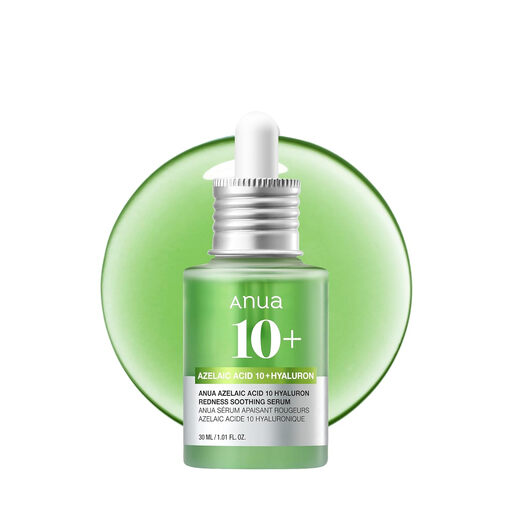
Why this fits the profile: An option for those who want to address visible pores while also tackling redness, hydration and blemishes.
The instructions recommend a gentle introduction starting at one to two times per week. This prevents you from using too many active ingredients straight away.
10% azelaic acid; hyaluronic acid, panthenol and ceramide NP in the ingredients list; 30ml volume.
We’ve put together a full, up-to-date list of products that fully meet these strict selection criteria and comply with current European safety regulations.
Don’t combine several strong serums at the beginning. For example, don’t use an intensive acid serum, a high-dose niacinamide serum and a retinoid on the same evening. Give your skin a few weeks to get used to one new product.
No. A serum can temporarily or gradually reduce the visibility of pores by better hydrating the skin, helping to regulate sebum, or making the texture appear smoother. The effect depends on skin type, routine and consistent use.
That varies per formula. A hydrating serum can often be used daily according to the label. With AHA, BHA, PHA or 10% azelaic acid, it’s wiser to start low and only increase when your skin remains comfortable.
Look for lightweight formulas with, for example, niacinamide, tea tree or exfoliating acids. If you also have redness or a tight feeling, choose a formula with hydrating and soothing ingredients such as panthenol, centella or hyaluronic acid. Always check the current ingredients list on the packaging.
