
Vandaag of morgen in huis

Kwaliteit gegarandeerd

Welkomstaanbiedingen ontgrendelen: GRATIS bezorging | Tot 80% korting | Gratis 30 dagen JoyPlus-proefperiode
Download de app
A serum for glowing skin can help you tailor your routine more precisely, but not every product featuring the words “glow”, “brightening” or “radiance” is right for every skin type. Dry skin needs different ingredients from sensitive skin, while a serum for pigmentation does not serve the same purpose as a body serum for stretch marks.
The biggest buying mistakes usually stem from three pitfalls:
Decide whether you are mainly looking for hydration, a more even appearance or care for a specific area.
A serum for an even complexion is no substitute for daily sun protection. If you use ingredients that provide intensive care or exfoliate the skin, it is wise to apply a suitable sunscreen during the day.
You should not assess a serum for sensitive skin based on the label alone. Check the ingredients list and look out for:
“Dermatologically tested”, vegan and fragrance-free are verifiable product features, but they do not mean that a product will work without problems for everyone. Test a new product on a small area of skin first and stop using it if irritation persists. Avoid contact with the eyes and always follow the packaging instructions.
A watery serum will generally absorb quickly and work well under a cream. An oil or balm texture may feel more comfortable on dry skin, but could feel heavier.
Also check the volume: 15, 20, 30 or 40 ml may seem broadly comparable, but the number of drops you use each day determines how long a bottle will last. A pipette helps prevent waste when you only need a few drops. Body products often come in larger sizes because you apply them to larger areas of skin.
Apply a serum to clean skin and follow with a moisturiser when the product instructions recommend it. Do not combine several highly active products at the same time if you do not yet know how your skin will react.
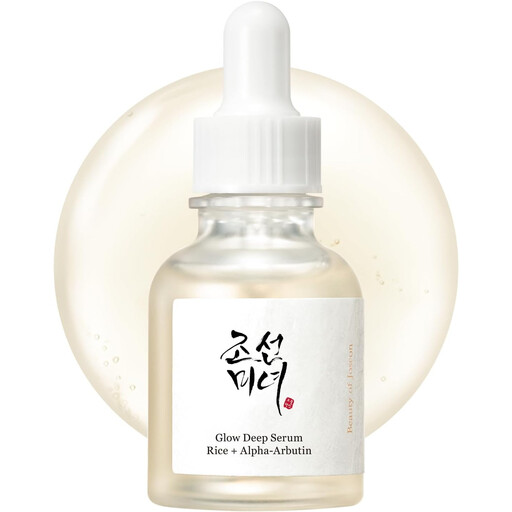
Why it suits this profile: The lightweight formula combines a simple routine with a clear focus on hydration and an uneven complexion. This makes it an accessible Korean skincare serum for anyone using a face serum for the first time.
The ingredients list states the concentration of alpha-arbutin and rice bran water, so you do not have to rely on the word “glow” alone.
30 ml; 2% alpha-arbutin; glycerine, niacinamide and panthenol; according to the product details, fragrance-free and alcohol-free.
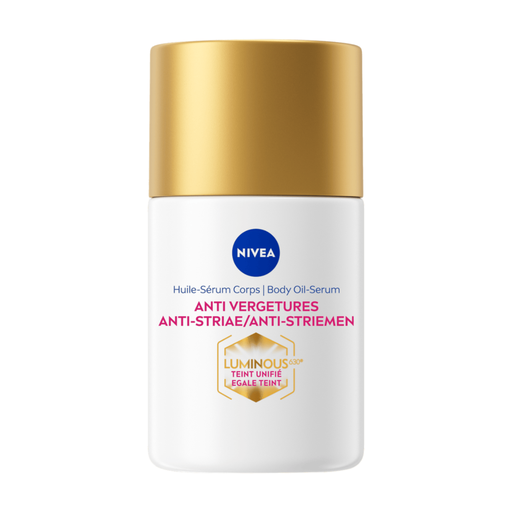
Why it suits this profile: This body serum for stretch marks is intended for daily use on specific areas of the body, for example changes caused by pregnancy, hormones or weight fluctuations.
The application method, 100 ml volume and daily massage instructions are clearly described. According to NIVEA’s product information, initial visible results may be possible after 2 weeks; this remains a brand claim.
Oil serum for the body; according to the product description, hydration for up to 48 hours; contains fragrance, so check your tolerance beforehand.
We have put together a complete, up-to-date list of products that fully meet these strict selection criteria and the applicable European safety regulations.
Look for a formula with hydrating ingredients and, if desired, vitamin C or niacinamide. A vitamin C serum can fit into a routine designed to create a brighter-looking complexion, but also check for fragrance, alcohol and acids. Start with one active product at a time.
Cleanse your face, apply a few drops as directed on the packaging and then use a moisturiser if recommended. During the day, sun protection should be part of any routine focused on an even complexion. Do not apply the serum directly to your eyes, and do not automatically use a body product on your face.
This depends on the volume and the number of drops used per application. A 30 ml bottle will generally last longer with daily use than a 15 ml version, but the exact usage time varies. Store the product according to the packaging instructions, close the lid securely and check the expiry information. A self-tan product for the body, such as a booster, also has a different purpose from a hydrating serum and should be mixed or applied according to the instructions.
