
Vandaag of morgen in huis

Kwaliteit gegarandeerd

Welkomstaanbiedingen ontgrendelen: GRATIS bezorging | Tot 80% korting | Gratis 30 dagen JoyPlus-proefperiode
Download de app
Dark spots, a dull complexion and uneven-looking skin can have various causes. These include sun exposure, marks left after blemishes or skin that is temporarily out of balance. A serum for dark spots can be a targeted step in your routine, but only if you look beyond words such as “glow”, “brightening” or “intensive”.
A formula with a high percentage of vitamin C, niacinamide or tranexamic acid may sound appealing, but that does not tell you everything about whether it is suitable for your skin. A high concentration may work well for some users, while sensitive or dry skin may benefit from a gentler formula.
Look out for:
For example, according to the product information, Vitamin C23 contains 23% ascorbic acid. This is a clearly verifiable specification, but the brand also recommends a patch test, cool storage and use within two months of opening to help preserve the formula.
According to the product description, a cosmetic serum can help the skin look more even and radiant. This is different from medically treating melasma, scars or a skin condition. You should therefore view brands’ claims about reducing dark spots as manufacturer-provided product information, not as a guaranteed result.
For persistent, changing or noticeable marks, seek professional advice. Stop using the product if you experience persistent redness, itching, swelling or a burning sensation.
A serum for pigmentation does not work well as part of a routine without daily sun protection. According to the usage information, formulas containing vitamin C, acids or other active ingredients may require extra care regarding sun exposure. During the day, use a sun protection product with an appropriate SPF and follow the instructions on the label.
Niacinamide is found in many Korean skincare serums. The ingredient is often combined with hydrating components, making it a practical choice for anyone looking for an even complexion serum. However, check the percentage and the rest of the INCI list. A product containing niacinamide may also include fragrance, essential oils or other ingredients that are not suitable for every sensitive skin type.
According to the product information, the Beauty of Joseon Glow Deep Serum contains 2% alpha-arbutin, niacinamide and rice bran water. The formula is described as hydrating and designed for a dull, uneven complexion.
A vitamin C serum may contain ascorbic acid or a derivative such as 3-O-ethyl ascorbic acid, ascorbyl glucoside or magnesium ascorbyl phosphate. Pure ascorbic acid is not automatically the most suitable option. Derivatives are often chosen for their different formulation properties and user experience.
Dr. Althea Gentle Vitamin C Serum lists vitamin C, niacinamide and sea buckthorn fruit extract. According to the product description, the serum is free from fragrance and colourants and is designed for sensitive skin. Always check the current packaging, as the ingredient list is the definitive source.
A tranexamic acid serum is worth considering if you want to combine several ingredients in one routine. Medicube TXA NIACINAMIDE 15 SERUM lists 15% niacinamide and tranexamic acid. According to the ingredient list, SKIN1004 Madagascar Centella Tone Brightening Capsule Ampoule combines niacinamide, tranexamic acid, centella and a vitamin C derivative.
However, using more active ingredients means you should introduce the routine gradually. Start with a small amount and avoid using several strong treatments at the same time until you know how your skin reacts.
The packaging and volume also help determine whether a serum is practical. Look out for:
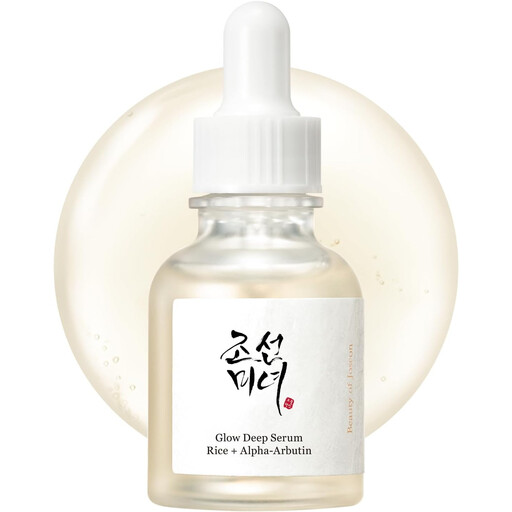
Why it suits this profile: The 30 ml volume and lightweight, hydrating texture make this a straightforward choice for anyone trying a serum for dark spots for the first time.
The product information specifically states 2% alpha-arbutin, rather than making only a general glow promise.
30 ml, 2% alpha-arbutin, niacinamide and, according to the product information, free from alcohol and fragrance.
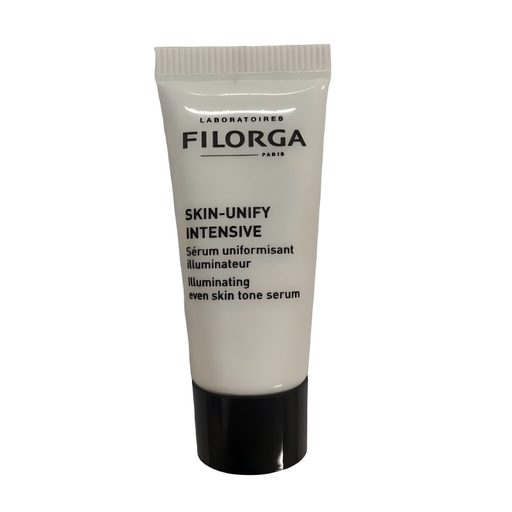
Why it suits this profile: A compact formula for anyone looking to add targeted treatment to an existing skincare routine.
The full ingredient list is available, allowing you to check for fragrance, liquorice extract, vitamin C derivatives and hyaluronic acid, among other ingredients.
7 ml, vegan according to the product information and described as dermatologically tested.
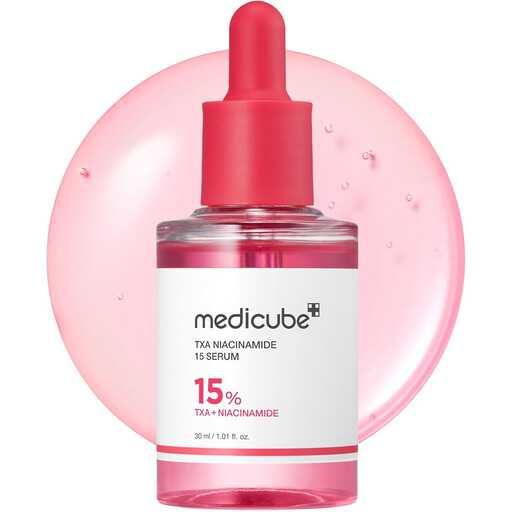
Why it suits this profile: Suitable for anyone specifically looking for a serum for hyperpigmentation with a clearly stated combination of active ingredients.
The product description states 15% niacinamide and tranexamic acid. This allows you to compare the formula directly with other options.
30 ml and a lightweight formula, according to the product description, designed for an uneven complexion.

Why it suits this profile: The product description mentions a watery, non-sticky texture and a formula without fragrance or colourants.
You do not automatically have to choose a high percentage of pure vitamin C; this formula uses vitamin C alongside niacinamide and hydrating ingredients.
30 ml, vegan according to the product description and designed for daily use.
We have put together a complete, up-to-date list of products that fully meet these strict selection criteria and the applicable European safety regulations.
A serum for radiant skin is most practical when you keep your routine simple. For example, alternate a vitamin C serum with a niacinamide serum if your skin reacts easily. For dry skin, glycerine, squalane, panthenol or hyaluronic acid are useful additional ingredients. Blemish-prone skin may benefit from a lightweight texture, but also check whether the product contains fragrance, oils or salicylic acid.
This varies depending on the product, skin type and cause of the discolouration. Check the usage instructions and give your routine time to take effect. Daily sun protection and consistent use are more important than constantly switching products. A cosmetic product does not offer guaranteed results.
This is possible in many routines, but tolerance varies from person to person and between formulas. Start by using one active product at a time. For example, use vitamin C in the morning and niacinamide in the evening, or introduce both gradually. Stop if you experience persistent irritation and always check the current ingredient list.
A Korean skincare serum is not automatically suitable or unsuitable for sensitive skin. Look at the fragrance, essential oils, acids, type of vitamin C, concentrations and warnings. A patch test is still advisable, even for a product described as gentle or suitable for all skin types.
