
Vandaag of morgen in huis

Kwaliteit gegarandeerd

Welkomstaanbiedingen ontgrendelen: GRATIS bezorging | Tot 80% korting | Gratis 30 dagen JoyPlus-proefperiode
Download de app
Dark spots, pigmentation and post-acne marks can be caused by sunlight, hormonal changes or previous blemishes. A serum for dark spots can be a targeted step in your skincare routine, but not every product suits every skin type. The packaging often promises an even complexion, an instant glow or visible correction. So focus on the ingredients, texture and directions for use.
Terms such as “radiant”, “correcting” and “visible results” often describe how a brand positions its product. They don’t mean that every user will get the same effect. NIVEA reports that some LUMINOUS630 products deliver results after a certain number of weeks, based on its own research; this is not a guarantee for every skin type.
So look for verifiable information, such as the ingredients list, product size and suitability for a particular skin type. A serum for a more even complexion is not a substitute for sun protection.
A vitamin C serum, niacinamide serum, AHA or BHA exfoliant and retinol product can all have a place in your routine. But combining several powerful formulas straight away may leave your skin feeling dry or irritated. It’s better to start with one serum for hyperpigmentation and gradually build up how often you use it.
“Brightening” can refer to different effects: hydration, a smoother skin surface, a fresh-looking finish or help with an uneven complexion. So check whether you’re looking for a hydrating face serum, a serum for dark spots or a product aimed specifically at acne-prone skin.
Ingredients commonly used in anti-pigmentation serums include:
Don’t just look at the marketing name. Check the full ingredients list, and also look out for fragrance, alcohol denat. or essential oils if your skin tends to react to them.
A lightweight gel or ampoule texture may feel comfortable on oily, normal or combination skin, and layer easily under a moisturiser. A richer formula with squalane, shea butter or oils may be better suited to dry or mature skin.
If you have sensitive skin, it’s a good idea to try a small amount on a limited area first. Stop using the product if redness, itching or a burning sensation persists, and follow the warnings on the packaging.
A 30 ml serum is compact and handy for trying a product out first. A 50 or 100 ml bottle may be more practical if you use it every day. Check the expiry information and the period after opening on the packaging.
During the day, use a broad-spectrum sunscreen according to the product directions. This is particularly important with formulas containing vitamin C derivatives, AHA or other ingredients for which the manufacturer recommends extra sun protection. A serum on its own won’t prevent new discolouration from appearing.
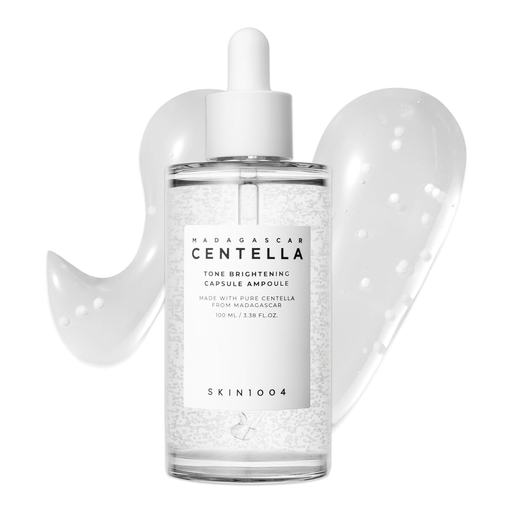
Why it suits this profile: The 100 ml size is practical for everyday use if you’re looking for a lightweight Korean skincare serum texture that focuses on hydration and an uneven complexion.
The ingredients list is clearly provided. The formula contains niacinamide, tranexamic acid, glycerine, panthenol and a vitamin C derivative, rather than relying on a vague brightening claim.
100 ml size; lightweight, fast-absorbing texture according to the product description; suitable for use under a moisturiser.
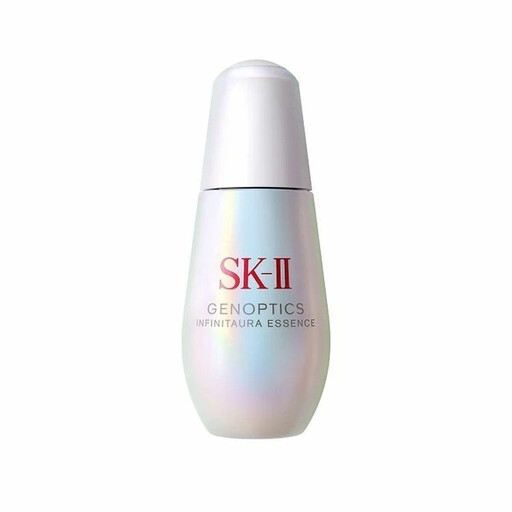
Why it suits this profile: If you value a concentrated formula and a luxury positioning, you may want to consider this essence-serum for your regular routine.
The product information lists the serum type, 50 ml size and the active ingredients PITERA, niacinamide and bisabolol. Always check the current packaging and ingredients list.
50 ml size; designed as a concentrated formula; can be applied under a moisturiser, according to the product description.
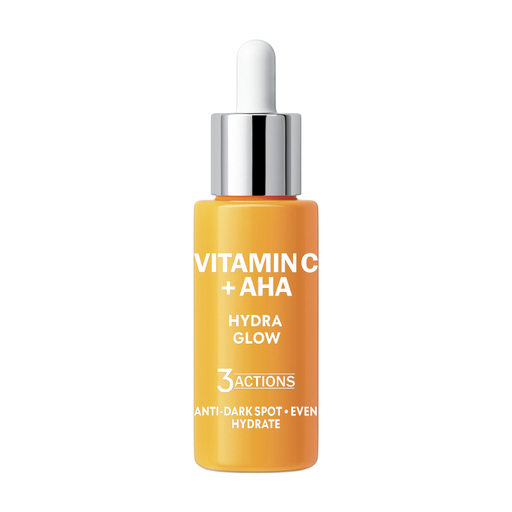
Why it suits this profile: This is a good fit for users looking for a vitamin C serum with AHA and niacinamide who are prepared to build their routine up carefully.
The product information mentions AHA and warns that it may increase sensitivity to sunlight. This makes it clear that daily UV protection and gradual use are important.
40 ml size; contains niacinamide, lactic acid and a vitamin C derivative; lightweight, non-greasy texture according to the product description.
We’ve put together a complete, up-to-date list of products that meet these strict selection criteria and the applicable European safety regulations.
Don’t expect an immediate change. How visible dark spots are depends on factors such as their cause, how your skin reacts and your daily exposure to sunlight. If spots are persistent or changing, it’s wiser to ask your GP or a dermatologist for advice than to keep trying new cosmetic products.
Look for a short, easy-to-understand ingredients list and choose a formula without ingredients you know your skin reacts to. A product containing glycerine, panthenol or centella may feel comfortable, but these ingredients can’t guarantee that your skin will tolerate the product. Test it on a small area first.
That depends on the formula. A serum with niacinamide or hydrating ingredients is often easier to fit into a daily routine than a product with AHA, BHA or several active ingredients. Follow the directions for use and reduce how often you apply it if irritation occurs.
That depends on the size and how much you use each time. If you apply a few drops a day, a 30 ml bottle will generally run out sooner than a 50 or 100 ml ampoule. Close the bottle tightly, store it according to the label and check the expiry information on the packaging.
